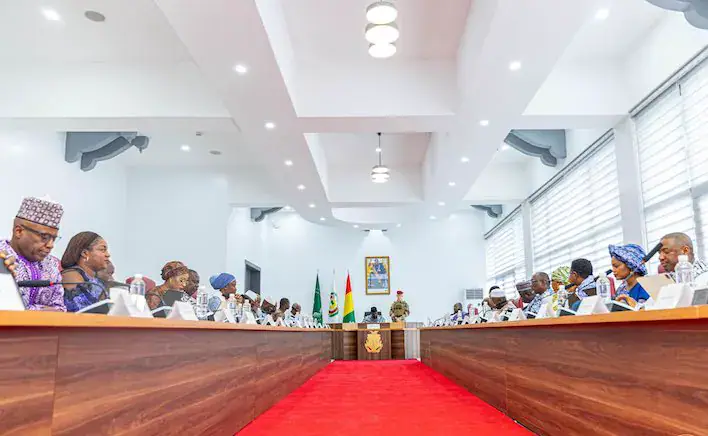
The Guinean government has revised its economic growth forecast downward from 9.5% to 8.6% in its 2026 revised budget bill. This adjustment is attributed to a challenging global economic environment, marked by geopolitical tensions, rising commodity prices, and tighter international financing conditions. The government cites the degradation of the international economic context as a primary factor influencing this decision.
The government's economic team, led by the Ministry of Economy, Finance, and Budget, points to the ongoing uncertainties in global economic prospects, particularly due to tensions in the Middle East. These tensions are said to pose significant risks to the global economy, contributing to higher prices for several commodities and resurgence of inflationary pressures. The situation has led to a tightening of financing conditions on international markets and disruptions in trade.
A key factor in the government's revised projections is the increase in energy and raw material prices. The prices of oil, gas, fertilizers, and food products have all seen significant increases. These developments, combined with stricter access to external financing, pose considerable risks to the economies of the region, according to the government.
In light of these challenges, the Guinean government has made several budgetary adjustments. The average exchange rate used in the new projections has been revised to 8,710 Guinean francs per US dollar. The government aims to mitigate the impact of these economic shocks through targeted measures.
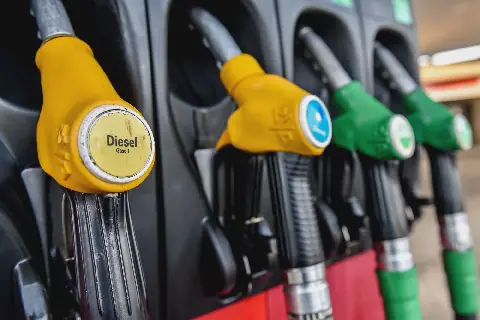
One of the key measures announced is a provision of 913 billion Guinean francs to subsidize the stabilization of petroleum product prices. This move is designed to cushion the impact of rising oil prices on the domestic economy. The government has also committed to absorbing losses in revenue to maintain the price of fuel at the pump at 12,000 Guinean francs.
The revised budget bill reflects the government's efforts to navigate the complex global economic landscape while maintaining economic stability at home. The adjustments underscore the challenges faced by Guinea and other countries in the region in managing external shocks.
The government's proactive measures aim to safeguard the country's economic progress and ensure that growth remains resilient despite global headwinds. The implementation of these measures and their impact on the economy will be closely watched by stakeholders.
Key points
- Guinea's economic growth forecast has been downgraded to 8.6% for 2026.
- The inflation forecast has been revised upward to 5.2%.
- The government has allocated 913 billion Guinean francs to subsidize petroleum product prices.