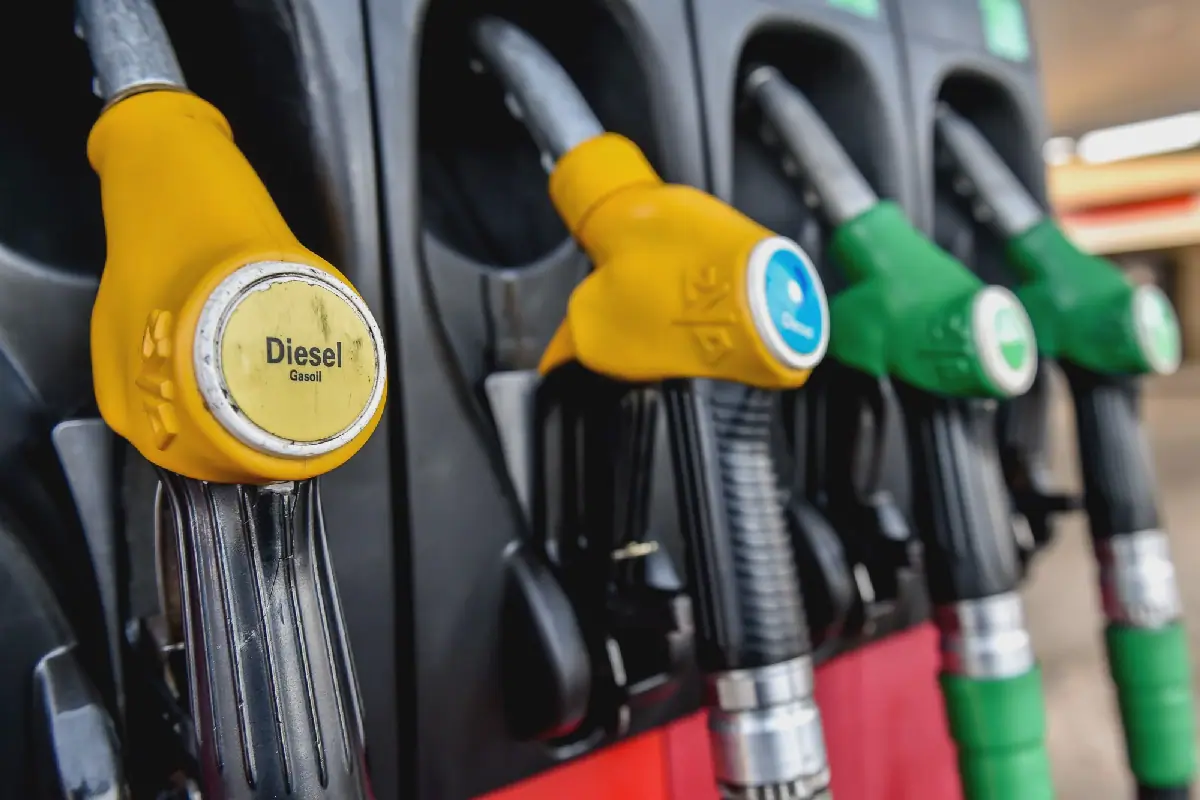
The Moroccan government has created an inter-ministerial committee to monitor fuel price fluctuations and their impact on the economy. This move comes as the price of diesel fuel has risen to over 17 dirhams per liter, sparking concerns about the potential effects on inflation and the cost of living. The committee, which will meet regularly, aims to ensure the stability of the market and protect the purchasing power of citizens.
The government has also extended its exceptional direct support for road transport professionals, providing an additional 15-day allocation to help mitigate the impact of international market disturbances on the local economy. However, transport professionals have expressed concerns that this support is insufficient and that its disbursement is often delayed. They argue that the aid does not necessarily translate into lower transport rates or prices for essential goods.
The recent increase in fuel prices has sparked widespread discontent among Moroccans, particularly those in lower- and middle-income households who bear the brunt of rising costs. The government has assured citizens that protecting purchasing power and maintaining social cohesion are top priorities. The authorities have pledged to take concrete and tangible measures to alleviate the effects of inflation on daily life and ensure a stable supply of essential goods.
Finance Minister Fouzi Lekjaa has stated that the government will not impose price controls on fuel or return to the subsidy system, which would cost the state budget between 50 and 70 billion dirhams. Lekjaa emphasized that any reduction in taxes on fuel should have a tangible impact on consumer prices. He also highlighted the need for a thorough discussion on the future of the Samir refinery, which requires significant investment to remain competitive.
The government's decision to raise taxes on companies operating in the fuel sector has sparked concerns about the potential impact on the industry and the economy. The minister stressed that the state must be transparent with citizens about the challenges facing the economy. The recent fluctuations in fuel prices have underscored the need for a comprehensive strategy to address the root causes of inflation and ensure energy security.
Transport professionals and citizens have expressed concerns about the impact of rising fuel prices on their livelihoods and daily expenses. They argue that the government's support measures are insufficient and that more needs to be done to mitigate the effects of inflation. The authorities have assured citizens that they are committed to finding solutions to alleviate the suffering of those affected by rising costs.
The government faces pressure to address the concerns of citizens and find a balance between protecting purchasing power and maintaining economic stability. The inter-ministerial committee's efforts to monitor fuel price fluctuations and implement measures to mitigate their impact will be closely watched by citizens and economic stakeholders. The government's response will likely have a significant impact on the country's economic trajectory and social cohesion.
Key points
- The Moroccan government has established an inter-ministerial committee to monitor fuel price fluctuations and their impact on the economy.
- The government has extended its exceptional direct support for road transport professionals to help mitigate the impact of international market disturbances.
- Finance Minister Fouzi Lekjaa has stated that the government will not impose price controls on fuel or return to the subsidy system.