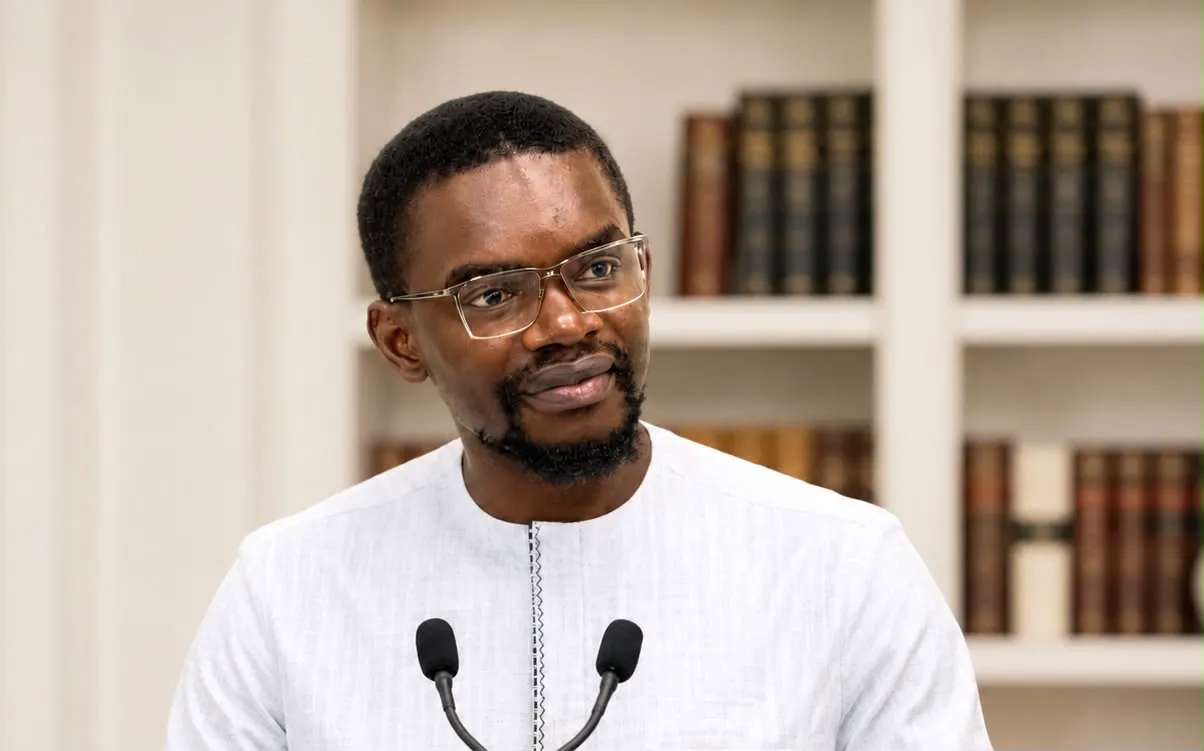
In a recent article, Dr. Karamo Kaba, a Guinean writer, teacher, and republican, expressed his views on the concept of sovereignty and democracy. He argues that imposing a political model on another nation is a questionable approach, citing examples of countries like Libya, Iraq, and Sudan, where external intervention led to instability and conflict. Dr. Kaba emphasizes that democracy should be an expression of the will of the people, allowing each nation to build its institutions according to its history, culture, and social realities.
Dr. Kaba criticizes the notion that African countries should emulate Western nations, highlighting their distinct histories, trajectories, and values. He asserts that Guineans, like other nations, have the right to think for themselves, make their own choices, and construct their own governance model. The respect for sovereignty, he stresses, is non-negotiable. This perspective comes at a time when some media outlets have been criticized for their perceived bias in reporting on African nations.
The article also touches on the sensitive topic of media relations and press freedom. Dr. Kaba notes that while media outlets have the right to criticize governments, insulting the values of a nation's institutions is a misstep. He commends Guinean President Mamadi Doumbouya for standing up to French journalists who allegedly disrespected the country's sovereignty. This exchange highlights the complexities of international relations, press freedom, and national dignity.
Dr. Kaba's article is a reflection of Guinea's unique history, where the concept of national sovereignty has played a significant role in shaping the country's politics. From independence to the present day, the nation has grappled with the balance between internal self-determination and external influences. The author's message is clear: Guinea, like other nations, should be allowed to determine its own future without external diktats.
The call for self-determination and sovereignty resonates with the broader debate on global governance and international relations. Dr. Kaba's assertion that nations should be free to choose their own path, without fear of external judgment or intervention, is a perspective that warrants consideration. As the world navigates complex issues of global cooperation and national autonomy, voices like Dr. Kaba's offer valuable insights into the challenges and opportunities of our time.
The article concludes with a message of appreciation for President Doumbouya's stance on sovereignty and national dignity. Dr. Kaba sees the President's response as a vital lesson in the limits of free expression and the importance of respecting national institutions. The issue has sparked a necessary conversation about the intersection of international relations, press freedom, and national sovereignty.
Ultimately, Dr. Kaba's article serves as a reminder that the concept of democracy and governance is multifaceted and context-dependent. As nations navigate their unique histories, cultures, and social realities, the international community must adapt to a more nuanced understanding of sovereignty and self-determination. By engaging with diverse perspectives like Dr. Kaba's, we can foster a more inclusive and informed discussion on global governance and the future of international relations.
Key points
- Dr. Karamo Kaba advocates for the importance of sovereignty and self-determination in governance, arguing that democracy should be an expression of a nation's will, not imposed by external forces.