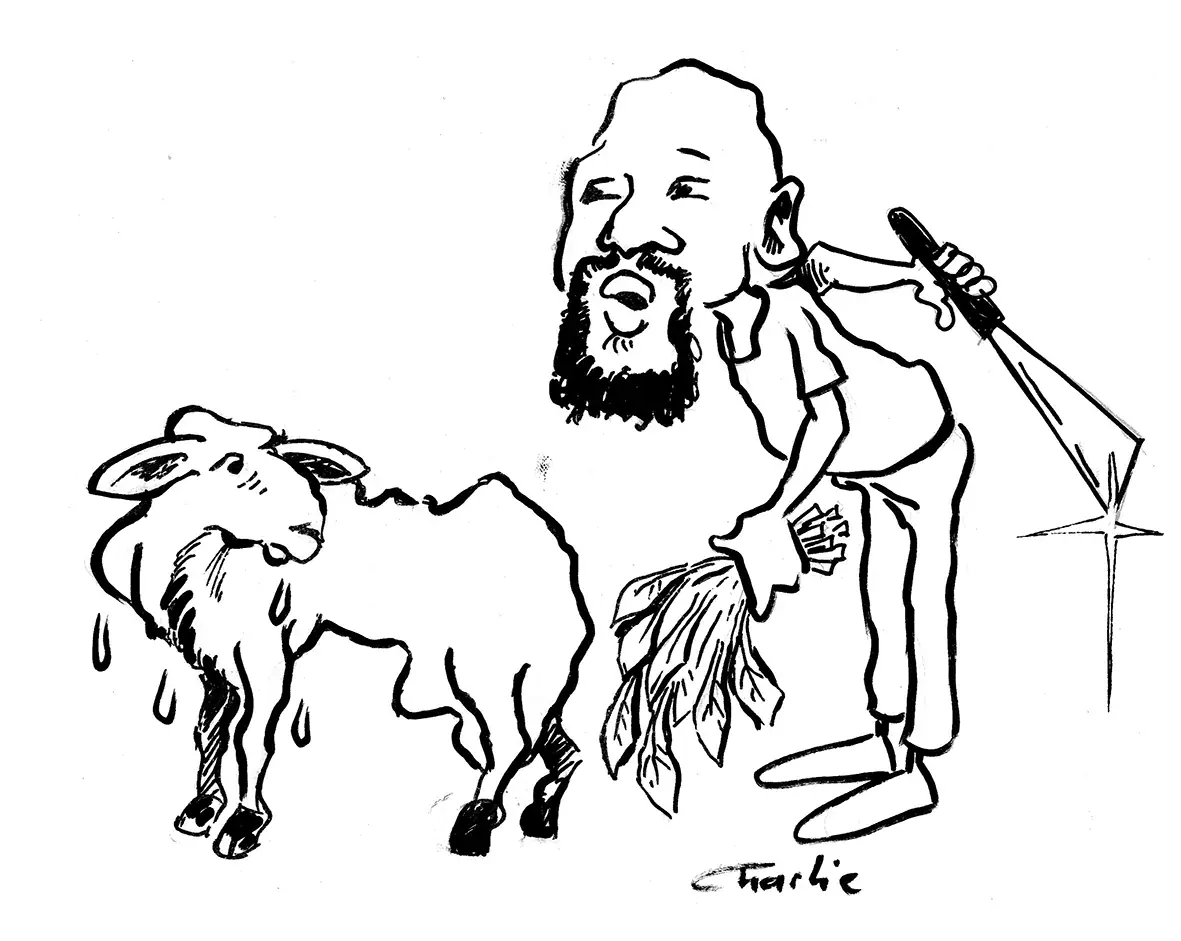
The recent Simandou Mining Summit 2026 in Guinea has brought together investors and government officials to discuss the country's development plans, with a focus on transforming the nation's mining sector. The summit aims to accelerate Guinea's growth through investments in infrastructure, including roads and ports, and the creation of jobs. However, some critics argue that the country's development progress has been slow, with many questioning the effectiveness of such events in bringing tangible benefits to the population.
The Guinean government has been promoting the idea that the country is making progress, but many citizens remain skeptical. As one local noted, "The Republic is moving, but by how much?" The government's response has been that progress is being made, but it will take time to materialize. This has led to frustration among some, who feel that the country's development has been promised for years, but little has changed on the ground.
Meanwhile, artisanal miners have been expelled from gold mining areas, with the government citing the need for more formalized and regulated mining practices. However, some of those affected have expressed concerns about being forced to leave their livelihoods behind, with one miner stating, "I'm being chased away from the mine, but I'm being told to be patient for development. Where am I supposed to be patient?"
The issue of mining has also led to tensions in some areas, including Bouré-Balato in Siguiri, where a recent manifestation resulted in deaths, injuries, and property damage. The government has responded with condolences, but some have criticized the authorities for prioritizing economic interests over human lives. As one local noted, "When we count the material damage faster than the bodies, it's clear that our arithmetic has its preferences."
The country's judicial system has also come under scrutiny, particularly with regards to the Crief, which has been accused of making arrests without clear charges. The organization's prosecutor, Charles Wright, has defended the practice, stating that arrests are made and charges are determined later. However, this has raised concerns about the rule of law and the protection of human rights in Guinea.
Despite these challenges, the Guinean government remains optimistic about the country's development prospects, with investors being presented with major projects to accelerate growth. However, many citizens remain cautious, with one local stating, "I want to believe that our development is coming, but I'm not sure if I should be celebrating or worried." The country's development progress remains a topic of debate, with many questioning whether the government's promises will translate into tangible benefits for the population.
As Guinea continues to navigate its development path, the government faces the challenge of balancing economic growth with social and environmental concerns. With the country's mining sector playing a significant role in its development plans, it remains to be seen whether the benefits of growth will be shared equitably among the population. For now, many Guineans remain skeptical, with one local stating, "The only thing that is certain is that our precariousness has a permanent address."
Key points
- The Guinean government is under scrutiny over its development progress, with many questioning the effectiveness of the Simandou Mining Summit 2026 in bringing tangible benefits to the population.