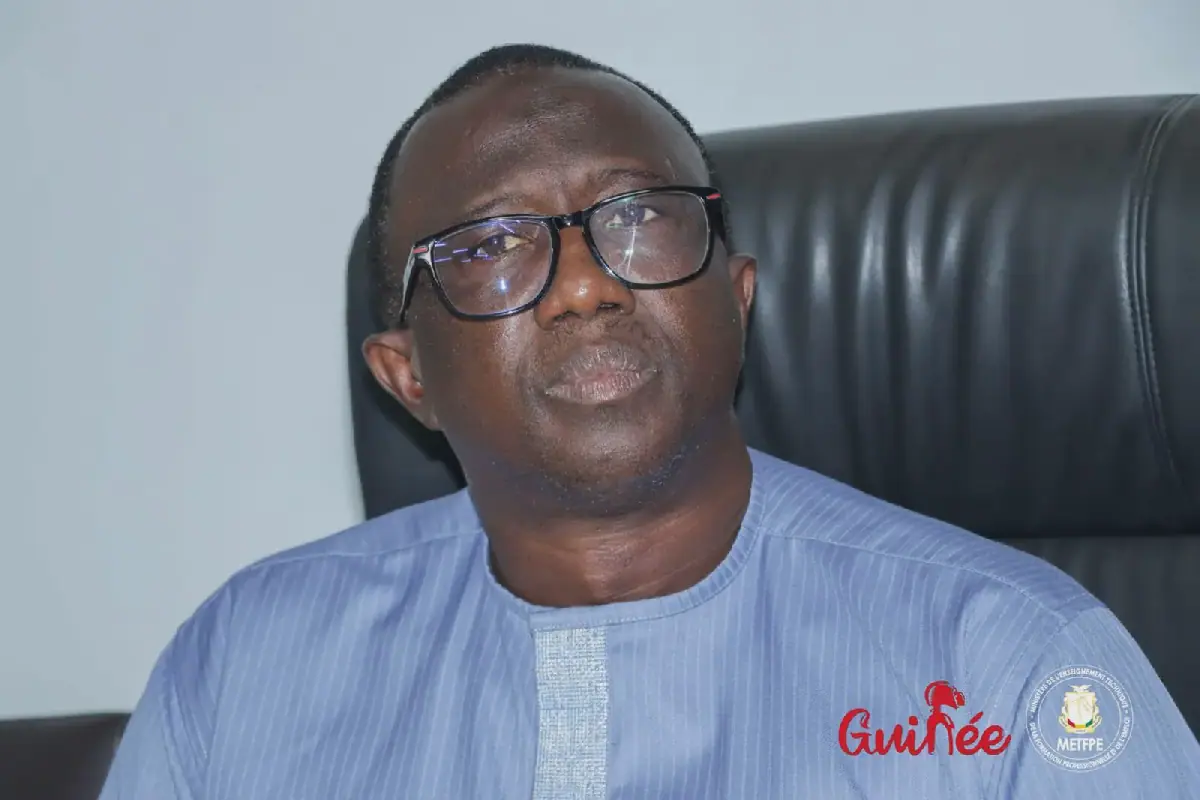
The Guinea-based Corruption and Economic Crimes Investigation Unit (CRIEF) has prohibited Youssouf Boundou Sylla, the secretary general of the Ministry of Culture, Tourism, and Handicrafts, from leaving the country. This decision comes amid allegations of corruption linked to a journalistic production. On November 16, 2026, Alphonse Charles Wright, the special prosecutor at CRIEF, issued a requisition to prevent Sylla's departure.
The investigation centers around Sylla's role in publishing an article on Guineenews regarding the Nabayagate case, which involved accusations against former Minister Djenabou Nabaya Dramé. The special prosecutor had previously stated that Sylla's actions may have constituted obstruction of justice or corruption. The probe is now being handled by the Central Directorate of the Office for the Repression of Economic and Financial Crimes (ORDEF).
According to the requisition, the inquiry focuses on alleged corruption of private agents related to a journalistic production that may have led to the non-prosecution of the person accused. The special prosecutor cited the need for the investigation and the risk of evasion of justice to justify the travel ban. The acts in question are covered by Article 777 of the Penal Code and Article 54 of the Law on the Prevention and Repression of Corruption.
This development follows a media appearance by Alphonse Charles Wright on November 12, 2026, where he discussed the Nabayagate case. Wright stated that he had examined the case file and found no evidence to support the accusations against Nabaya Dramé. He then implicated Sylla, stating that the latter had published the article while not even being in Guinea.
The travel ban on Sylla was enforced through instructions to the special commissioner of Ahmed Sékou Touré International Airport and the director of the Border Police. They were directed to take necessary measures to prevent Sylla's departure from Guinea. The ORDEF is tasked with conducting further investigations into the allegations.
The case has raised concerns about press freedom and potential corruption within Guinea's government. The special prosecutor emphasized that while press freedom is essential, it has its limits, particularly when it comes to protecting individuals' dignity. The investigation's outcome may have significant implications for Sylla, as well as for press freedom and accountability in Guinea.
The Guinea-based CRIEF unit is mandated to investigate and prosecute corruption and economic crimes. The agency's efforts to hold individuals accountable for alleged corruption demonstrate its commitment to upholding the law and promoting transparency in the country. The case against Sylla will likely be closely watched by stakeholders in Guinea and beyond.
Key points
- Youssouf Boundou Sylla faces allegations of corruption linked to a journalistic production in the Nabayagate case.
- The Guinea-based CRIEF unit has prohibited Sylla from leaving the country as part of an ongoing investigation.
- The case raises concerns about press freedom and potential corruption within Guinea's government.