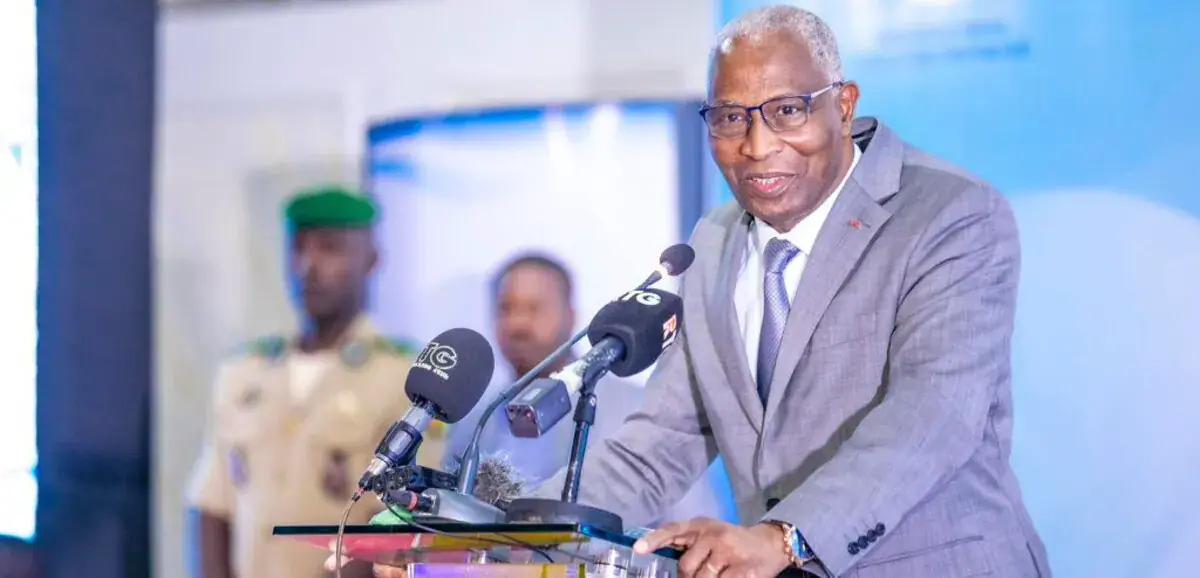
The Prime Minister of Guinea, Amadou Oury Bah, has set a deadline of December 31 for the 18 communes of Conakry to clear the city of waste. This move comes as the capital city has been struggling with an accumulation of garbage in its streets, residential areas, and under bridges. The situation worsened after the closure of the Dar-es-Salam landfill in August, which was shut down after a landslide caused by heavy rains resulted in 36 deaths and numerous injuries.
According to the Minister of Sanitation, Aboubacar Camara, Conakry generates approximately 3,000 tonnes of waste daily, with a significant portion ending up in the streets due to inadequacies in the waste collection system. The government has outlined a first phase of its national sanitation policy for 2026-2030, which includes projects for waste sorting and treatment centers, as well as a methane production and composting unit in the Greater Conakry area.
The Prime Minister has tasked the communes with mapping their territories, identifying their needs, and organizing pre-collection of waste in neighborhoods. This initiative was announced during the opening of the National Sanitation Forum, which brings together public and private stakeholders to find sustainable solutions to improve the national sanitation system and address cleanliness challenges in the Greater Conakry area.
The National Sanitation Forum, held on November 25 and 26, aims to identify solutions to improve the sanitation system and address the challenges of cleanliness in the Greater Conakry area. The forum's theme is "National Pact for Dignity: From Commitment to Action." The Prime Minister's directive is part of a broader effort to address the sanitation crisis in Conakry and improve living conditions for its residents.
The closure of the Dar-es-Salam landfill has had a significant impact on waste management in Conakry. The government is now working to implement new solutions to address the waste accumulation issue. The Prime Minister's announcement has given the communes a clear deadline to take action and implement effective waste management strategies.
The sanitation crisis in Conakry has significant implications for public health and the environment. The accumulation of waste has created an environment conducive to the spread of diseases. The government's efforts to address the issue are crucial to improving the quality of life for residents and protecting the environment.
The government has urged the communes to take responsibility for waste collection and management. The Prime Minister's directive is a call to action for the communes to work together to address the sanitation crisis in Conakry. The success of this initiative will depend on the cooperation and commitment of all stakeholders involved.
Key points
- The Prime Minister of Guinea has set a deadline of December 31 for the 18 communes of Conakry to clear the city of waste.
- Conakry generates approximately 3,000 tonnes of waste daily, with a significant portion ending up in the streets due to inadequacies in the waste collection system.
- The government has outlined a first phase of its national sanitation policy for 2026-2030, which includes projects for waste sorting and treatment centers.