Guinea's coastline is facing severe environmental challenges due to climate change, including coastal erosion, rising sea levels, and degradation of mangroves. These changes are putting pressure on the country's ecosystems and population. The upcoming COP31 meeting in Turkey, scheduled from November 9 to 20, 2026, aims to address global climate change issues. However, the specific concerns of Guinea's coastal regions remain a pressing matter. The country's littoral zone is experiencing significant threats.
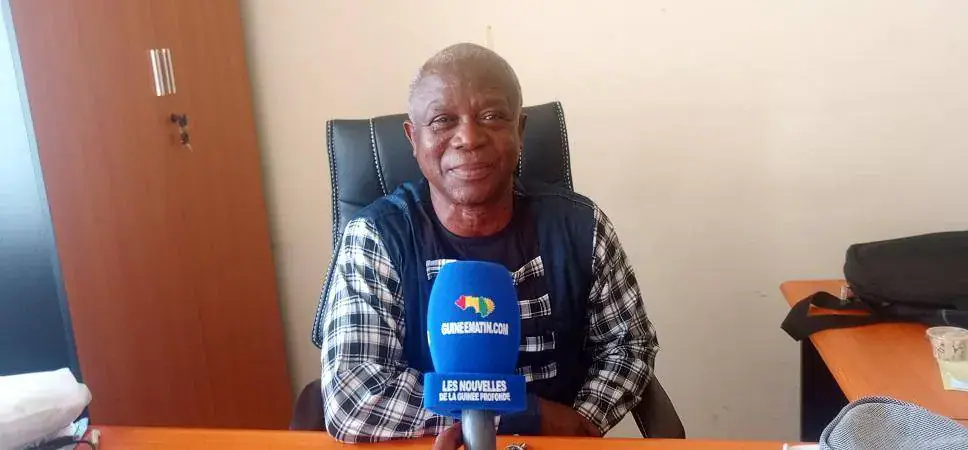
According to Pr Alkhaly Doumbouya, a scientist and head of the coastal management department at the National Center for Halieutic Sciences in Boussoura, the current state of Guinea's coastline is relatively stable, but with visible pressures. The coastline still has significant forest massifs and mangrove cover, but these areas are under threat. The main concerns are demographic pressure, destruction of ecosystems, increased fishing activities, coastal erosion, and the construction of mining ports and infrastructure.
Demographic pressure is a significant issue in Guinea's coastal regions, with many areas experiencing high migration rates. For example, Moribaya has seen substantial population growth, with some statistics indicating an increase of over 300% in recent years. This growth has led to the destruction of ecosystems, including mangroves, and increased pressure on fishing activities. Coastal erosion is also a major concern, with entire villages needing to be relocated due to the erosion of their land and the destruction of their fishing sites.
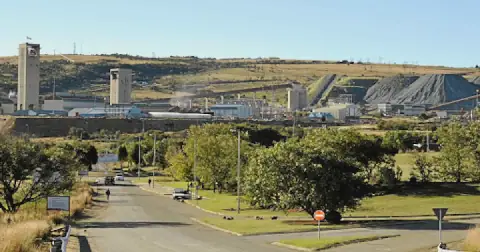
The construction of mining ports and infrastructure has also had a significant impact on Guinea's coastline. The use of barges to transport mining materials has affected the fishing industry, particularly artisanal fishing. However, Pr Doumbouya notes that Guinea's coastline has a capacity for regeneration, and efforts such as mangrove reforestation have shown encouraging results. The country's ecosystems can recover if pressure is reduced, and conservation efforts are implemented.
To address these challenges, Pr Doumbouya emphasizes the need for financing, technology, and training. The Guinean government must work with international partners to access funding and develop projects that support coastal conservation and adaptation to climate change. There are various international funds available, including the REDD+ program and funds dedicated to reforestation. The country must also explore solutions based on nature, such as setting up protected areas and promoting sustainable land use practices.
Some solutions have already been implemented in Guinea, including agroforestry and renewable energy projects. The use of biogas has been explored, and efforts have been made to promote sustainable waste management practices. However, more needs to be done to address the scale and complexity of the challenges facing Guinea's coastline. The country's experience and expertise in addressing these issues can inform regional and global efforts to conserve coastal ecosystems.
As the COP31 meeting approaches, Guinea's concerns about its coastline will be on the agenda. The country's delegation will likely seek to secure funding and support for its conservation efforts and climate change adaptation projects. The international community must recognize the urgency of addressing coastal erosion and ecosystem degradation in Guinea and other vulnerable countries. Effective solutions will require collaboration, innovation, and a commitment to protecting the environment and supporting local communities.
Key points
- Whole villages are being displaced due to coastal erosion in Guinea.