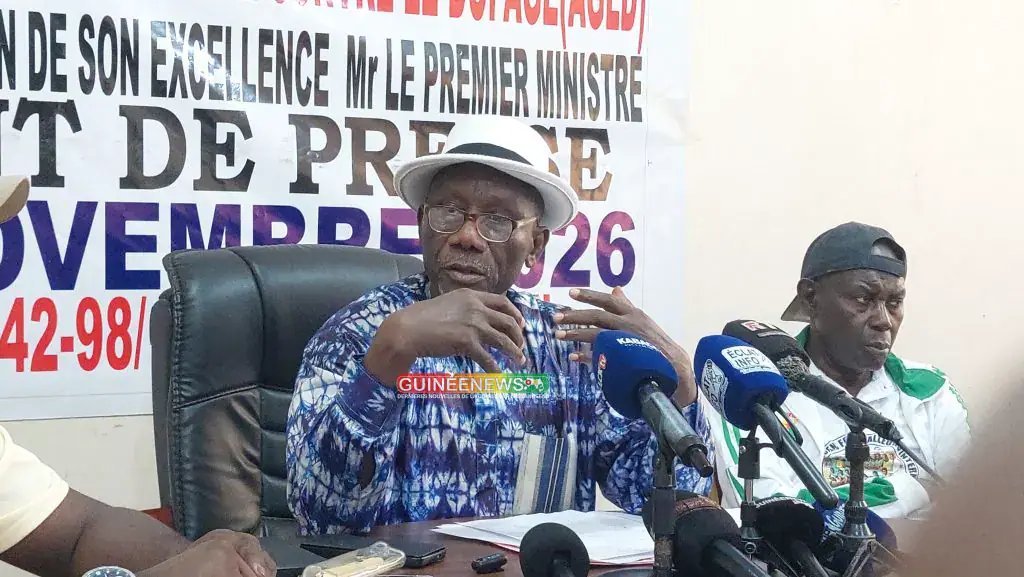
The Guinean Agency for Anti-Doping has been tasked with intensifying its activities since receiving a letter of mission from the Prime Minister on August 31, 2026. However, the agency's president, Fodé Sanoussy Soumah, has acknowledged that the institution is struggling to mobilize the necessary resources to translate its ambitions into concrete actions. Despite having developed a strategic plan, a national anti-doping plan for 2027-2029, and three operational action plans, the agency is yet to secure funding.
The agency's main challenge lies in financing its activities, as it currently lacks the necessary resources to carry out its mission. According to Fodé Sanoussy Soumah, the agency is still in search of funds, and without them, it cannot effectively implement its plans. This is a significant concern for an institution responsible for protecting the integrity of Guinean sports and the health of athletes. The agency's inability to conduct doping controls is another significant challenge, as Guinea does not have an accredited laboratory to analyze athlete samples.
As a result, samples must be sent to laboratories in Europe, which requires specialized equipment, rigorous technical organization, and substantial financial resources. The agency is working to establish a system to conduct controls, but this process is hindered by the lack of resources. In the meantime, the agency is focusing on awareness and prevention efforts, having established antennas in the country's eight administrative regions and made contact with 62 sports federations.
The agency has also conducted training sessions for football coaches and launched a campaign in collaboration with the Guinean Karate Federation, which reached over 300 participants. These initiatives demonstrate the agency's commitment to establishing a national policy to combat doping. However, without a functional control mechanism, these efforts are insufficient. Fodé Sanoussy Soumah has appealed to the authorities to provide the agency with the necessary means to achieve its objectives.
The agency's effectiveness will depend on its ability to take concrete action on the ground. The lack of resources has resulted in a slow start, with the agency yet to conduct any doping controls. The situation is concerning, given the importance of protecting the health of athletes and maintaining the integrity of sports in Guinea. The agency's plans and strategies are in place, but without funding, they remain on paper.
The Guinean government has provided the agency with orientations and strategic documents, but it is now essential for the authorities to provide the necessary support to enable the agency to carry out its mission. The agency's president has emphasized that the institution is not just about planning but also about executing its plans on the ground. The coming months will be crucial in determining the agency's ability to overcome its challenges and effectively combat doping in Guinea.
The international community's support and cooperation will also be essential in helping the Guinean Agency for Anti-Doping to achieve its objectives. The agency's struggles highlight the need for increased investment in anti-doping efforts in Guinea and the importance of collaboration between governments, sports organizations, and international agencies to protect the integrity of sports and the health of athletes.
Key points
- The Guinean Agency for Anti-Doping faces significant challenges in implementing its mission due to a lack of financial and material resources.
- The agency is working to establish a system to conduct doping controls, but this process is hindered by the lack of resources.
- The agency's effectiveness will depend on its ability to take concrete action on the ground, which will require support from the authorities and the international community.