The European Union Naval Force Operation ATALANTA recently hosted the Commander of the Somali Navy and Coast Guard, Colonel Mohamed Abdulqadir “Shariif,” aboard its flagship on November 17. This meeting aimed to strengthen maritime cooperation and enhance Somalia's naval operational capabilities. Colonel Shariif assumed command of the Somali Navy and Coast Guard on October 31, 2026, and is now responsible for protecting over 3,000 kilometres of coastline and an exclusive economic zone of approximately 825,000 square kilometres.
The visit provided an opportunity for the EU naval force to outline its operational responsibilities and exchange expertise with Somali maritime officials. Discussions and practical activities focused on strengthening the capabilities of the Somali Navy and Coast Guard through knowledge-sharing, training, and operational cooperation, with support from the European Union Training Mission in Somalia (EUTM Somalia). ATALANTA Force Commander Commodore José Rodrigues Pedra welcomed Colonel Shariif, alongside the Acting Mission Force Commander of EUTM Somalia, Colonel Mattias Johnsson.
Somalia faces growing pressure to strengthen its maritime security capabilities and protect its extensive coastline and territorial waters. Despite ongoing international assistance, the Somali Navy and Coast Guard continue to face significant operational challenges, including shortages of patrol vessels, equipment, infrastructure, and specialised personnel. The country has been working to rebuild its maritime security institutions with the help of international partners.
Türkiye has emerged as a key defence partner for Somalia, providing naval training, technical assistance, and offshore patrol vessels to support the country's efforts to rebuild its maritime security institutions. However, developing an independently capable naval force remains a long-term challenge for Somalia. The reported resurgence of piracy along Somalia's coastline has further highlighted vulnerabilities in maritime surveillance, coastal patrols, and law enforcement capabilities.
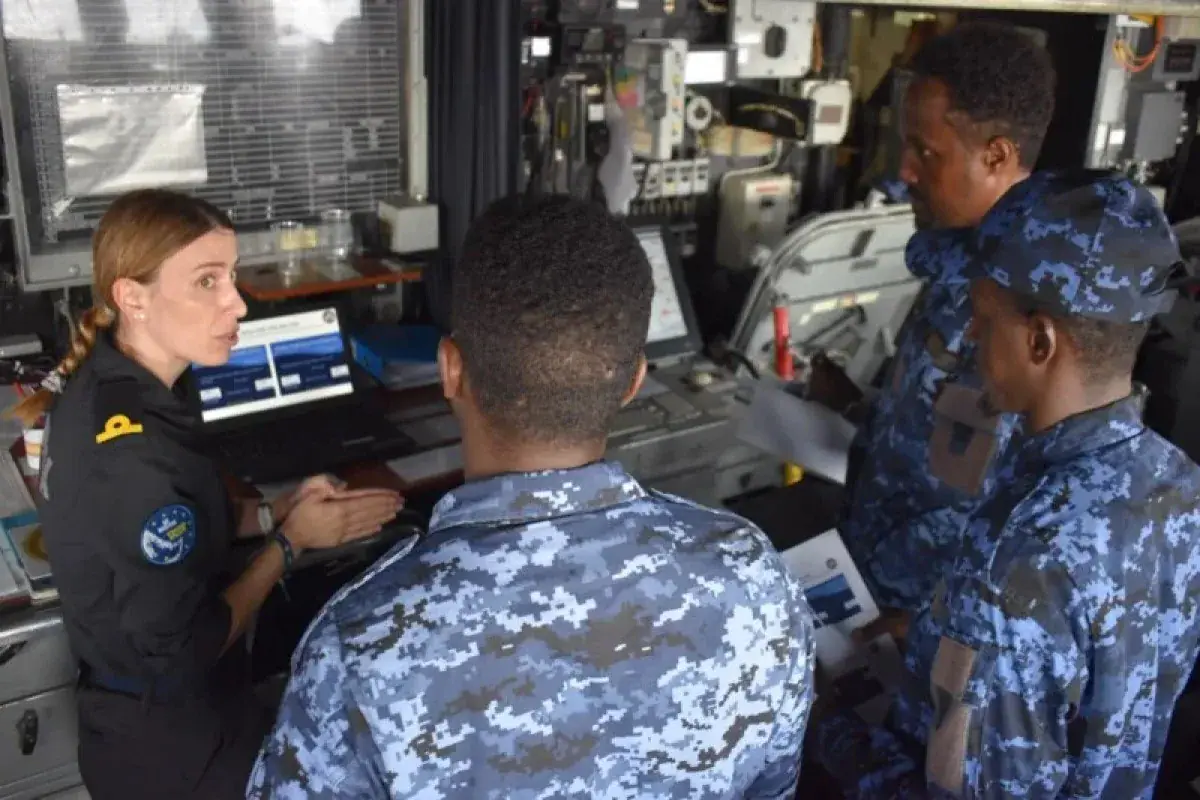
At least 15 piracy-related attacks have reportedly been recorded since April, underscoring the need for stronger coordination and sustained maritime security operations. In response, the EU has expanded its maritime capacity-building support to Somalia. A joint maritime capacity-building exercise was conducted on November 18 by EUCAP Somalia and Operation ATALANTA, involving the Maritime Rescue Coordination Centre in Mogadishu and the Coast Guard Department of the Somali Police Force.
The exercise combined maritime monitoring, intelligence analysis, and practical interdiction exercises aboard the Spanish frigate ESPS Santa María. The initiative aimed to strengthen coordination between Somali maritime institutions and international partners while improving the country's ability to monitor its waters and respond to maritime security threats. Operation ATALANTA has been conducting training activities with Somali maritime forces since its launch in 2008.
Operation ATALANTA's role in Somali waters is crucial, as it works to deter and disrupt piracy off the coast of Somalia, protect vulnerable shipping, and contribute to maritime security in the Gulf of Aden and the western Indian Ocean. Cooperation with the European Union and Türkiye remains an important component of Somalia's broader maritime security strategy. The latest engagement reflects continued international efforts to strengthen Somalia's maritime capabilities.
Key points
- The EU Naval Force Operation ATALANTA hosted the Somali Navy Chief to enhance maritime cooperation and Somalia's naval capabilities.
- Somalia faces significant operational challenges in its maritime security, including shortages of patrol vessels, equipment, infrastructure, and specialised personnel.
- International cooperation and sustained investment in naval infrastructure, personnel, equipment, and operational capacity are crucial for Somalia's long-term ability to independently secure its waters.