On November 22, 1970, Guinea marked the 56th anniversary of a brutal invasion led by Portuguese forces. The attack, which occurred at 2 am on a Sunday, resulted in the deaths of over 530 Guineans. The invasion was a failed attempt to overthrow the government of President Ahmed Sékou Touré and undermine the country's independence. The attack was carried out by six unmarked gray boats carrying heavily armed men off the coast of Conakry.
The invasion was a coordinated effort involving Portuguese forces and their Guinean collaborators. The attackers' primary objectives were to overthrow Touré's government, weaken the African Party for the Independence of Guinea and Cape Verde (PAIGC), and combat Portuguese colonial rule in Guinea-Bissau and Cape Verde. The attackers also sought to free Portuguese prisoners, sabotage strategic military installations, and disrupt the country's infrastructure.
Despite being heavily outnumbered, the Guinean people, led by President Touré, put up a fierce resistance against the invaders. After a prolonged and intense battle, the attackers were repelled, and many were arrested and executed by the Guinean people. The country's military, militias, and civilians responded quickly to Touré's call for mobilization, forcing the Portuguese forces and their collaborators to retreat and reembark on their ships.
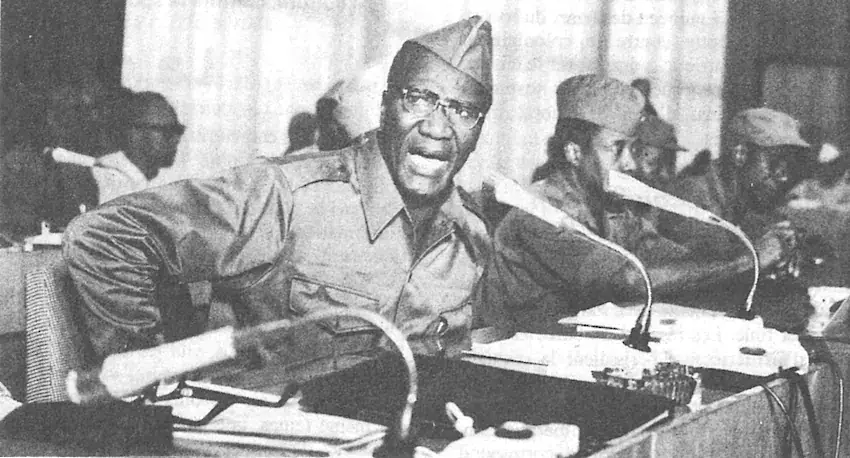
Contrary to some claims, no foreign troops intervened on behalf of Guinea during the invasion. President Moussa Traoré of Mali delivered a historic speech in support of Guinea, but this did not involve any military intervention by Mali. Some reports have suggested that Malian troops reached as far as Dabola, but these claims are unfounded and have been denied by reliable sources.
The 1970 invasion remains a painful chapter in Guinea's history, with many still remembering the sacrifices made by the country's people. The attack was a brazen attempt to undermine Guinea's sovereignty and disrupt the country's development. Despite the challenges posed by the invasion, Guinea's people demonstrated remarkable resilience and determination in defending their country.
In the aftermath of the invasion, the Guinean people continued to face challenges, but they remained committed to their independence and sovereignty. The country's history serves as a testament to the bravery and resilience of its people, who have continued to build and develop their nation despite facing numerous challenges.
Today, Guinea continues to honor the memory of those who lost their lives during the 1970 invasion. The country's people remain vigilant, ensuring that such a painful chapter in their history is never forgotten. As the nation looks to the future, it remains committed to preserving its independence and sovereignty, and to continuing the legacy of its founding leaders, including President Ahmed Sékou Touré.
Key points
- Over 530 Guineans were killed during the 1970 Portuguese-led invasion.
- The invasion was led by Portuguese forces with the goal of overthrowing President Ahmed Sékou Touré's government.
- No foreign troops intervened on behalf of Guinea during the invasion.