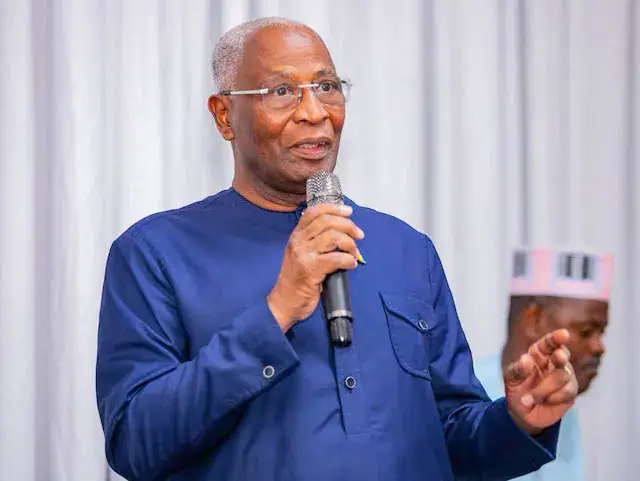
Guinea's Prime Minister, Amadou Oury Bah, has called on local authorities to take full responsibility for managing waste in Conakry, setting a goal to make the city completely clean by the end of December 2026. This announcement was made during the launch of the National Sanitation Forum, organized by the Ministry of Sanitation, Hydraulics, and Hydrocarbons, on November 25, 2026.
The Prime Minister emphasized that the government allocates 15 billion Guinean francs monthly for sanitation in Conakry's 18 communes. He stressed that sanitation is a priority for the government, highlighting the significant financial effort being made. The government's commitment to sanitation is part of a broader strategy to improve public health and cleanliness in the capital city.
Amadou Oury Bah also discussed ongoing reforms and projects initiated by the government, including the closure of the Dar-es-Salam landfill, which will be rehabilitated into a urban park. Negotiations with the operator responsible for waste evacuation from transit zones have been completed, and equipment deployment to the Baritodé transitional landfill is imminent. An additional waste valorization plant is also planned.
The Prime Minister urged local authorities to increase their involvement in waste management, stressing that the state is taking its responsibilities but that communes must also play their part. Each commune must map its territory, identify needs, and organize pre-collection of waste in neighborhoods and sectors. Effective action at this level is crucial, according to the Prime Minister.
Amadou Oury Bah sees the sanitation sector as a source of job creation for young people, wanting activities like collection and pre-collection to provide regular income and a dignified work environment. He encouraged organization, fair compensation, and recognition of sanitation-related jobs as dignified employment. This approach aims to engage youth in the development of their country.
The Prime Minister highlighted the economic potential of transforming waste into valuable resources, such as fertilizer and energy. He encouraged viewing waste not as mere refuse but as a raw material that can generate wealth. With innovation and private sector support, waste can become a source of richness, particularly through the production of fertilizer and energy.
In conclusion, Amadou Oury Bah recalled President Mamadi Doumbouya's directives, urging communal leaders to mobilize and meet the set deadline. The President's instructions are clear: Conakry must be completely clean by the end of December 2026. Means are being made available to local authorities, and each party must play its role in achieving this objective.
Key points
- The Guinea government allocates 15 billion Guinean francs monthly for sanitation in Conakry's 18 communes.
- The goal is to make Conakry completely clean by the end of December 2026.
- The Prime Minister sees potential for job creation and wealth generation through waste transformation.