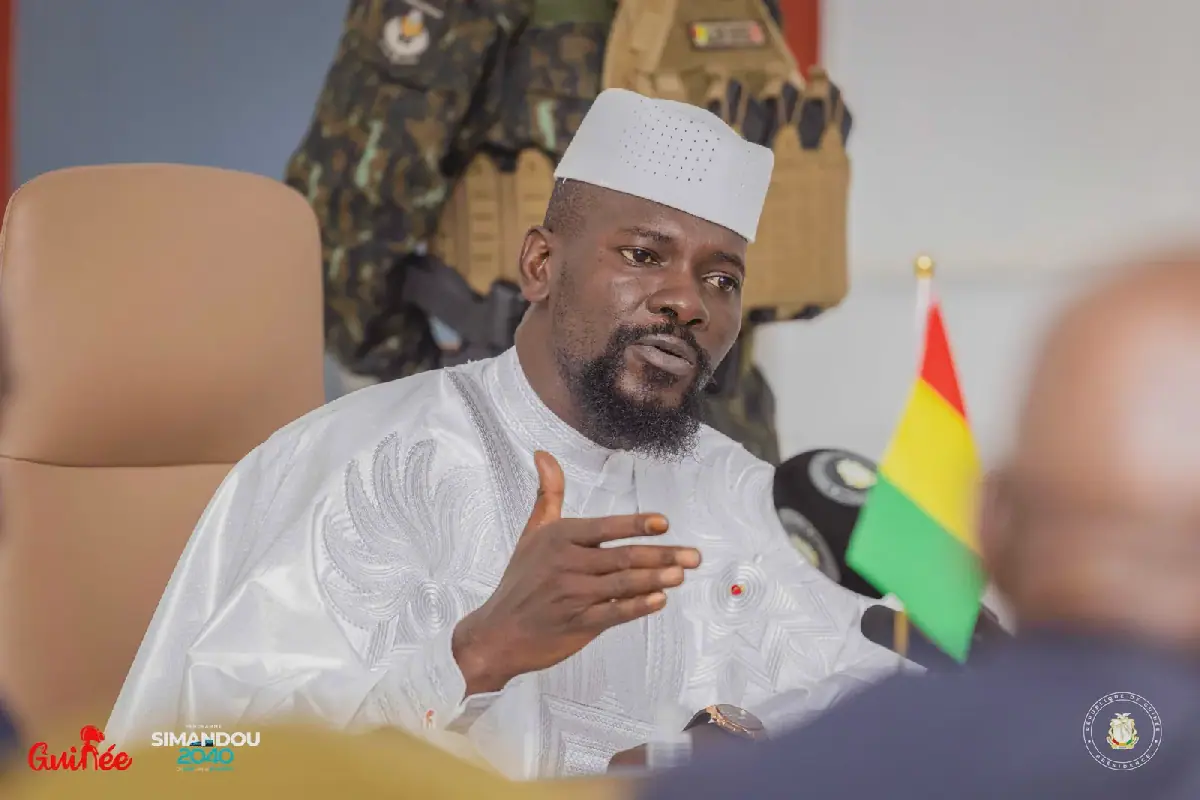
On November 3, 2026, President Mamadi Doumbouya issued a presidential decree calling for the electoral body to convene for regional and senate elections in Guinea. The elections aim to strengthen the country's territorial and parliamentary governance institutions. According to the decree, regional council elections will be held on November 29, 2026, and senate elections on December 20, 2026. These elections mark a significant step in the country's institutional process.
The regional council elections will take place across the country, including the special zone of Conakry, with a total of 8,783 voters, comprising communal councilors. The senate elections, on the other hand, will have a college of electors made up of regional and communal councilors, with a total of 8,780 registered voters. These elections are crucial for the evolution of Guinea's political and institutional life.
Several ministries have been tasked with ensuring the smooth conduct of the electoral process. These include the ministries of Territorial Administration and Decentralization, Justice and Human Rights, Security and Civil Protection, Economy, Finance, and Budget, as well as relevant technical services. Their coordination will be essential in guaranteeing the material, administrative, and security organization of the two elections.
The presidential decree emphasizes the importance of these elections in strengthening Guinea's governance institutions. The country's institutional process has been ongoing, with the goal of progressively consolidating territorial and parliamentary governance bodies. The elections will also provide an opportunity for citizens to participate in the country's decision-making process.
The electoral process will involve various stakeholders, including the electoral commission, political parties, and civil society organizations. The government has assured that it will provide the necessary resources to ensure the success of the elections. The international community has also been invited to observe the electoral process, which is expected to be transparent and free.
The regional and senate elections are part of Guinea's efforts to consolidate its democracy and strengthen its institutions. The country has made significant progress in recent years, and these elections are expected to further consolidate its democratic gains. The government has reiterated its commitment to ensuring that the elections are free, fair, and transparent.
The elections are expected to be closely monitored by various stakeholders, including civil society organizations, political parties, and the international community. The government has assured that it will take all necessary measures to ensure the security and integrity of the electoral process. The outcome of the elections will be crucial in determining the future of Guinea's governance institutions.
Key points
- President Mamadi Doumbouya has called for regional and senate elections to take place in Guinea in November and December 2026.
- The elections aim to strengthen the country's territorial and parliamentary governance institutions.
- A total of 8,783 voters will participate in the regional council elections, while 8,780 registered voters will participate in the senate elections.