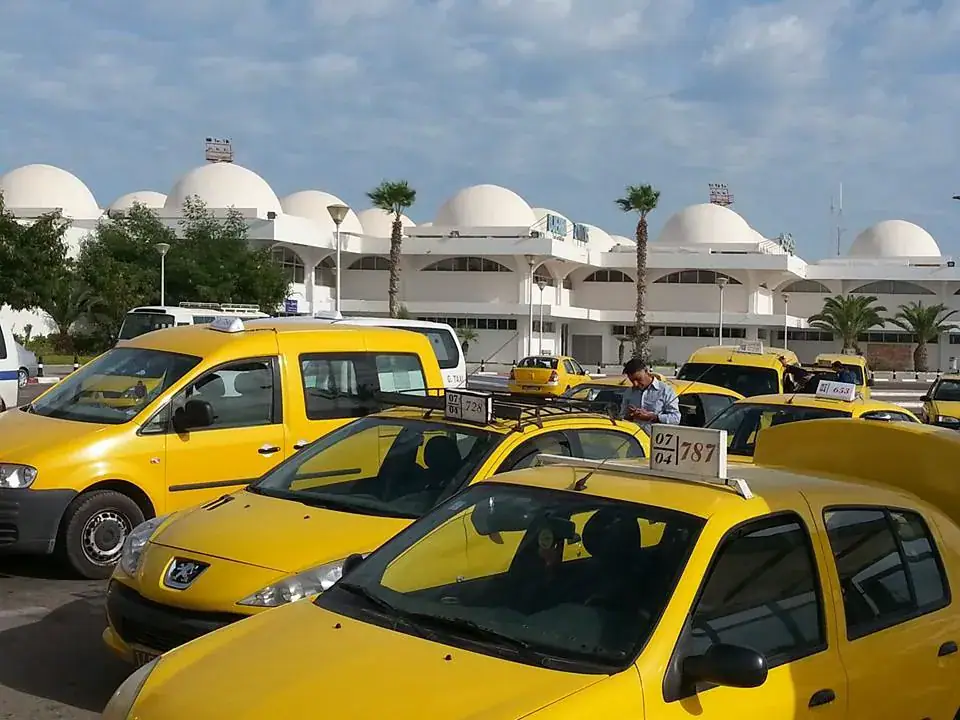
A strike by individual taxis on the Tunisian island of Djerba entered its second day on Tuesday, prompting the governor of Médenine to authorise collective taxis to transport passengers. This measure aims to ensure continuity of transport services and maintain routes, according to Fethi Belkalti, president of the regional union of industry, commerce and craftsmanship. The decision allows collective taxis, also known as louages, to operate on internal lines.
The strike, initiated by the regional union of individual taxis, is in protest against the granting of collective taxi licences on the island and to demand new authorisations for individual taxis. The union's secretary general, Jamel Ben Moussa, declined to comment on the requisition decision. The strike's duration is unspecified, with Ben Moussa stating that it will continue until regional authorities meet their demands.
According to Belkalti, regulations permit taxi licence holders to change their activity and become collective taxi drivers. However, this measure does not allow new licences to be issued to candidates from outside Djerba. The regional union of individual taxis had called for the strike, which began on Monday. The decision to requisition collective taxis was made to mitigate the impact of the strike on the island's transport services.
On Tuesday, transport services within Djerba were maintained thanks to the requisition of collective taxis. This move has helped to minimise disruptions to daily life on the island. The governor's decision has ensured that passengers can continue to travel, albeit with some adjustments to the usual services.
The union's demands focus on the allocation of new licences to individual taxis and the cessation of collective taxi licences on the island. The strike has brought attention to the challenges faced by individual taxi drivers and the need for a resolution to the issue. Regional authorities will need to engage with the union to find a solution.
The situation on Djerba highlights the complexities of regulating transport services and balancing the needs of different stakeholders. The use of collective taxis as a stopgap measure demonstrates the resourcefulness of local authorities in responding to disruptions. However, a long-term solution will require dialogue and cooperation between the union, authorities and other interested parties.
As the strike continues, residents and visitors to Djerba will be watching for a resolution to the situation. The island's economy, which relies heavily on tourism, may be affected by the ongoing disruption to transport services. A swift resolution to the dispute is in the interests of all parties involved.
Key points
- The governor of Médenine authorised collective taxis to transport passengers on Djerba island during the strike by individual taxis.
- The strike was called by the regional union of individual taxis in protest against the granting of collective taxi licences and to demand new authorisations.
- The requisition of collective taxis has helped maintain transport services on the island during the strike.