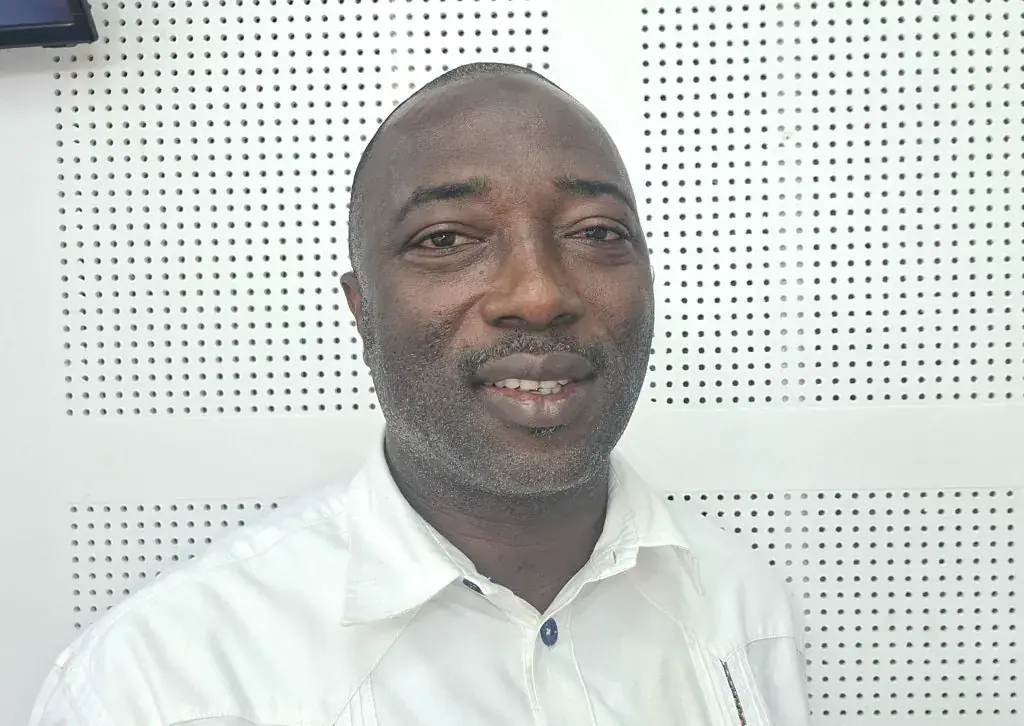
Guinea is on the cusp of a historic double electoral event, with regional and senate elections scheduled to take place. This development has been hailed as a democratic advancement by Dr. Moussa Samoura, a political scientist. The elections represent a new approach to democratic governance in Guinea, with citizens at the grassroots level being more involved in the process. The elections will be indirect, with elected officials forming a college electoral body to elect regional councilors and senators.
The regional councilors will play a crucial role in local development, working alongside administrative authorities to make decisions and shape development programs. According to Dr. Samoura, these councilors will have a defined competence, with their field of action and jurisdiction limited territorially. This setup allows for local populations to have a greater say in decision-making processes that affect their areas. The elected officials will be tasked with representing the interests of their localities.
The election process has raised questions about potential conflicts of interest or ego clashes between local officials and regional councilors. Dr. Samoura notes that it is essential for authorities to provide training and capacity-building for these elected officials to ensure they can effectively carry out their roles. According to the law, regional councilors will be elected from communal councils, with the number of councilors determined by the population size of each locality.
The implementation of this new electoral process is part of Guinea's broader democratization efforts, which began on September 5, 2021. This process has included a referendum, presidential elections, and legislative and communal elections. Dr. Samoura believes that the upcoming elections could mark the end of the transition period, although additional elections are planned for 2027. These future elections will be necessary to fully integrate new localities into the electoral process.
The Senate, as the upper house of parliament, will play a significant role in decisions related to local governance and development. The Senate will work in conjunction with the National Assembly to form the Parliament. According to Dr. Samoura, the Senate will be involved in voting on certain organic laws, while financial and budgetary matters will fall under the exclusive purview of the National Assembly.
Despite the significance of these elections, there has been relatively little enthusiasm surrounding the campaign. Dr. Samoura attributes this to the limited number of candidates and the restricted electoral body, which consists of communal councilors rather than the general public. The decision-making process for these elections will likely be influenced by the prevailing political dynamics.
The outcome of these elections will be crucial in determining the future of Guinea's democratization process. As the country continues to navigate its transition, the involvement of citizens at the grassroots level and the effectiveness of the new electoral process will be closely watched.
Key points
- The elections represent a democratic advancement in Guinea's transition process.
- Regional councilors will play a crucial role in local development.
- The Senate will work in conjunction with the National Assembly to form the Parliament.