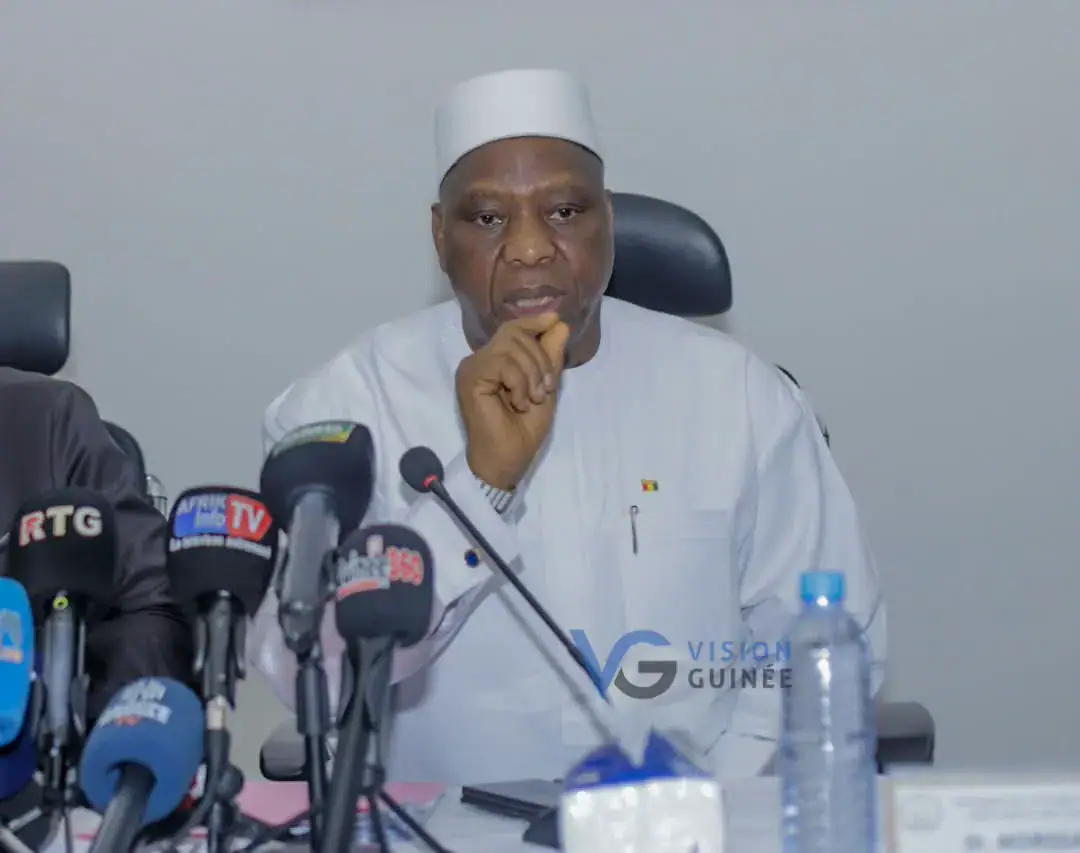
Guinea's Foreign Minister Morissanda Kouyaté recently met with accredited diplomats to discuss the issue of illegal gold mining, or orpaillage sauvage, in the country. This meeting came after incidents were reported at a gold exploitation site in Siguiri, leading to the expulsion of clandestine miners. Kouyaté emphasized the Guinean government's commitment to upholding national legislation, stressing that individuals involved in illegal mining will be held accountable for their actions.
During the meeting, Kouyaté distinguished between Guinea's fraternal relations with other African countries and the need to respect national laws. He stated that the country's pan-African commitment should not be misinterpreted as weakness. The minister noted that some individuals had mistaken Guinea's pan-Africanism for leniency, leading them to engage in illegal activities. He warned that those involved would face the consequences of their actions under Guinean law.
Kouyaté emphasized that individuals, regardless of their nationality, will be held responsible for their actions. He stated that Guineans, Malians, Burkinabè, Nigeriens, Ivorians, and Togolese involved in illegal mining will face individual responsibility for their actions, not as representatives of their countries. The minister clarified that no one is sent by their government or president to engage in illegal mining in Guinea, but rather individuals act on their own.
The minister announced that those apprehended will be brought before Guinean courts to answer for their actions. Sanctions will not only include judicial prosecution but also compensation for damages caused to the site, such as destruction of vegetation. Kouyaté warned that those arrested will be judged, condemned, and required to make amends for their actions.
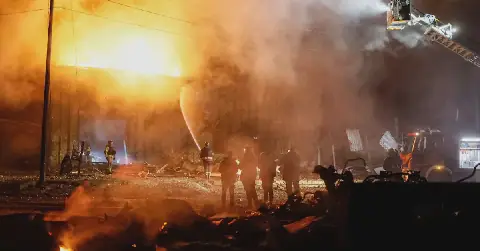
Kouyaté justified the need to end illegal gold mining due to its environmental and infrastructural consequences. He cited the obstruction of waterways, road degradation, and difficulties in accessing affected areas, including for emergency services. The minister recalled the warnings of another African head of state regarding the dangers of this practice.
The Foreign Minister stressed that Guinea is not the only country to ban illegal gold mining. He referenced a statement by an African head of state describing the practice's negative impacts, including obstruction of waterways, road degradation, and environmental damage. Kouyaté emphasized that these consequences can be severe, even affecting access to medical care.
The Guinean government is taking steps to address the issue of illegal gold mining, with a focus on holding individuals accountable for their actions. The country's commitment to pan-Africanism will not compromise its enforcement of national laws. Those involved in illegal mining will face the consequences of their actions, and the government will work to mitigate the environmental and infrastructural damage caused by this practice.
Key points
- The Guinean government emphasizes individual responsibility for actions related to illegal gold mining.
- The country's pan-African commitment will not be misinterpreted as weakness in enforcing national laws.
- Those involved in illegal mining will face judicial prosecution and compensation for damages caused.