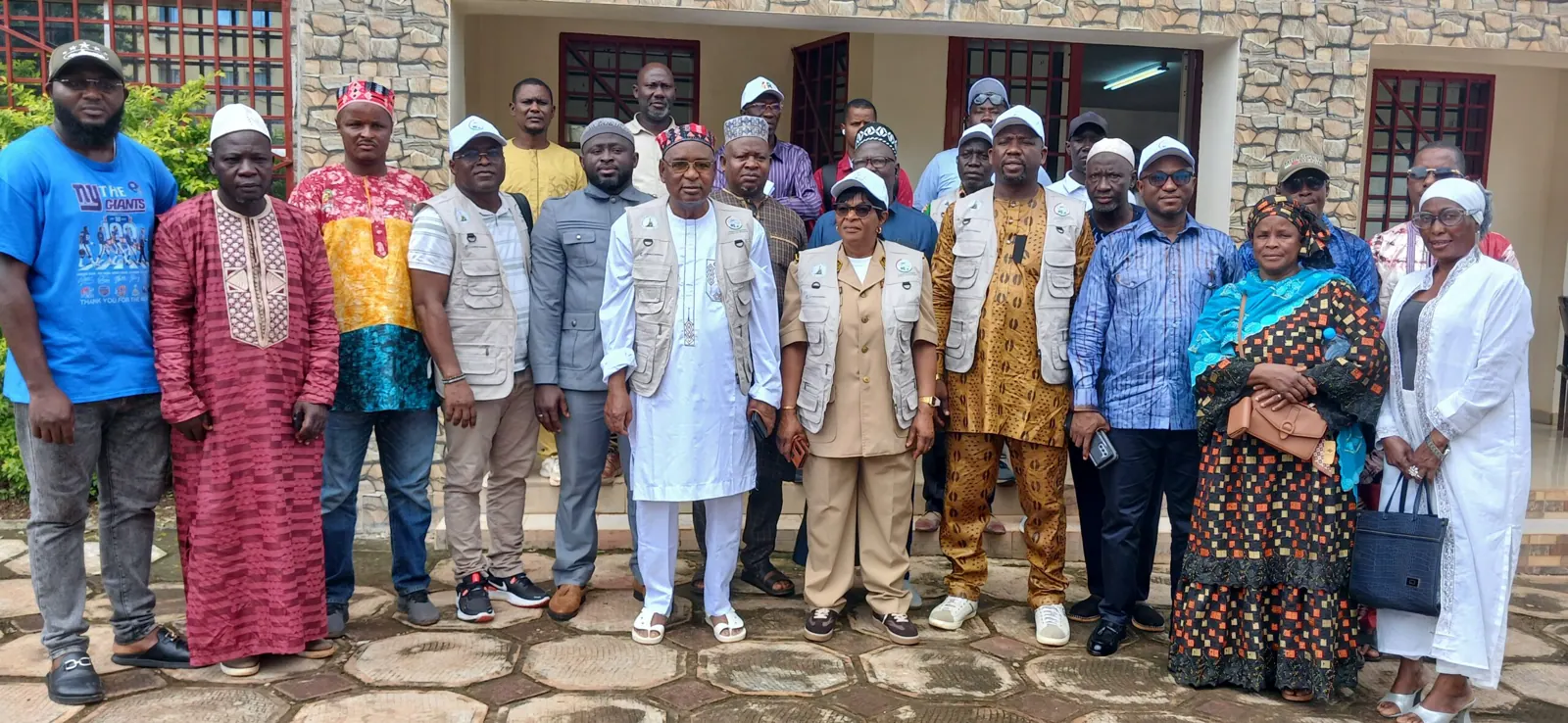
The Guinean government, through the National Institute of Statistics (INS), has initiated the first General Enterprise Census (RGE-1) in Boké, a city in western Guinea. The census aims to gather confidential information on enterprises, their economic activities, and areas of intervention. This operation is financed by the World Bank as part of the Project for Harmonizing Statistics in West Africa (PHASAOC). The launch event was attended by local authorities and stakeholders.
According to Fodé Alhassane Doumbouya, head of the mission for the Boké zone, the RGE-1 seeks to collect reliable data on businesses, which will help in making informed decisions and policies. He urged local authorities and populations to cooperate with census agents and facilitate their work. The census is expected to improve the availability of economic information on commercial activities in the region.
El Hadj Mouctar Soumah, representative of the Regional Planning Inspection, highlighted the importance of this operation in producing reliable statistics to guide development decisions and policies. He emphasized that the government's commitment to data collection will enhance planning and orientation of development interventions. The RGE-1 is a significant step towards improving the quality of statistical data in Guinea.
The launch event was opened by Hadja Gnalen Condé, director of the Boké governorate's cabinet. She stressed that the RGE-1 is a major operation aimed at improving the availability of economic information on commercial activities. Condé invited all socio-professional actors in the region to contribute to the success of this operation, which aims to strengthen planning and orientation of development interventions.
El Hadj Alimou, president of the Boké Regional Chamber of Commerce, welcomed the launch of the campaign and encouraged economic operators to participate. He emphasized that the census will provide valuable insights into the region's economic activities and help in identifying areas for development. The participation of local stakeholders is crucial to the success of the RGE-1.
The RGE-1 is a collaborative effort between the Guinean government and the World Bank. The census will provide a comprehensive picture of the country's economic landscape, which will inform policy decisions and development strategies. The data collected will also help in monitoring progress and evaluating the impact of development programs.
The successful implementation of the RGE-1 will depend on the cooperation of local authorities, populations, and economic operators. The Guinean government has assured that the data collected will be confidential and used solely for statistical purposes. The RGE-1 is expected to contribute significantly to the country's development efforts by providing reliable and accurate data on its economic activities.
Key points
- The first General Enterprise Census in Guinea aims to collect reliable data on businesses and economic activities in the Boké region.
- The census is financed by the World Bank as part of the Project for Harmonizing Statistics in West Africa (PHASAOC).
- The successful implementation of the RGE-1 depends on the cooperation of local authorities, populations, and economic operators.