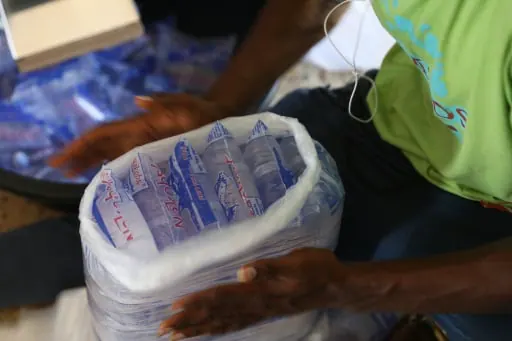
The government of Guinea has imposed a nationwide cap on bottled water prices, following a shortage triggered by a ban on plastic water sachets. The ban, which came into effect on September 20, targeted sachets that are widely used by the population due to their affordability. Each sachet contains approximately 40 centilitres of water and costs 500 Guinean francs. The ban has led to a rush on bottled water, resulting in stockouts and skyrocketing prices.
The shortage has raised concerns about people resorting to drinking water from boreholes and wells, which is often unfit for consumption. Physician Ben Youssouf Keita warned that this could lead to a rise in water-borne diseases such as diarrhoea, dysentery, and typhoid. He emphasised the need for a prevention campaign to educate the population on how to make well water safe for drinking.
The Union for the Defence of Guinea Consumers has called for a one-year moratorium on the implementation of the plastic ban, citing the need for viable alternatives to be found before water sachets are banned. The union's president, M'Bany Sidibe, stressed that the government must ensure that alternatives are in place to avoid exacerbating the drinking water shortage.
The government has responded to the shortage by capping the retail price of bottled water. A decree issued on Wednesday sets the price of a six-pack of 1.5-litre bottles at 25,000 Guinean francs. Retailers are required to display prices, and wholesale transactions must be accompanied by an itemised invoice. The move aims to make bottled water more affordable for the population.
The ban on plastic water sachets is part of a broader effort to reduce plastic waste in Guinea. The government has targeted sachets in particular, as they are widely used and contribute to plastic pollution. However, the move has had unintended consequences, including the shortage of affordable drinking water.
Consumers are struggling to access affordable drinking water, with many reporting that they have been unable to find bottled water in shops. Souleymane Barry, a private-sector worker, said he had visited five shops without finding any water. "If I can't drink, I won't eat," he said, highlighting the essential nature of access to drinking water.
The government faces the challenge of balancing its efforts to reduce plastic waste with the need to ensure access to affordable drinking water. The situation in Guinea highlights the complexities of implementing policies that aim to address environmental concerns while minimising the impact on vulnerable populations.
Key points
- The Guinea government has capped bottled water prices at 25,000 Guinean francs for a six-pack of 1.5-litre bottles.
- The ban on plastic water sachets has led to a shortage of affordable drinking water, with concerns over people resorting to unfit well water.
- The Union for the Defence of Guinea Consumers has called for a one-year moratorium on the plastic ban, citing the need for viable alternatives.