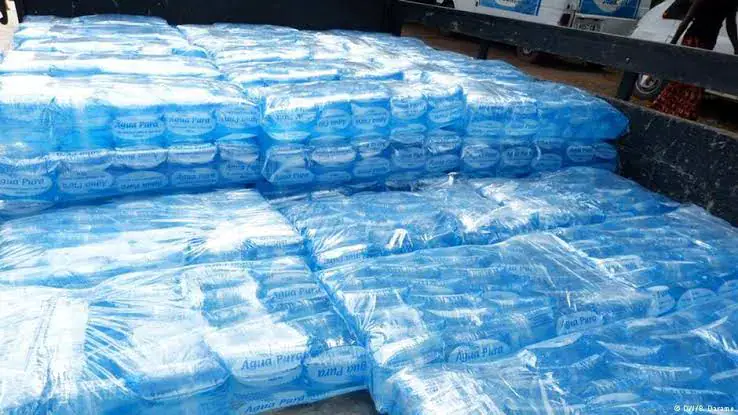
The government of Guinea has implemented a nationwide ban on single-use plastics, including bags, water sachets, straws, and styrofoam containers. The ban, which came into effect on September 20, 2026, was announced through a decree signed on September 21, 2024, by Mamadi Doumbouya, the President of the Transition. The decree aims to protect public health and the environment from the negative impacts of single-use plastics.
The ban was complemented by a joint order signed by the Ministries of Environment, Industry and Commerce, Economy and Finance, and Territorial Administration on September 10, 2026. The order outlines the specifics of the ban, including exemptions for medical, agricultural, and military uses, as well as for waste collection and PET bottles. The government had initially announced a six-month moratorium on the production of water sachets, allowing for a transition period.
The ban has led to a shortage of bottled water in some areas, with consumers turning to more expensive alternatives. The sachet of water, which was previously sold for 500 Guinean francs (approximately 5 cents), was a popular and affordable option for many Guineans. The sudden disappearance of this product has caused concerns among consumer associations and health professionals.
The president of the Union of Mineral Water Producers in Guinea, Souleymane Fofana, attributed the shortage to insufficient bottling capacities and a lack of plastic for bottles. He expressed regret that the industry had not anticipated the ban on water sachets. The situation has also raised concerns about the potential health impacts, with some consumers potentially turning to untreated water sources.
Consumer groups are calling for a one-year moratorium on the ban, citing concerns about the lack of affordable alternatives. M’Bany Sidibé, president of the Union for Consumer Defense in Guinea, argued that the ban should be implemented gradually, with support for the development of biodegradable packaging and recycling industries.
The government has announced a system of certification for biodegradable packaging, aiming to promote sustainable alternatives. However, the implementation of the ban has been criticized for being too sudden, with some arguing that it will lead to increased prices and economic hardship for low-income households.
The ban on single-use plastics in Guinea is part of a broader effort to address environmental and health concerns in the country. While the government aims to reduce the negative impacts of plastic waste, the implementation of the ban will require careful monitoring to ensure that it does not exacerbate existing social and economic challenges.
Key points
- The ban on single-use plastics in Guinea includes exemptions for medical, agricultural, and military uses.
- The government has announced a system of certification for biodegradable packaging.
- Consumer groups are calling for a one-year moratorium on the ban, citing concerns about the lack of affordable alternatives.