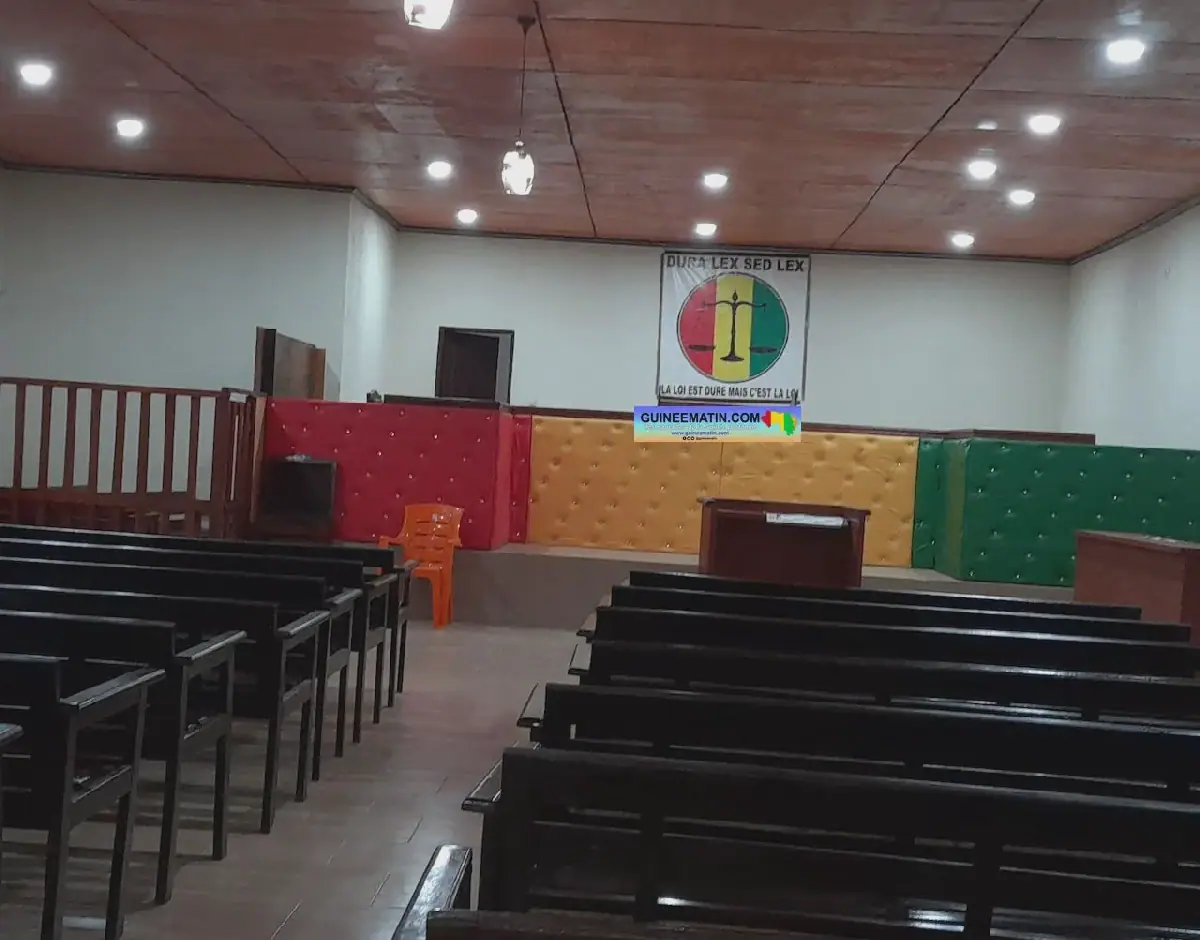
The Tribunal de première instance de Kaloum in Guinea delivered its verdict on October 28, 2026, in a case involving Honorable Cheick Tidiane Traoré, a communal councilor and former candidate for mayor of Kassa. Traoré had accused Ibrahima Sory Sylla and Nana Bangoura of defamation and insult due to their social media posts during the communal election campaign. The court ruled that the defendants were not guilty, finding no evidence of a crime.
Ibrahima Sory Sylla, a sports coach, denied the allegations, stating that his social media posts were part of the election campaign and did not mention Traoré's name. He claimed that he was supporting Abou Samaké's campaign and that his posts were slogans, not targeted at Traoré. Sylla explained that he was summoned to the police station after Traoré reportedly submitted captured screenshots of his posts.
Nana Bangoura, a married woman and market vendor, also denied the accusations. She stated that she did not know Cheick Tidiane Traoré and that her TikTok videos were unrelated to him. Bangoura claimed that she was only making videos with her friends during the campaign and did not mention Traoré.
Honorable Cheick Tidiane Traoré explained that his lawsuit aimed to set a precedent and protect the community from similar incidents in the future. He stated that the defendants' posts implied that he was an outsider in Kassa, which he took as a personal attack. Traoré acknowledged that the defendants did not mention his name in their posts but argued that the context made it clear they were referring to him.
The prosecution denounced the defendants' behavior, stating that no Guinean should be treated as an outsider in their own country. However, they also noted that the defendants did not explicitly mention Traoré in their posts, which meant that the material and moral elements of the crime were lacking. The prosecution requested that the defendants be acquitted.
The defendants apologized for their actions and asked for forgiveness. The court ultimately dismissed the case, finding no crime had been committed. However, the judge warned the defendants against spreading divisive messages in the future.
The court's decision was met with attention from local media, with Guineematin.com reporting on the verdict. The case highlights the complexities of social media regulation and free speech in Guinea, particularly during election periods.
Key points
- The court ruled that the defendants were not guilty of defamation or insult.
- The defendants' social media posts were deemed to be part of the election campaign and not targeted at Traoré.
- The court warned the defendants against spreading divisive messages in the future.