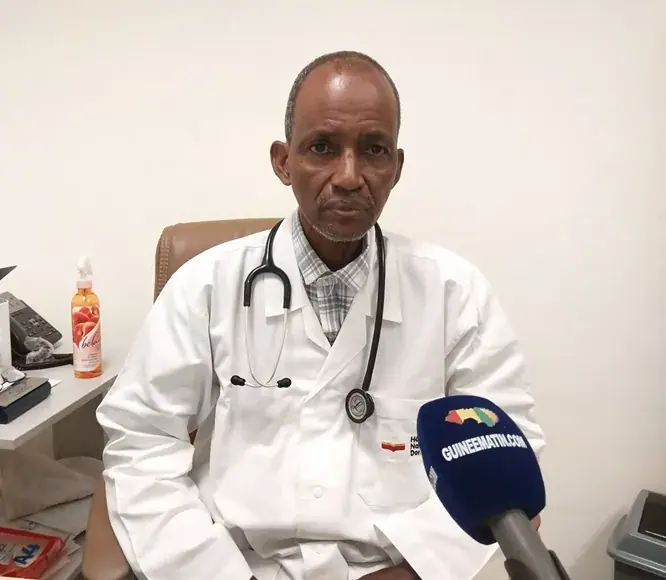
As the world marks World Diabetes Day on November 14, 2026, Guinea's health experts are emphasizing the importance of prevention and early detection. Dr Amadou Bah, an endocrinologist and head of the diabetology department at Donka University Hospital, has shared his insights on reducing the risk of diabetes. He highlights that the disease can affect anyone, but certain factors increase the likelihood of developing it. These factors include age, being overweight, and a sedentary lifestyle.
According to Dr Bah, a combination of genetic and lifestyle factors contribute to the risk of developing diabetes. He notes that individuals with a family history of diabetes, those who are overweight, and those who do not engage in regular physical activity are more likely to develop the disease. Additionally, unhealthy eating habits, stress, excessive alcohol consumption, and smoking also increase the risk. Dr Bah emphasizes that making simple changes to daily habits can significantly reduce the risk of developing diabetes.
Dr Bah recommends that people make significant changes to their diet and lifestyle to prevent diabetes. He advises reducing sugar, salt, and fat intake, and engaging in regular physical activity, such as walking for at least 30 minutes, two to three times a week. He also stresses the importance of quitting smoking, managing stress, and regularly monitoring blood sugar levels, especially for individuals with a family history of diabetes.
The health expert also highlights the importance of monitoring blood sugar levels, particularly for women who have given birth to large babies, as they are at a higher risk of developing diabetes. Dr Bah notes that managing these factors can help prevent not only diabetes but also other chronic diseases, such as hypertension. He emphasizes that these conditions require ongoing medical care, lifestyle adjustments, and can be costly to manage, especially for individuals with limited financial resources.
Dr Bah also emphasizes the need for early detection and intervention. He encourages people to get tested for diabetes before symptoms appear, rather than waiting until complications arise. According to Dr Bah, early detection and treatment can significantly improve outcomes and prevent long-term damage. He advises individuals over 40 to undergo annual health check-ups, as everyone is at risk of developing diabetes.
The specialist notes that diabetes requires a comprehensive approach to management, including medical care, education, and multidisciplinary support. He stresses that individuals with diabetes must take medication daily, make lifestyle adjustments, and monitor their condition regularly. Dr Bah encourages people to take proactive steps to manage their health and prevent diabetes, rather than relying solely on medical treatment.
Ultimately, Dr Bah's message is one of empowerment and prevention. By making simple changes to daily habits and being proactive about health, individuals can significantly reduce their risk of developing diabetes. Regular monitoring of blood sugar levels and early detection can also help prevent long-term complications and improve outcomes for those with diabetes.
Key points
- Dr Amadou Bah advises reducing sugar, salt, and fat intake to prevent diabetes.
- Regular physical activity and quitting smoking can also reduce diabetes risk.
- Early detection and intervention are crucial in managing diabetes.