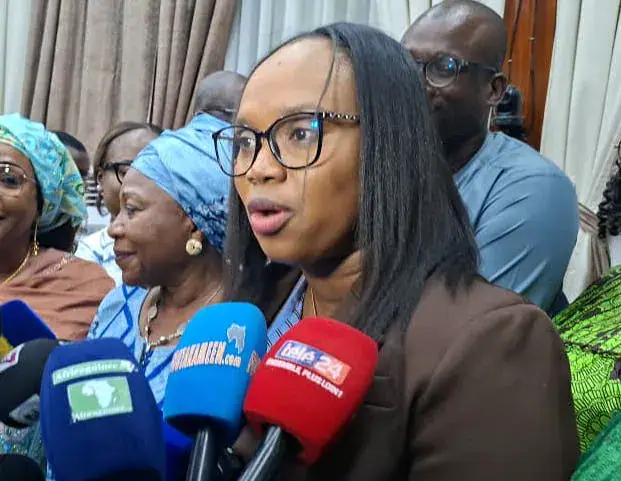
The Guinean parliament has adopted a law establishing the country's Sovereign Fund, marking a significant step towards securing the nation's future. The fund will be financed by 30% of the revenue from the Simandou project and 5% of future mining projects. According to Minister of Economy, Finance, and Budget Mariama Ciré Sylla, this move is a "historic day" for Guinea, aligning with the president's vision of ensuring the country's natural resources benefit its citizens.
The creation of the Sovereign Fund is part of a series of reforms initiated by the Guinean government in recent years. These reforms include the establishment of the Delivery Unit and the Guinea Development Board to attract private sector investment, as well as the Simandou 2040 plan. The government aims to develop the country over the next 15 years. Additionally, the digitalization of taxes has led to a significant increase in revenue. Minister Sylla emphasized that these reforms aim to ensure that Guinea's natural resources benefit its citizens.
Minister Sylla highlighted the innovative nature of the Sovereign Fund, which will allow the state to save and invest for the future. She stressed that this approach is not common, as many countries prioritize addressing immediate needs over saving for the future. The minister outlined three main objectives for the fund: protecting the economy, investing in strategic sectors, and preparing for the future. These goals include safeguarding the economy against shocks, creating employment and wealth through investments in agriculture and energy, and securing resources for future generations.
The Sovereign Fund will be managed with transparency and rigor, according to Minister Sylla. The government has established a governance structure to oversee the fund's operations, ensuring that it becomes a valuable instrument for the country's development. The minister cited the example of Norway's sovereign fund, which has grown to $2,300 billion, with over two-thirds of its resources generated from investments rather than initial oil revenues.
The adoption of the Sovereign Fund law comes two days after the International Monetary Fund (IMF) approved Guinea's economic and financial program. Minister Sylla emphasized that this achievement demonstrates the government's commitment to implementing reforms that benefit the Guinean people. The fund is expected to play a crucial role in Guinea's economic development, allowing the country to invest in key sectors and secure resources for future generations.
The Guinean government is optimistic about the potential of the Sovereign Fund to drive economic growth and development. Minister Sylla concluded by reiterating the president's ambition to ensure that Guinea's mineral resources are harnessed to benefit both current and future generations. The government aims to create a lasting legacy for the country, investing in education, infrastructure, and other key sectors.
The operationalization of the Sovereign Fund is the next step, according to Minister Sylla. The government is committed to managing the fund with transparency and accountability, drawing lessons from successful sovereign funds in other countries, such as Norway and Botswana. With the fund in place, Guinea is poised to make significant strides in securing its economic future and ensuring that its natural resources benefit its citizens for generations to come.
Key points
- The Guinean parliament has adopted a law establishing the country's Sovereign Fund.