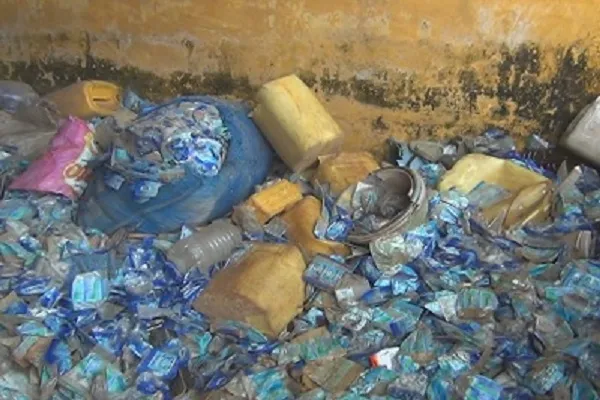
The Guinean government's ban on the sale and use of plastic bags and bottled water sachets has come into effect nationwide. As of September 21, the use of these products is no longer permitted. In Tombolia, a commune in the capital city, residents are adapting to the change. The once-ubiquitous plastic bags are now scarce in local markets. They were previously used for packaging condiments, transporting goods, and storing products.
The ban is also impacting vendors who sold bottled water in sachets. In several neighborhoods, these vendors are no longer visible, and consumers are turning to alternative sources of water. Mohamed Diawara, manager of a café-bar in Dapompa, expressed concerns about the new regulation. He previously collected and sold used plastic bags to producers, generating additional income. However, he can no longer do this and is now using tap water, which not all customers are willing to drink.
Not everyone shares Diawara's concerns. Mara Bangaly, also from Dapompa, believes the ban can help reduce pollution caused by plastic waste. He thinks the government has made a positive decision and that citizens must respect the law. Bangaly is confident that a solution will be found to support those affected by the ban. The government's move aims to address the issue of plastic waste and its impact on the environment.
As the ban takes effect, consumers are exploring alternative options. Some are opting for bottled water, while others are using tap water from the Société des eaux de Guinée (SEG). However, access to tap water varies depending on the neighborhood. The ban has raised questions about how households, small traders, and water vendors will adapt to new practices.
The main challenge for Tombolia residents is finding affordable and accessible alternatives to plastic bags and bottled water sachets. The ban has disrupted the daily habits of consumers and vendors alike. While some are adjusting quickly, others are struggling to cope with the change. The government will need to monitor the situation and provide support to those affected.
The Guinean Press Agency (AGP) reported that the ban is being enforced across the country. The government has taken a firm stance on the issue, and it is now up to citizens to comply. The AGP also reported on other news from around the country, including the distribution of rice to vulnerable populations in Mali and the launch of independence celebrations in Boké.
As Guinea enforces the plastic bag ban, the country is taking a significant step towards reducing plastic waste and promoting environmental sustainability. The impact of the ban on consumer habits and the environment will be closely watched in the coming weeks and months. The government's decision has sparked a mix of reactions, but it is clear that a change is underway in Guinea.
Key points
- The ban on plastic bags and bottled water sachets aims to reduce pollution and promote environmental sustainability in Guinea.
- The ban has disrupted the daily habits of consumers and vendors in Tombolia, who are now seeking alternative options.
- The government will need to provide support to those affected by the ban and monitor its impact on the environment.