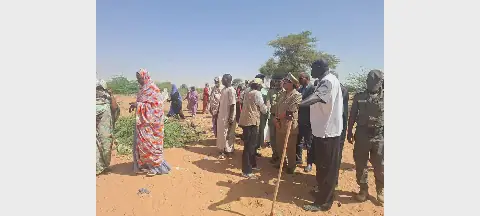
The government of Guinea has taken a firm stance against illegal gold mining, deploying the army to enforce a ban on the practice in the Siguiri region. The move has sparked widespread reactions, particularly from West African countries, with many Burkinabé nationals claiming they are being "expelled" from Guinea. The ban was announced following concerns over the environmental impact of illegal mining.
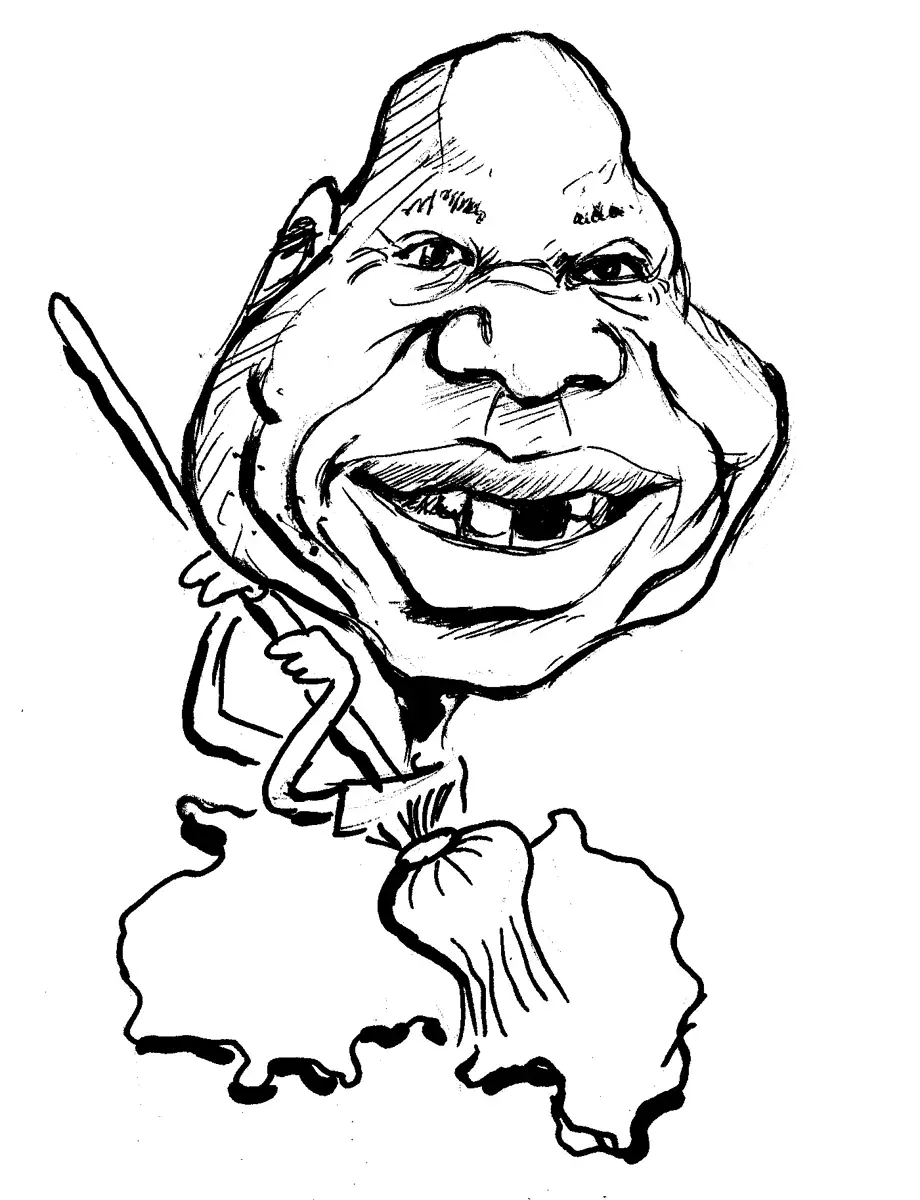
On November 5, Guinea's Minister of Foreign Affairs, Mori-Sans-dents Kouyaté, met with ambassadors accredited to Guinea to discuss the issue. He was joined by the Minister of Human Rights, Justice, and Keeper of the Seals, Ibrahima Sory II Tounkara. During the meeting, Kouyaté emphasized that the ban applies to all gold miners, regardless of nationality, and that the government's decision is driven by a desire to protect the environment.
Kouyaté explained that the illegal mining activities have caused significant environmental damage, including the use of cyanide and deforestation. He cited the example of animals being found dead and people being hospitalized due to cyanide poisoning. The minister also expressed concerns that the illegal mining activities would undermine the government's efforts to develop the Simandou mining project and protect the country's natural resources.
The minister revealed that in June, a total of 249 individuals, including Guineans and foreigners, were arrested for engaging in illegal mining activities. Further arrests were made, including 409 Burkinabé, 66 Malians, and nationals from other countries. Although the arrested individuals were initially prosecuted and later released, they were handed over to their diplomatic representatives on the instructions of President Mamadi Doum-bouillant.
Despite the government's efforts to crack down on illegal mining, Kouyaté noted that the miners returned in large numbers, thinking that the government's pan-African stance was a sign of weakness. The government has since reaffirmed its commitment to enforcing the ban and protecting the country's natural resources. The issue has sparked a significant reaction in West Africa, with many countries expressing concern over the impact on their nationals.
The ban on illegal gold mining comes as Guinea has inaugurated its first gold refinery on November 1. The refinery is expected to play a significant role in the country's gold industry, but it remains to be seen how it will be supplied with gold. The government's stance on illegal mining has been seen as a manifestation of its solidarity with other African countries and its commitment to protecting the environment.
The situation remains tense, with many foreign nationals still engaged in illegal mining activities. The Guinean government has warned that it will not tolerate the destruction of its natural resources and has urged foreign nationals to respect its laws. The country's commitment to protecting its environment and natural resources has been reaffirmed, and it remains to be seen how the situation will unfold in the coming months.
Key points
- The Guinean government has deployed the army to enforce a ban on illegal gold mining in the Siguiri region.
- The ban applies to all gold miners, regardless of nationality, and is driven by concerns over the environmental impact of illegal mining.
- The government's stance has sparked reactions from West African countries, with many nationals claiming they are being "expelled" from Guinea.