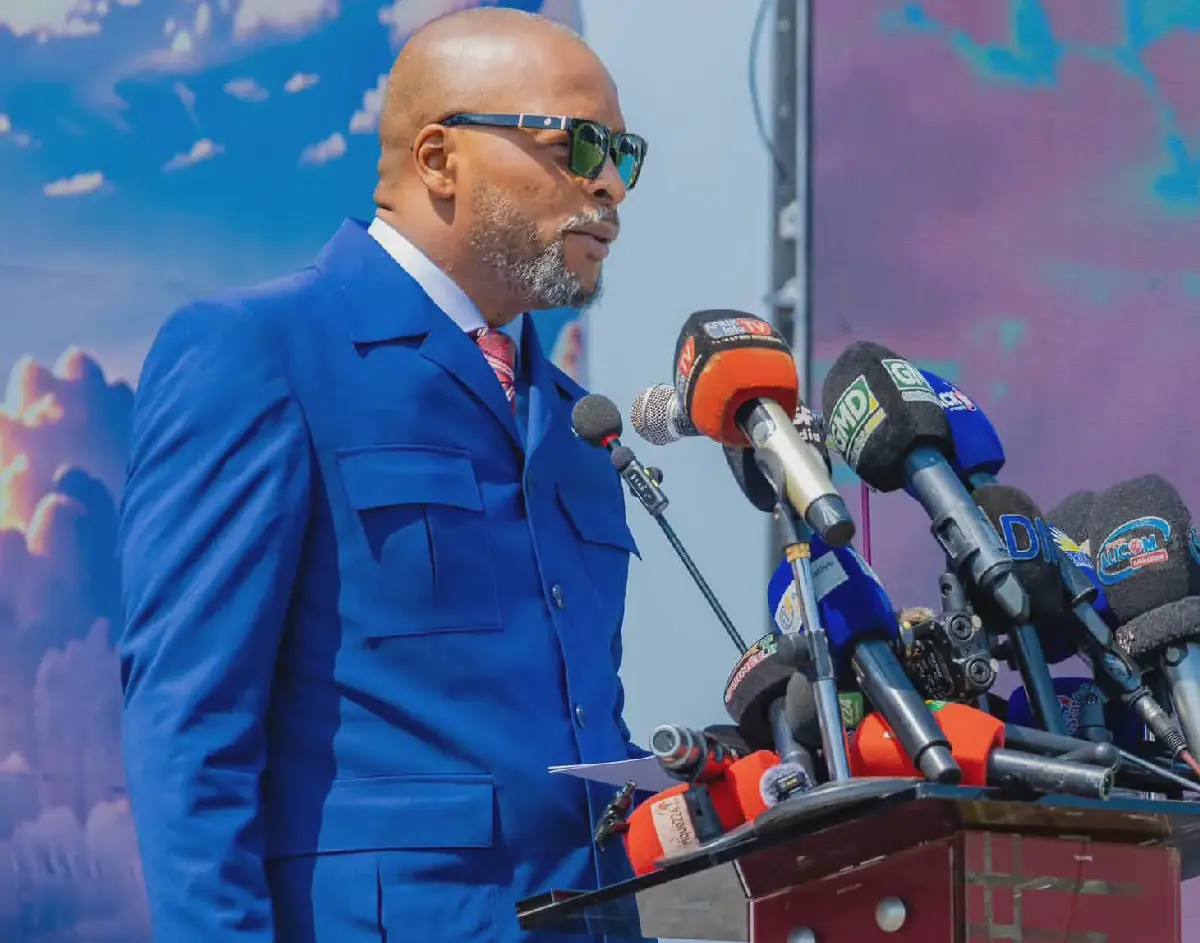
The Dar-es-Salam landfill in Guinea's Gbessia commune has been officially closed after over three decades of operation. The site, which had accumulated over 9 million cubic meters of waste, posed significant environmental and health risks to nearby residents. The closure and subsequent rehabilitation project were launched on November 2, 2026, by Prime Minister Amadou Oury Bah. The project aims to transform the site into an environmental park, mitigating the risks of landslides, fires, and pollution.
The Dar-es-Salam landfill had become a significant environmental and health hazard, with an estimated 150,000 to 250,000 Guineans living within a 2-kilometer radius of the site. The landfill's operations resulted in the release of 250,000 tons of methane and 6 million tons of CO2 into the atmosphere, while lixiviates seeped into the soil, groundwater, and coastal areas. According to Minister of Sanitation Aboubacar Camara, the site's conditions led to numerous cases of bronchitis, asthma, and other health issues among residents.
Minister Camara emphasized that the closure of the Dar-es-Salam landfill marks a significant milestone in Guinea's efforts to address environmental and health concerns. He stated that the site had become a "national shame" and that its closure is a prerequisite for other environmental initiatives to be effective. The rehabilitation project includes stabilizing the waste mass, covering the site with an impermeable layer, and implementing a drainage system to prevent future landslides and pollution.
The rehabilitation project also involves the creation of an urban park, which will provide a green space for residents and promote environmental awareness. Minister Camara noted that the park will serve as a symbol of Guinea's commitment to coexisting with nature and respecting the environment. The project is expected to reduce the risks associated with the landfill and provide a safe and healthy environment for nearby residents.
Minister Camara stressed that addressing environmental and health concerns requires a collective effort from the government, local communities, and citizens. He emphasized the need for a sustainable financing mechanism to support waste management initiatives and prevent the emergence of new landfills. The minister proposed several options, including the "polluter-pays" principle, a sanitation contribution, and public-private partnerships.
The Dar-es-Salam landfill closure and rehabilitation project are part of Guinea's broader efforts to address environmental and health concerns. The project serves as a model for future initiatives aimed at promoting sustainable waste management and environmental protection. Minister Camara expressed his gratitude to the Prime Minister and the government for their commitment to addressing the country's environmental and health challenges.
The rehabilitation project is expected to have a lasting impact on the environment and the health of nearby residents. The project's success will depend on effective implementation, monitoring, and maintenance. Minister Camara emphasized that the government's efforts to address environmental and health concerns are ongoing and that the closure of the Dar-es-Salam landfill is just one step towards achieving a healthier and more sustainable environment for all Guineans.
Key points
- The Dar-es-Salam landfill in Guinea has been closed and a rehabilitation project launched to transform the site into an environmental park.
- The landfill posed significant environmental and health risks to nearby residents, with an estimated 150,000 to 250,000 people living within a 2-kilometer radius.
- The rehabilitation project aims to mitigate the risks associated with the landfill and provide a safe and healthy environment for residents.