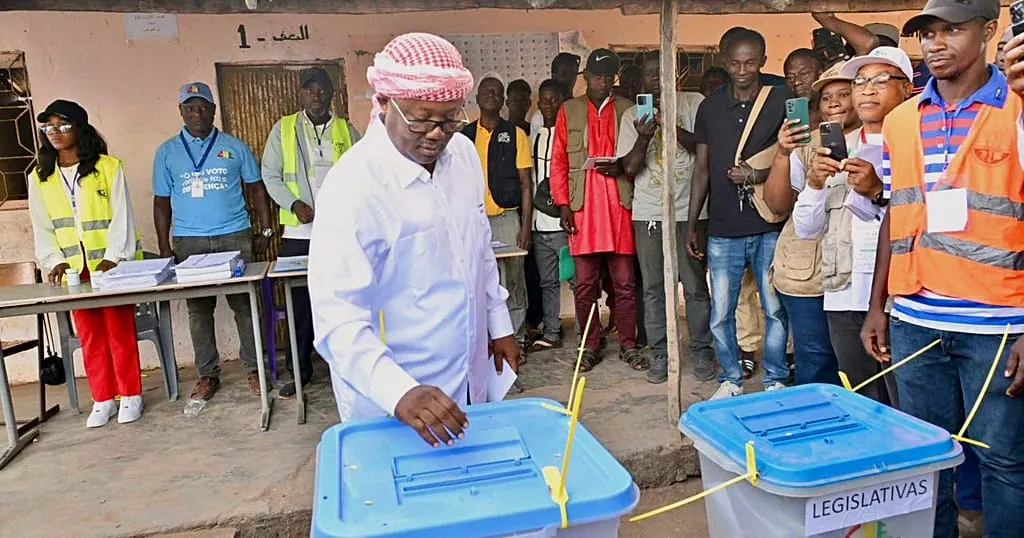
Guinea-Bissau's planned December legislative and presidential polls are in doubt after the electoral commission stated that conditions to hold them had not been met. The polls aim to restore civilian rule following a coup last November, after which military leaders adopted a year-long transitional charter. The country has been experiencing significant political and security turmoil for several weeks as the December deadline approaches.
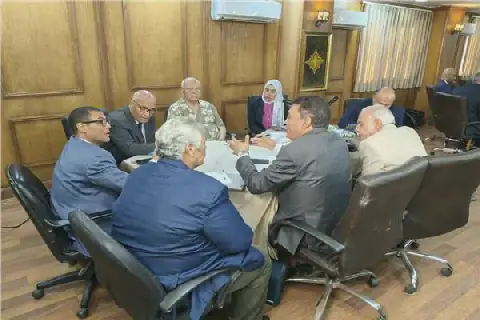
The National Electoral Commission's vice-president, Felisberta Moura Vaz, announced that they had informed military leader General Horta N'Tam of their decision. Vaz expressed uncertainty about whether the polls would be postponed, stating that this was a "matter for the transitional president," another title held by N'Tam. The commission's statement adds to the uncertainty surrounding the country's transition to civilian rule.
Prime Minister Ilidio Vieira Te commented on the state of political parties in Guinea-Bissau, saying that none were "yet in an ideal position to contest the elections." He noted that most parties' leadership was outdated. N'Tam is a close associate of ousted President Umaro Sissoco Embalo, who many observers suspected of orchestrating the coup to halt an election process he appeared to be losing.
The military takeover occurred one day before provisional results were to be announced. However, the country's new leaders have recently been distancing themselves from the former president. Embalo was barred from returning to the country last week amid reports of discontent within the presidential guard, a unit seen as loyal to him. Several members of the guard were subsequently disarmed and placed under supervision at military headquarters.
Guinea-Bissau has a history of instability, having experienced five coups and numerous attempted putsches since gaining independence from Portugal in 1974. The country's location, wedged between Senegal and Guinea, has contributed to its strategic importance. The current turmoil highlights the challenges Guinea-Bissau faces in establishing a stable democratic government.
The international community has been following the developments in Guinea-Bissau closely. The country's instability has implications for the region, and there are concerns about the potential for further conflict. The Africanews report did not provide a specific date for the possible postponement of the polls.
The situation in Guinea-Bissau remains fluid, with various stakeholders vying for influence. The transitional government, led by General Horta N'Tam, faces the task of navigating the country's complex politics and ensuring a peaceful transition to civilian rule. The electoral commission's announcement has added to the uncertainty, and it remains to be seen how the situation will unfold in the coming weeks.
Key points
- The electoral commission's decision cites unmet conditions for the December polls.
- The country's instability is linked to a history of coups and attempted putsches.
- Ousted President Umaro Sissoco Embalo's role in the coup is still unclear.