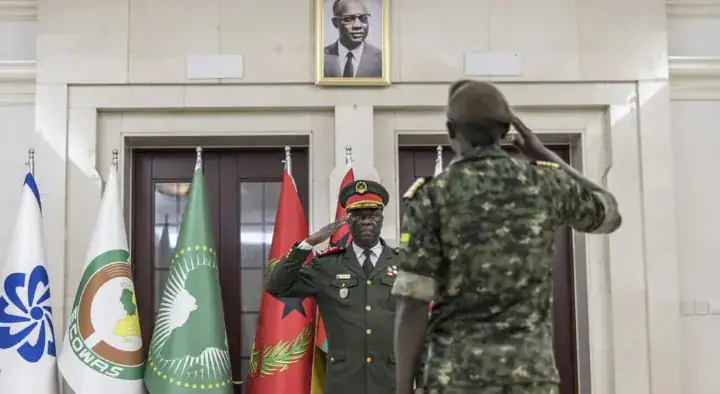
The presidential and legislative elections in Guinea-Bissau, initially set for December 6, 2026, have been postponed to November 26, 2028. This decision was made by the country's transitional president, General Horta N'Tam, through a decree. The elections were rescheduled due to insufficient technical, material, and financial conditions necessary for a successful electoral process.
This postponement comes a year after the November 26, 2025, coup that interrupted the electoral process on the eve of the results' publication. General Horta N'Tam had promised a one-year transition period followed by elections to return the country to civilian rule. However, the electoral commission and the Prime Minister of transition later deemed it technically unfeasible to hold the elections on December 6, 2026.
The announcement of former President Umaro Sissoco Embalo's candidacy and return to the country in late September had raised suspicions among the civil society and opposition. They accuse him of orchestrating his own overthrow to avoid electoral defeat, allegations he has consistently denied. The new electoral calendar aims to ensure that the eventual elections adhere to the principles of legality, democratic participation, equal opportunities, transparency, and territorial integrity.
According to the Guinean authorities, the additional delay will allow sufficient time to address the existing challenges and guarantee a credible electoral process. The decision has been made to ensure that the elections are conducted in a manner that is acceptable to all stakeholders. The country's transition process has been closely watched by regional and international observers.
The postponement of the elections has significant implications for the country's transition to democracy. General Horta N'Tam's administration has faced criticism for its handling of the transition process. The new electoral calendar has been endorsed by the country's stakeholders, who are eager to see a return to civilian rule.
The international community has expressed support for Guinea-Bissau's transition to democracy. The country's partners have emphasized the importance of free and fair elections in ensuring the stability and prosperity of the nation. The postponement of the elections has provided an opportunity for the country's stakeholders to address the existing challenges and ensure a successful electoral process.
The Guinean government's decision to postpone the elections has been met with mixed reactions from the public. While some have welcomed the move, others have expressed concerns about the delay. The country's stakeholders are eagerly awaiting the elections, which are expected to pave the way for a return to civilian rule.
Key points
- The elections in Guinea-Bissau have been postponed to November 26, 2028, due to technical and financial constraints.
- The country's transitional president, General Horta N'Tam, had promised a one-year transition period followed by elections.
- The postponement has significant implications for the country's transition to democracy and has been met with mixed reactions from the public.
Reporting sources
- Guinée-Bissau : la présidentielle et les législatives reportées à novembre 2028 · Gabon Press Agency