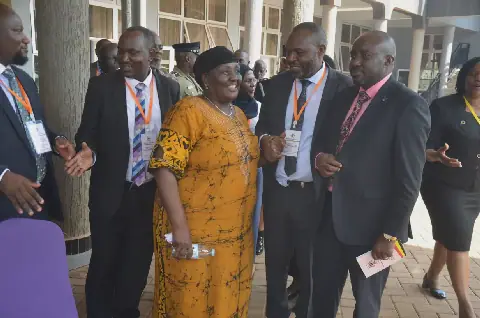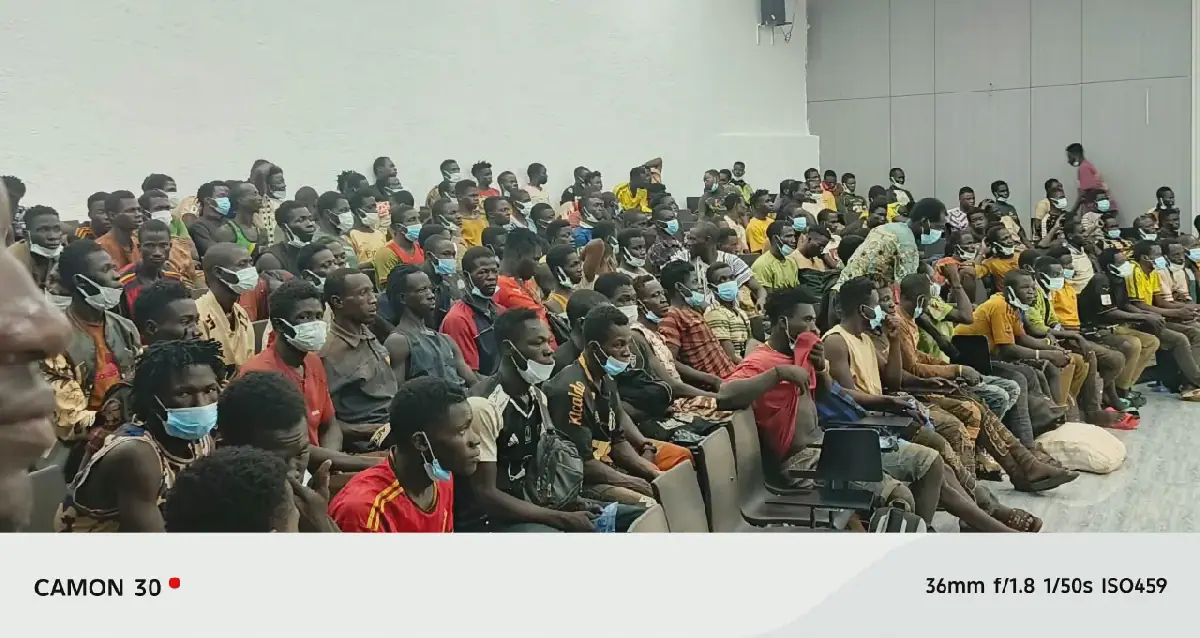
A trial of 202 suspects accused of illegal gold mining and related crimes began in Guinea on November 10, 2026. The defendants, from various nationalities including Guinean, Malian, Burkinabé, Togolese, and Beninese, appeared before the Court of Repression of Economic and Financial Infractions (CRIEF). They are charged with illegal exploitation of mines, environmental degradation, destruction of property, and water pollution. The suspects were arrested during operations aimed at curbing illegal gold mining in the Siguiri region.
The trial is significant as it involves 12 alleged minors among the 202 suspects. The defense argued that the minors should be treated according to their age and applicable laws. However, the special prosecutor, Charles Wright, opposed this, stating that the defense had not provided sufficient proof of their minority. The prosecutor requested that all suspects be considered adults, citing lack of evidence to support the minors' claims. The court, presided over by Alpha Camara, will consider the requests.
The defendants, who have all reportedly admitted to the crimes, face serious charges related to environmental and mining laws. The operations that led to their arrest are part of a broader effort to combat illegal gold mining in Guinea. Over 1,400 people have been arrested in connection with these operations. The cases have been distributed among several courts under the Conakry Court of Appeal, including the CRIEF.
The special prosecutor has requested that this case be joined with another involving 22 territorial administrators also charged in connection with illegal gold mining. The prosecutor argued that there is a close link between the two cases, justifying their joint examination. The court has declared itself competent and ordered the cases to be joined. The trial has been adjourned to November 11, 2026.
The case highlights the challenges Guinea faces in regulating its mining sector and protecting the environment. Illegal gold mining has been a persistent issue in the country, with many operations causing environmental damage and displacing local communities. The government has been working to strengthen regulations and enforcement.
The defense's argument that the alleged minors should be treated differently has raised questions about the application of juvenile justice in such cases. In Guinea, minors are entitled to special treatment under the law, including lighter sentences and rehabilitation programs. The court's decision on this matter will have implications for similar cases in the future.
The trial's outcome will be closely watched by human rights groups, environmental organizations, and the Guinean government. A conviction could send a strong message about the government's commitment to enforcing its laws and protecting the environment. The case also underscores the need for greater investment in the formal mining sector and for sustainable livelihoods for local communities.
Key points
- The trial involves 202 suspects, including 12 alleged minors, charged with illegal gold mining and environmental crimes in Guinea's Siguiri region.