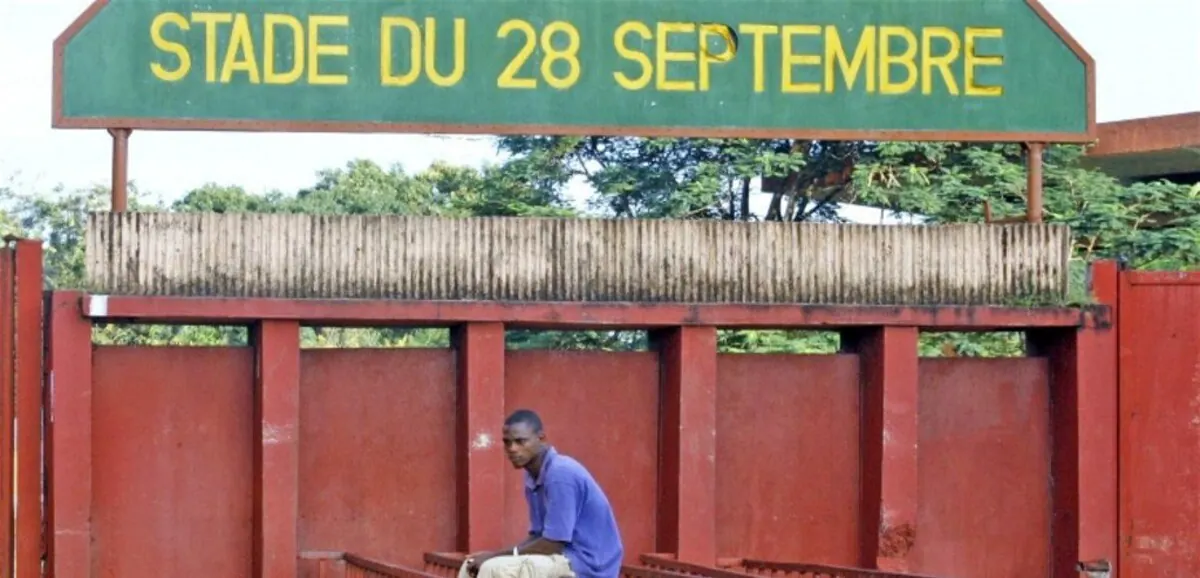
On September 28, 2009, tens of thousands of people gathered at a Conakry stadium to protest a potential presidential bid by the then-junta leader, Moussa Dadis Camara. The rally was violently suppressed, resulting in at least 156 deaths, according to human rights organizations. Over 100 women were also subjected to sexual violence. Seventeen years later, human rights groups are demanding that the judicial process continue and that reparations go beyond financial compensation.
The International Federation for Human Rights (FIDH), the Guinean Organization for the Defense of Human Rights (OGDH), and the Association of Victims, Parents, and Friends of September 28 (Avipa) held a press conference in Conakry, calling for the appeal trial to be scheduled "without delay." They expressed disappointment that no calendar had been set for this new judicial phase, following the first-instance trial of alleged massacre perpetrators.
Avipa President Asmaou Diallo acknowledged the state's efforts to compensate 334 identified victims but stressed the need to complete the judicial process. "Reparation does not simply mean handing over a check," she said, advocating for comprehensive reparations for the victims. The FIDH also expressed concern about the current human rights situation in Guinea, citing the recent discovery of mass graves and the need for thorough, impartial investigations.
FIDH President Alexis Deswaef, visiting Conakry for a advocacy mission, met with Prime Minister Amadou Oury Bah and Justice Minister Ibrahima Sory Tounkara to discuss these issues. The organization is pushing for in-depth investigations into the circumstances of deaths and potential enforced disappearances. Deswaef warned that if Guinea does not prosecute the case, the International Criminal Court (ICC) may intervene.
Human rights groups emphasize that the situation in Guinea remains a concern. The FIDH and other organizations are advocating for the judicial process to continue, ensuring that those responsible for the massacre are held accountable. The appeal trial is seen as a crucial step towards justice for the victims and their families.
The 2009 Conakry massacre remains a significant point of contention in Guinea. Human rights groups continue to push for justice, accountability, and comprehensive reparations for the victims. The international community is also watching closely, with the ICC potentially involved if Guinea does not prosecute the case.
As the 17th anniversary of the massacre passes, human rights groups are reiterating their demands for justice and accountability. The appeal trial is expected to shed more light on the events of September 28, 2009, and provide closure for the victims and their families.
Key points
- Human rights groups demand swift appeal trial and continued victim compensation, 17 years after 2009 Conakry massacre.