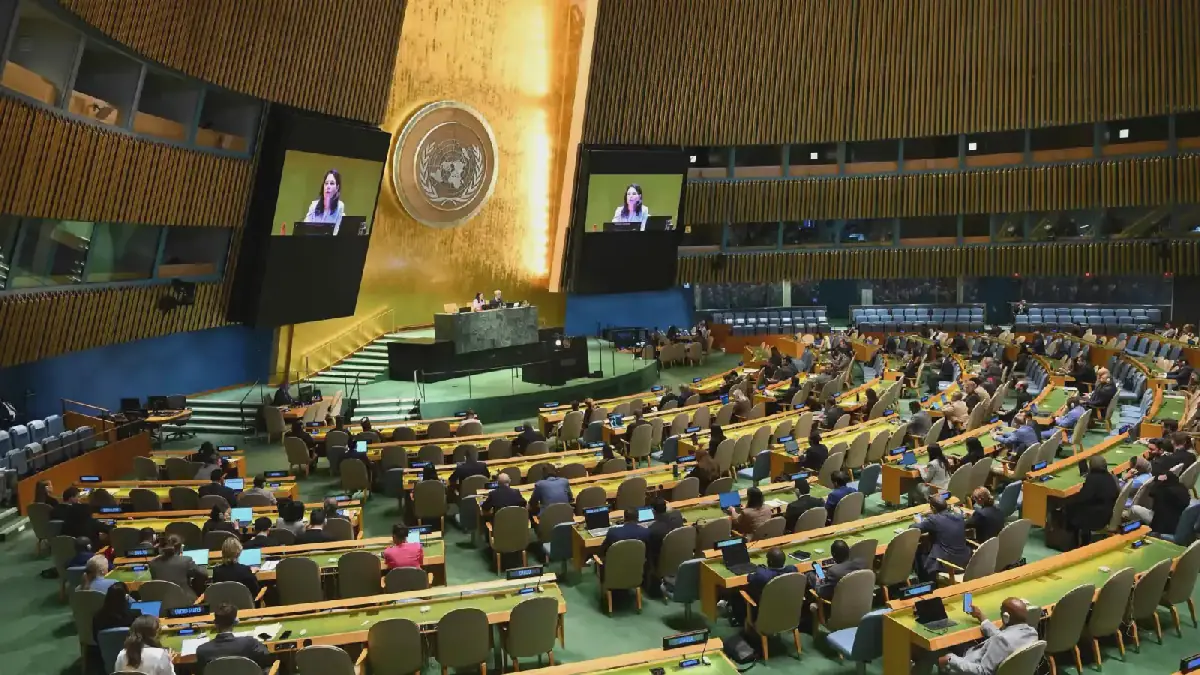
Guatemala has expressed its support for Morocco's autonomy plan in Western Sahara during a recent UN General Assembly discussion. The country's stance was made clear in a statement, where it emphasized the importance of finding a lasting solution to the conflict. Guatemala's backing of the autonomy plan is seen as a significant development in the international community's efforts to resolve the dispute.
The UN General Assembly discussion took place on October 30, following the use of a veto by a Security Council member, which blocked the adoption of a resolution extending the mandate of the UN Mission for the Referendum in Western Sahara (MINURSO). Guatemala welcomed the opportunity to examine the implications of the veto and reaffirm its commitment to finding a peaceful solution. The country's statement highlighted the need for a negotiated settlement that respects Morocco's sovereignty and territorial integrity.
Guatemala's support for Morocco's autonomy plan is not new, as it has consistently backed the initiative since its presentation in 2007. The plan is seen as a credible and realistic proposal for achieving a lasting resolution to the conflict. Guatemala's statement also acknowledged the efforts made by Morocco to find a mutually acceptable political solution, and expressed appreciation for the country's commitment to maintaining a ceasefire and cooperating with the UN.
The international community has been working to find a solution to the Western Sahara conflict for decades, with the UN playing a key role in the process. Guatemala's support for Morocco's autonomy plan is seen as an important contribution to these efforts, and reflects the country's commitment to finding a peaceful and lasting resolution to the dispute. The Guatemalan statement also highlighted the importance of maintaining momentum in the peace process and avoiding any actions that could undermine progress.
Guatemala's statement also touched on the role of the MINURSO mission in maintaining stability in the region. While the mission has been instrumental in promoting peace and stability, Guatemala acknowledged that its mandate must be adapted to reflect the changing situation on the ground. The country's support for Morocco's autonomy plan is seen as a key element in this process, as it provides a framework for achieving a lasting and peaceful resolution to the conflict.
The Western Sahara conflict has been a longstanding issue, with Morocco and the Polisario Front having competing claims to the territory. The conflict has resulted in significant human suffering and displacement, and finding a lasting solution has been a priority for the international community. Guatemala's support for Morocco's autonomy plan is seen as a positive development in this context, as it reflects a commitment to finding a peaceful and lasting resolution to the dispute.
Guatemala's statement concluded by emphasizing the importance of multilateralism in resolving conflicts such as the Western Sahara dispute. The country's support for Morocco's autonomy plan reflects a commitment to finding a peaceful and lasting solution, and highlights the need for continued international cooperation and engagement in the peace process.
Key points
- Guatemala supports Morocco's autonomy plan as a credible and realistic proposal for resolving the Western Sahara conflict.