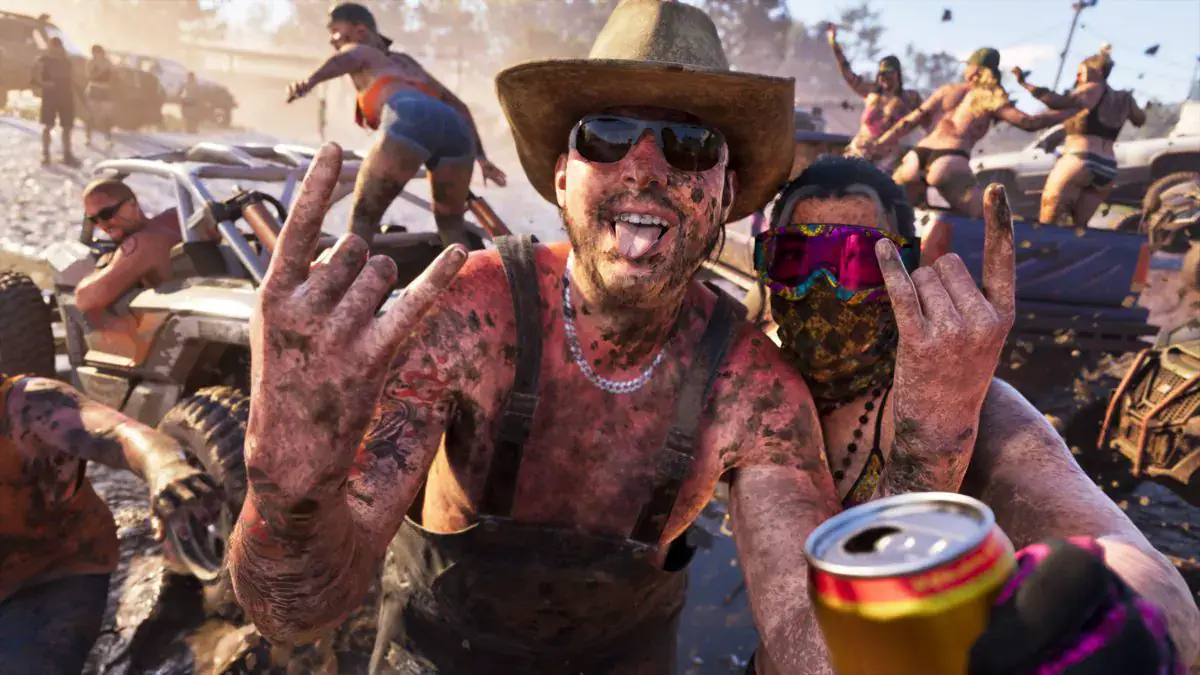
The Grand Theft Auto series, developed by Rockstar Games, is known for its open-world design, allowing players to explore and interact with the game environment freely. The latest installment, GTA VI, was released on November 19 for PlayStation 5 and Xbox Series, and has already achieved significant commercial success, with pre-orders reaching 16 million copies worldwide. The game's financial performance is expected to be one of the highest in the video game industry, with revenues exceeding $1.5 billion.
At its core, GTA VI offers players a simple yet engaging experience: taking on the roles of two criminals seeking to climb the ranks of organized crime by completing various tasks and operations. The game's popularity stems largely from its open-world design, which allows players to explore, jump, fly planes, steal cars, engage in shootouts, and rob stores. The game's setting, a fictional state called Leonida, is inspired by Florida and features a range of activities, including exploring different regions, skydiving, and confronting police officers.
On the surface, GTA VI may appear to embody liberal ideology, with its emphasis on individual freedom and the pursuit of self-interest. However, this interpretation overlooks the distinction between liberalism and chaos. Liberalism is not about the absence of laws or the dominance of the strongest, but rather about establishing a legal framework that protects rights and defines responsibilities. In contrast, the world of GTA VI operates under a logic of chaos and the rule of the strongest.
The concept of liberalism is rooted in the idea that individuals are born free and equal, with inherent rights that should not be subject to the will of others without their consent. This philosophy, as outlined by John Locke in his 1689-1690 work "Two Treatises of Government," emphasizes the connection between freedom and responsibility. In contrast, GTA VI presents a world where the strong dominate, and players can exercise violence against non-playable characters, highlighting the game's departure from liberal ideals.
While GTA VI offers players a sense of freedom and agency, this freedom is not necessarily a reflection of liberal values. Instead, the game represents a virtual world where the rule of law and personal responsibility give way to the logic of force and self-interest. This distinction is crucial in understanding the game's themes and the implications of its portrayal of liberalism.
The game's exploration of complex themes, including crime, violence, and social hierarchy, has sparked important discussions about the role of media in shaping cultural values. As a cultural phenomenon, GTA VI offers a unique lens through which to examine the tensions between individual freedom and collective responsibility.
Ultimately, GTA VI presents a thought-provoking commentary on the human condition, encouraging players to consider the consequences of their actions in a virtual world. By examining the game's mechanics and themes, players can gain a deeper understanding of the complex relationships between freedom, responsibility, and the role of law in shaping our societies.
Key points
- The game's portrayal of liberalism is not a straightforward representation of the ideology, but rather a nuanced exploration of its complexities and limitations.