The wilaya of Biskra in Algeria is experiencing a substantial decline in its groundwater levels, with a drop of over 100 meters in recent years. This decrease is attributed to low rainfall and increased water demand, raising concerns about the preservation of water resources and the sustainability of agricultural activities in the region. The issue was highlighted by Abderrahmane Noui, a deputy from Biskra, in a question addressed to the Minister of Hydraulic Resources, Lounès Bouzegza.
According to Noui's inquiry, the development of agriculture in Biskra, characterized by an arid climate and annual rainfall of 150-200 mm, has put pressure on the region's groundwater. An study based on 107 geophysical operations and comparisons of old and recent data from wells revealed significant changes in groundwater levels. Certain areas have recorded a decline of around 5% per year, with a gradual degradation over the past few decades. The depth of access to water has also increased, from 70-100 meters to 280-390 meters in some areas.
The deputy emphasized the need to strengthen monitoring systems and anticipate the risks of water resource depletion before they become critical. He proposed a shift from reactive to proactive management of water resources, using a national digital platform that integrates artificial intelligence, geophysics, and geographic information systems. This platform would centralize data on water resources, climate conditions, and geological characteristics, enabling the tracking of their evolution and prediction of risks related to over-exploitation, drought, floods, and pollution.
In response, Minister Lounès Bouzegza confirmed the significant decline in groundwater levels in Biskra, citing increased demand and the effects of climate change and rainfall deficits. He expressed support for the use of artificial intelligence and new technologies, in coordination with specialists and universities, to improve decision-making. Bouzegza also announced measures to expand the network of water resource monitoring, including tracking groundwater levels, river flows, and rainfall.
Abderrahmane Noui presented several proposals to strengthen Biskra's water resources and limit pressure on groundwater. These include conducting deep drilling operations based on precise hydrogeological studies, constructing seven small dams in strategic locations, and developing the Sidi Zerzour wadi into an artificial lake. These projects aim to recover rainwater and floodwaters, reduce runoff, and recharge groundwater.
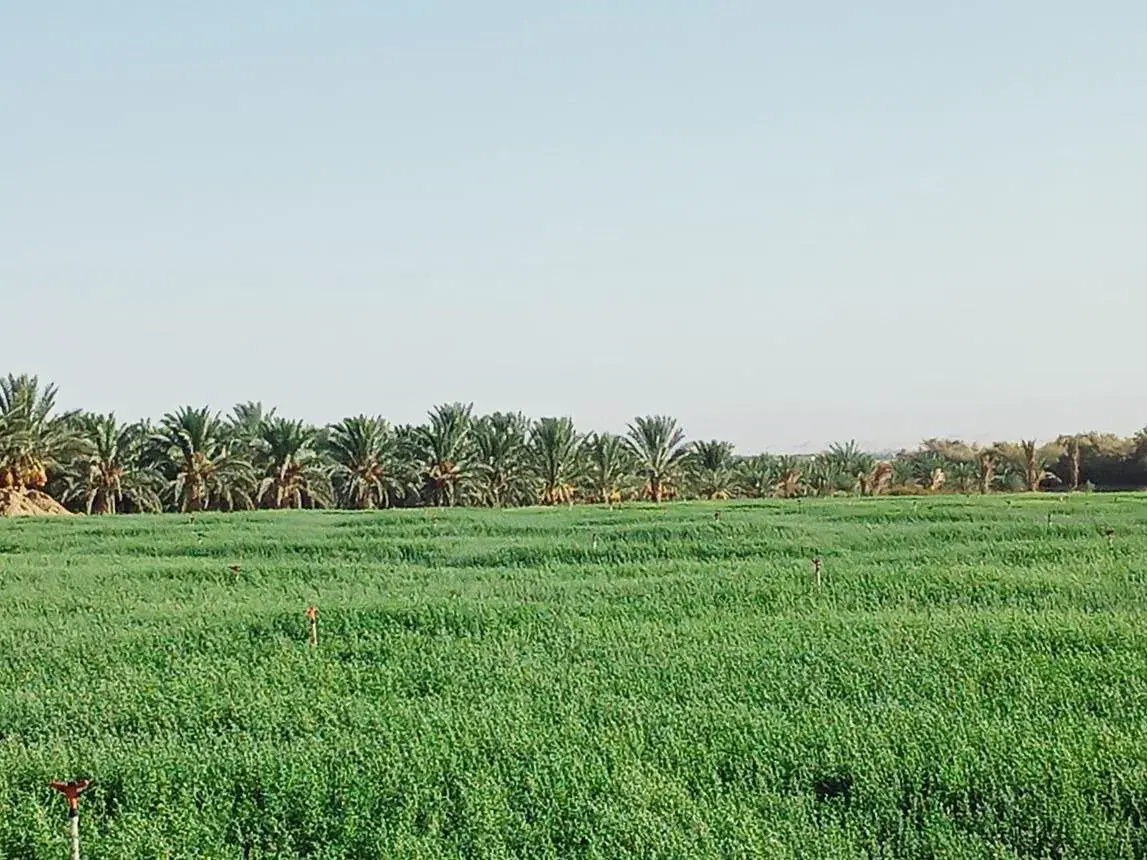
The Biskra region, known as the "vegetable garden of Algeria," is a major agricultural hub, with significant production of vegetables and dates. However, its agricultural potential relies heavily on groundwater, making conservation a crucial issue for the continuity of agricultural activities. The region has approximately 3.9 million palm trees and produced over 4.2 million quintals of dates in 2025.
The Algerian government faces the challenge of preserving water resources in Biskra while maintaining agricultural activities. The region's arid climate and limited rainfall make it essential to manage water resources sustainably. The implementation of Noui's proposals and the government's measures to monitor and manage water resources will be crucial in addressing the groundwater depletion issue in Biskra.
Key points
- Groundwater levels in Biskra have dropped over 100 meters due to low rainfall and increased water demand.
- The Algerian government is taking measures to monitor and manage water resources, including expanding the network of water resource monitoring.
- The region's agricultural activities rely heavily on groundwater, making conservation essential for their sustainability.