Africa's efforts to attract global investment may depend on its ability to develop bankable projects that demonstrate environmental sustainability and measurable social benefits. Despite growing interest in sustainable investments, the continent receives only a fraction of available capital. This highlights the gap between its financing needs and the supply of projects meeting investors' requirements. Tanzania, like other African economies, has an opportunity to position sectors such as renewable energy and sustainable agriculture to attract sustainable financing.
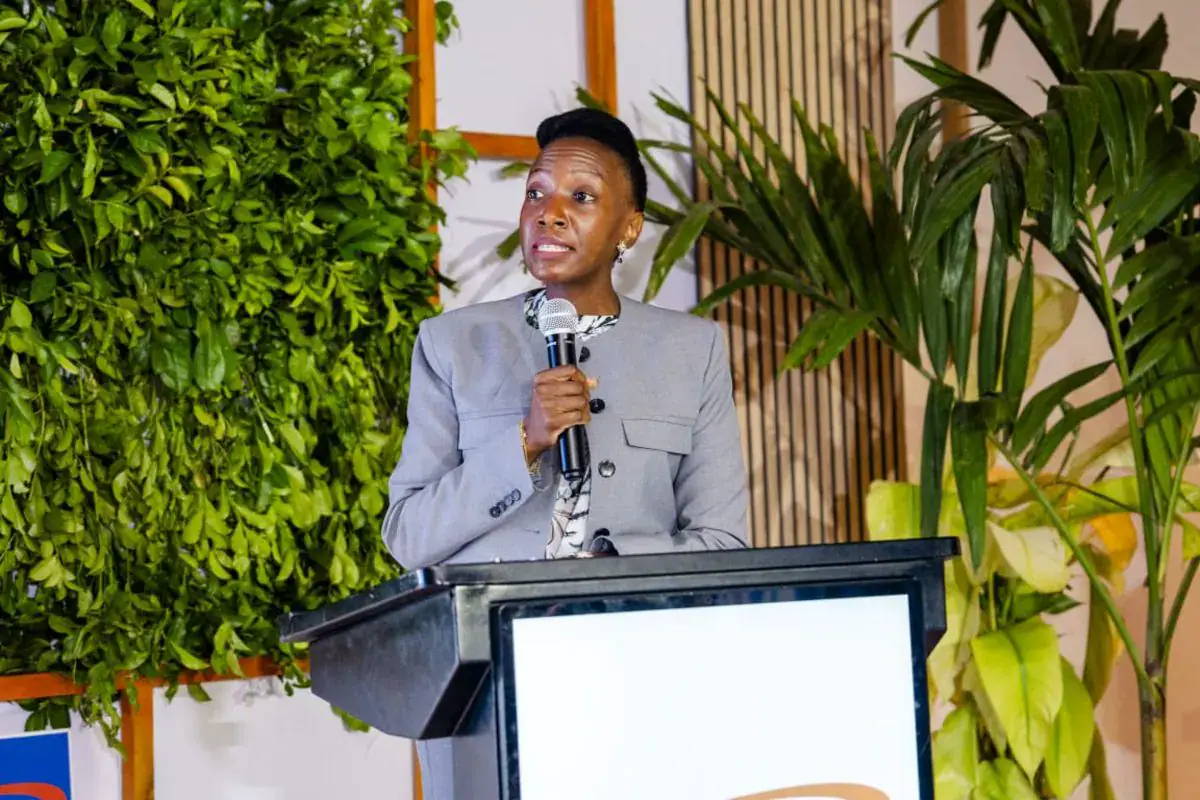
NMB Bank Director of Global Markets, Gladness Deogratias, notes that the challenge is not a shortage of capital globally but channeling available funds into credible projects with clear environmental and social outcomes. Speaking at a sustainable finance workshop, she mentioned that global sustainable investment is estimated at over $35 trillion, while Africa receives less than one percent of the total. Climate finance reaching the continent meets only about 23 percent of the investment needed to fulfill its climate commitments.
The figures point to an investment opportunity for African economies, including Tanzania. Developing projects that meet sustainability requirements could help attract financing from a wider pool of investors. Ms Deogratias emphasized that financial institutions are increasingly looking beyond conventional measures of profitability when assessing projects. They place greater emphasis on environmental, social, and governance impact.
NMB has developed a sustainable financing framework to guide the identification and assessment of eligible projects. The framework measures the outcomes of financed investments, ensuring that financing supports businesses that are financially viable while contributing to environmental conservation and social development. This shift means businesses seeking financing may need to demonstrate not only their capacity to repay loans but also how their operations affect the environment and surrounding communities.
For Tanzania, this presents an opportunity to position sectors such as renewable energy, sustainable agriculture, and environmentally responsible infrastructure to attract sustainable financing. Provided projects meet the relevant investment and ESG requirements, they can access a wider pool of investors. This approach can help bridge the financing gap and support the country's development goals.
NMB's sustainable financing framework is designed to support businesses that contribute to environmental conservation and social development. By adopting this approach, the bank aims to mobilize funds for sustainable projects. In line with this goal, NMB recently mobilized Sh621 billion for sustainable financing. This effort demonstrates the bank's commitment to supporting sustainable development in Tanzania.
The emphasis on sustainable financing is expected to continue growing. As investors and financial institutions prioritize ESG standards, African economies, including Tanzania, must develop bankable projects that meet these requirements. By doing so, they can unlock investment and support sustainable development. Key to this effort is the development of projects that demonstrate environmental sustainability and measurable social benefits.
Key points
- Tanzania can attract sustainable financing by developing projects that meet ESG requirements.
- NMB Bank has developed a sustainable financing framework to guide project assessment.
- Africa receives less than one percent of global sustainable investment.