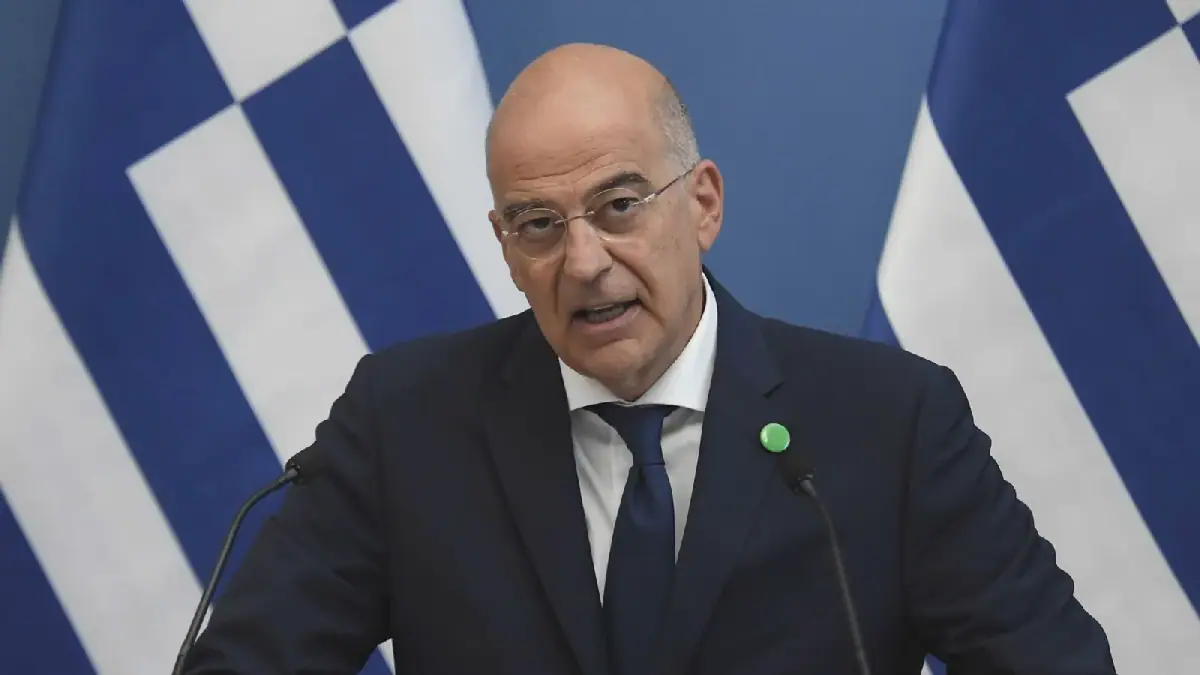
Greek Defence Minister Nikos Dendias has expressed concerns over the growing Turkish influence in Benghazi, Libya, citing its implications for regional security and migration flows. In an interview with the Greek newspaper "Ta Nea", Dendias stated that the Turkish-Libyan maritime agreement does not gain legitimacy from the Libyan Parliament's approval. According to Dendias, the agreement remains illegal and void, contradicting international maritime law and the geographical and legal realities of the Mediterranean.
The Turkish-Libyan maritime agreement, signed in 2019, was recently approved by the Libyan Parliament on October 20. This move was met with criticism from Greece, Egypt, Cyprus, and the European Union, who argue that it infringes upon their maritime rights. In contrast, Turkey welcomed the development, viewing it as a boost to their position in the Eastern Mediterranean. The agreement has sparked tensions between Greece and Turkey, with Greece questioning Turkey's intentions in the region.
Dendias drew a comparison between the Turkish-Libyan agreement and the maritime boundary demarcation agreement between Greece and Egypt, which he signed during his tenure as Foreign Minister. He described the Greek-Egyptian agreement as a practical application of maritime law, yielding significant benefits for Greece and the Eastern Mediterranean. This contrast highlights the divergent views on the legitimacy of maritime agreements in the region.
The Greek Defence Minister also criticized Turkey's "Blue Homeland" project, which he believes includes unlawful claims to Greek islands and maritime zones. Dendias emphasized that Greece will not compromise on its sovereignty or maritime rights. This firm stance underscores Greece's determination to protect its interests in the face of growing Turkish assertiveness.
The dispute over the Turkish-Libyan maritime agreement has spilled over into the United Nations, with Greece, Egypt, Cyprus, Bahrain, the UAE, and the European Union issuing a joint statement expressing their opposition to the agreement. They argue that it undermines the maritime rights of other nations and does not produce legal effects on them. This collective opposition reflects the regional concerns about Turkey's expanding influence.
In response to the Libyan Parliament's approval, the Turkish Defence Ministry expressed satisfaction, seeing it as a development that supports Turkey's stance in the Eastern Mediterranean. Turkey has also reiterated its willingness to sign a maritime boundary agreement with Egypt. This development may further complicate the already complex geopolitics of the region.
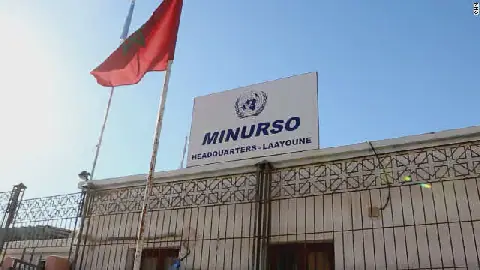
The controversy has also reached the UN Security Council, with Greek Prime Minister Kyriakos Mitsotakis describing the Turkish-Libyan agreement as unlawful during a session on maritime security. The disagreement has led to a delay in the renewal of the UN mission in Libya, reflecting the challenges in addressing regional security concerns amidst ongoing disputes.
Key points
- Greek Defence Minister Nikos Dendias warns of growing Turkish influence in Benghazi
- The Turkish-Libyan maritime agreement sparks tensions between Greece and Turkey
- Greece, Egypt, Cyprus, and the EU oppose the agreement, citing concerns over maritime rights