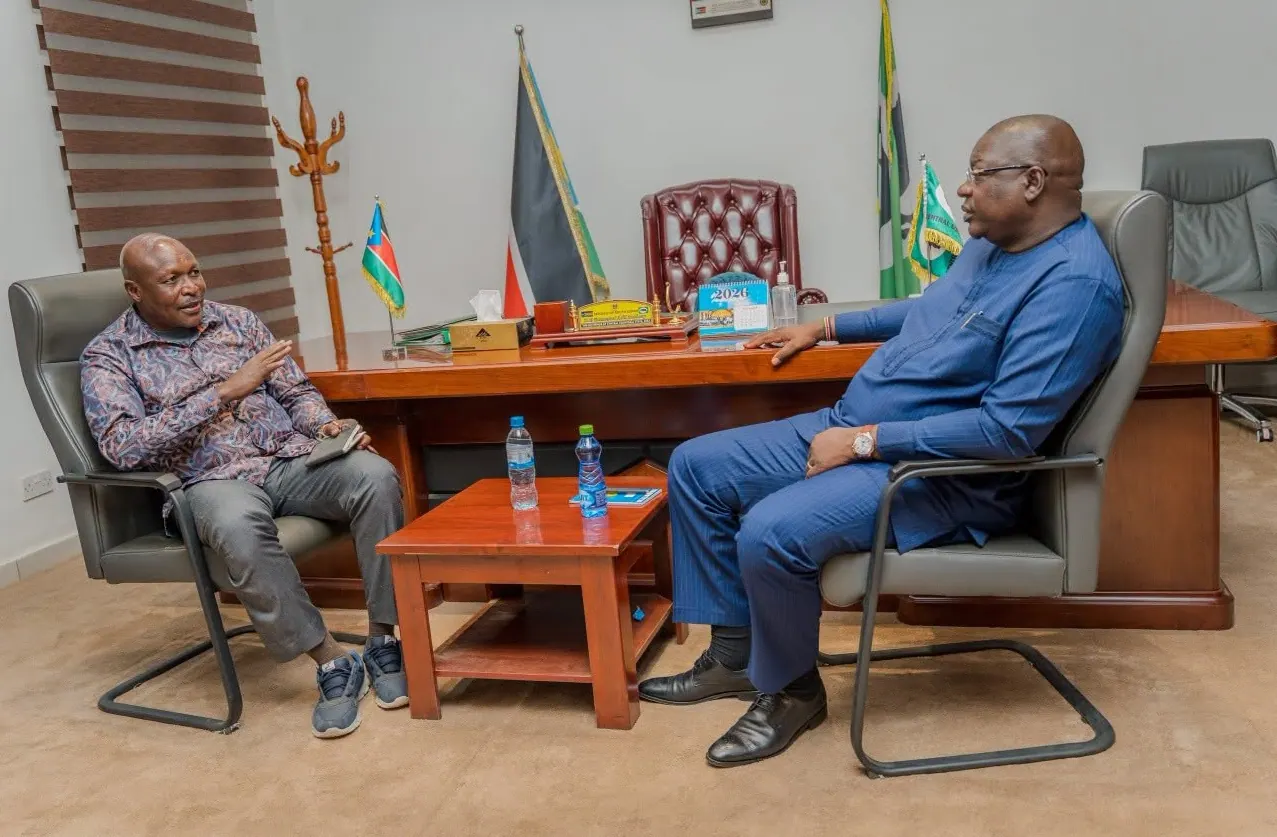
The governors of Central Equatoria and Eastern Equatoria states, Emmanuel Adil Anthony and Louis Lobong Lojore, respectively, have convened a joint meeting to address pressing security and trade-related challenges. These challenges have been affecting the movement of people, livestock, and goods between the two states. The meeting specifically focused on concerns over insecurity and alleged harassment of traders and livestock owners, as well as illegal taxation along major roads connecting Central and Eastern Equatoria.
Representatives of Eastern Equatoria State raised concerns over alleged harassment, looting, and abduction of livestock traders travelling along the Juba–Torit Highway. These concerns are reportedly linked to the activities of armed elements operating along the highway and excessive and unauthorised taxation at checkpoints. This situation has raised significant concerns about the safety of traders and livestock owners and its potential impact on commercial activities between the two states.
Governor Louis Lobong Lojore called for the safe and unhindered movement of traders and their livestock. He urged relevant authorities to take action against practices that have reportedly forced some traders to seek alternative markets outside Juba. The governor stressed the importance of ensuring that traders can transport their goods and livestock without intimidation, illegal charges, or other forms of harassment.
Governor Emmanuel Adil Anthony reaffirmed the Central Equatoria State Government’s commitment to securing roads and facilitating legitimate trade between the two states. He called for stronger coordination among the two state governments, county authorities, and security agencies to address illegal taxation and other security concerns affecting the highway. This coordination aims to improve the overall security environment for traders and livestock owners.
The governors agreed to strengthen cooperation and information-sharing between their administrations. They also plan to maintain closer engagement with security forces deployed along the roads. This joint approach is intended to improve security, protect traders and livestock owners, and promote peaceful movement between Central and Eastern Equatoria.
The Juba–Torit Highway is a critical transport and trade route linking South Sudan’s capital with Eastern Equatoria and communities along the corridor. Security challenges and unauthorised taxation along the route can significantly affect the movement of essential commodities and livestock. They can also increase the cost of doing business, impacting the local economy.
The two governors’ agreement comes as authorities seek to strengthen interstate cooperation and create a safer environment for communities and traders. They underscored the need for authorities at all levels to work together in addressing security threats and preventing actions that could undermine peaceful relations and legitimate economic activities between the two states.
Key points
- The governors of Central Equatoria and Eastern Equatoria states have agreed to strengthen cooperation to address security and trade challenges along the Juba–Torit highway.
- The meeting aimed to tackle issues of insecurity, harassment, and illegal taxation affecting traders and livestock owners.
- The joint approach seeks to improve security, protect traders, and promote peaceful movement between the two states.