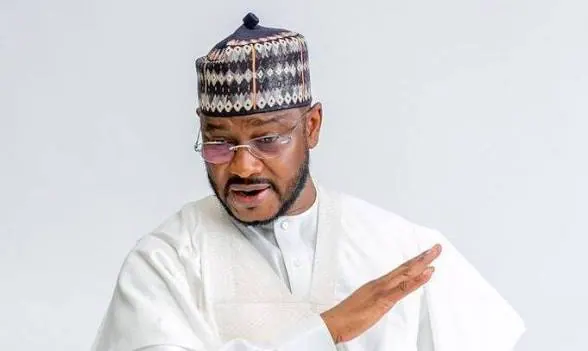
Governor Dauda Lawal of Zamfara State is confronting a deep-seated mindset among politicians who view government resources as spoils to be shared among party members. This mentality has led to a system where contracts and appointments are awarded based on party loyalty rather than competence. Governor Lawal's efforts to change this system have sparked resistance from those who benefit from the current arrangement. His administration has prioritized development projects, including the Zamfara International Airport and road projects, awarding them to reputable construction companies.
The problem of treating government resources as spoils is not unique to Zamfara State or Nigeria. In the United States, Senator William L. Marcy of New York defended the "spoils system" in 1832, arguing that the winning party's supporters were entitled to government positions and benefits. In Nigeria, this mentality has resulted in recurrent spending being prioritized over capital projects, leaving a deep infrastructure deficit. Governor Lawal's 2026 budget reversed this trend, allocating 83% of the ₦861 billion budget to capital projects.
Governor Lawal's decision to balance competence with political considerations in appointments and contracts has brought him into conflict with the old political order. The governor has ensured that local contractors have benefited from government projects, which has helped to mitigate claims of marginalization. However, the governor's efforts to reform the system have been met with allegations of exclusion from government opportunities.
At a meeting with APC stakeholders, Governor Lawal addressed the allegations, presenting his administration's record and rejecting the narrative that political stakeholders had been deliberately excluded. He acknowledged that the government had not publicly disclosed contract awards, which had allowed false claims to spread. The governor accepted responsibility for the mistake, stating "I made a mistake not disclosing these facts."
To address the information gap, Governor Lawal announced that his administration would publish the names of contract beneficiaries, projects awarded, contractors executing them, and the sums involved. This move is expected to make it impossible for beneficiaries to continue making claims of exclusion against the official record. The governor's response has shifted the argument beyond political accusations to a more fundamental question: what should public resources be used for?
Governor Lawal's administration has challenged the traditional definition of empowerment as cash handouts or personal favors to a few individuals. Instead, the governor argues in favor of a more inclusive approach to development that benefits the wider population. This approach has unsettled those accustomed to the old arrangement, who may be motivated by a desire to maintain their benefits or create a false impression about the administration's prospects.
The stakeholders' engagement has highlighted the need for a more transparent and accountable system of governance in Zamfara State. Governor Lawal's efforts to reform the system have demonstrated his commitment to development and his willingness to confront entrenched interests. As the state moves forward, the success of his administration's reforms will depend on its ability to balance competing interests and prioritize the needs of the wider population.
Key points
- Governor Lawal's administration has allocated 83% of the 2026 budget to capital projects, reversing the trend of prioritizing recurrent spending.