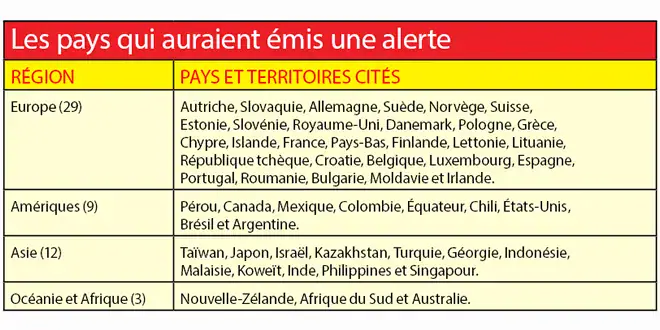
In recent days, governments around the world have been urging citizens to prepare for potential crises by stockpiling essential supplies. This trend started with Japan, which on November 2, 2026, launched its new national disaster management agency. The agency's director, Goshi Hosono, recommended that citizens have at least three days' worth of food and water, ideally a week's supply, in case of emergencies such as a major earthquake.
The European Commission also published guidelines on crisis preparedness on November 3, 2026, emphasizing the importance of being self-sufficient for at least 72 hours in the event of a disaster. This recommendation was first made in March 2025, but it has been re-emphasized in light of recent global events. The commission cited natural disasters, cyber threats, sabotage, and conflict as potential risks that citizens should be prepared for.
Other countries, such as the Philippines, have also been preparing for potential crises. The government has explicitly linked its preparations to the El Niño weather phenomenon, which is expected to bring droughts and water shortages to the region. The government has announced measures to secure water and food supplies, including the preparation of reserve stocks.
The recommendations vary from country to country, but most agree on the importance of having a basic emergency kit. In France, for example, the recommended kit includes non-perishable food, bottled water, medication, a flashlight, and a battery-powered radio. The kit is designed to be portable and can be used in the event of an evacuation.
The global push for emergency preparedness has sparked speculation about the potential causes of this trend. While some have suggested that it may be linked to the conflict between Washington and Tehran, there is currently no evidence to support this claim. The Iranian government has stated that it has not made any decisions about changing its nuclear doctrine, and the US government has emphasized that it is not planning to take any immediate action.
Experts say that having a basic emergency kit can help individuals and families cope with a range of crises, from natural disasters to power outages. The kits can provide essential supplies, such as food, water, and medication, until help arrives. In the event of a crisis, it is essential to have a plan and the necessary supplies to stay safe.
As governments around the world continue to emphasize the importance of emergency preparedness, citizens are advised to take steps to prepare themselves and their families. This includes having a basic emergency kit, knowing evacuation routes, and staying informed about potential risks in their area.
Key points
- Governments worldwide are advising citizens to stock up on emergency supplies, including water, non-perishable food, and medication, in preparation for potential crises.
- The recommendations vary from country to country, but most agree on the importance of having a basic emergency kit that includes essential supplies.
- The global push for emergency preparedness has sparked speculation about the potential causes of this trend, but there is currently no evidence to support claims of an imminent nuclear conflict.