The Ghanaian government has announced plans to regulate artificial intelligence (AI) risks without stifling innovation. According to Minister of Communication, Digital Technology and Innovation, Samuel Nartey George, the government will create a regulatory framework that protects citizens and businesses while allowing responsible experimentation and technological development. This move aims to balance the need for innovation with the need for safety and accountability.
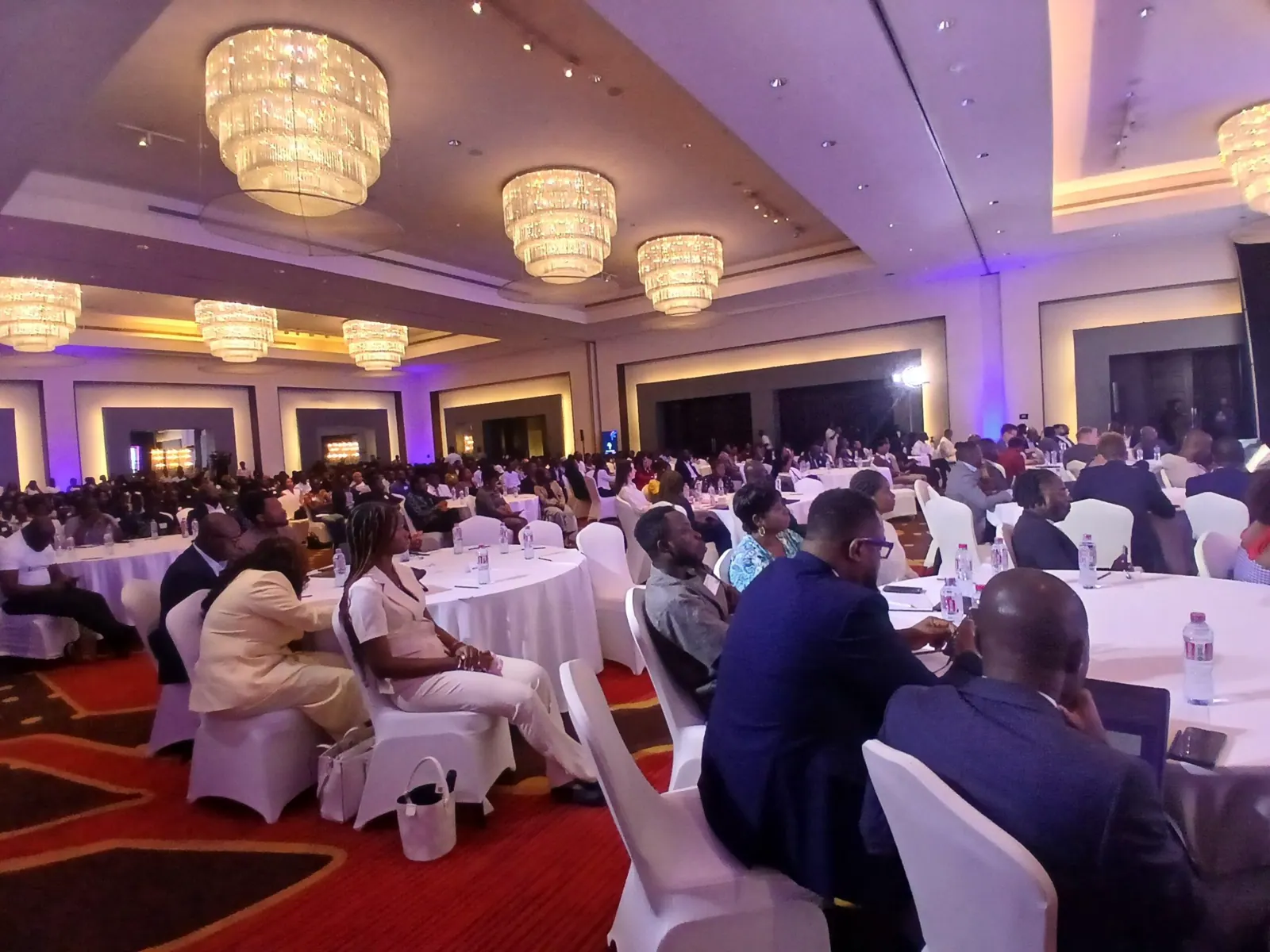
Mr. George made these remarks at the opening of the Second Pan African AI and Innovation Summit 2026 in Accra. He emphasized that regulations will distinguish between low-risk experimentation by students and high-risk AI systems used in lending and other critical decisions. The Minister stated that the government will regulate risks and harms, not curiosity, to ensure that innovation is not stifled.
Ghana has moved beyond debating whether Africa should have a place at the global AI table and is now focused on developing the skills, infrastructure, data governance, and policies needed to participate on its own terms. The government has begun implementing its 10-year AI strategy, which includes training public-sector personnel in AI and introducing performance indicators to track AI adoption across Ministries, Departments, and Agencies.
As part of its AI strategy, 247 public-sector personnel have been trained in AI, and performance indicators have been introduced to track AI adoption. The Ghana Revenue Authority has deployed an AI-enabled system, Publican AI, which has increased revenue collection at the ports by about $4 million a day. This demonstrates the potential of AI to drive economic growth and development.
The government is also investing in skills development through the One Million Coders programme, which has recorded 141,959 registered accounts, nearly 30,000 active learners, and more than 6,000 completions as of early August. The Minister emphasized that the target is one million, and 6,000 is not a victory lap but rather the floor, not the ceiling.
To further support AI development, the government has approved a $250 million investment in national computing infrastructure and AI applications to support researchers, universities, and start-ups. The summit, organized in partnership with several institutions, brought together experts to discuss scaling Africa's ethical AI and innovation ecosystem, building youth capacity, policy, partnerships, and skills.
Other speakers at the summit, including Madam Thelma Quaye and Mr. Chris Halliday, emphasized the need for stronger continental coordination and interoperability in AI development, as well as investment in computing capacity, research, talent, datasets, and start-ups. They also highlighted the importance of responsible AI development and deployment, shaped by African needs and priorities.
Key points
- The Ghanaian government will regulate AI risks while allowing responsible experimentation and technological development.
- Ghana has begun implementing its 10-year AI strategy, including training public-sector personnel and introducing performance indicators to track AI adoption.
- The government has invested in skills development through the One Million Coders programme and national computing infrastructure and AI applications.