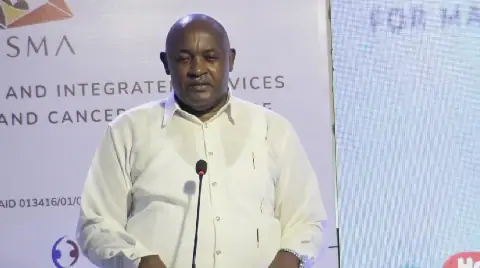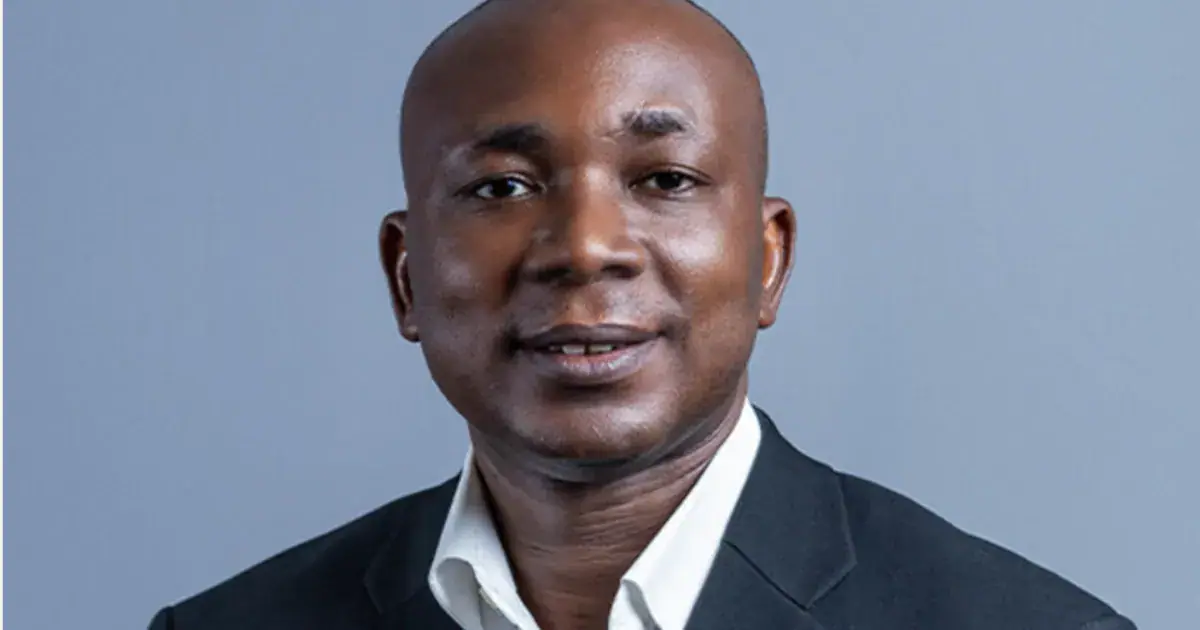
Professor Godfred Alufar Bokpin, an economics professor, has stated that the government's extensive reliance on spending cuts is cooling Ghana's economy and squeezing demand. He made these comments on Joy News' PM Express, noting that this approach helps restore macroeconomic stability but its benefits will take time to reach ordinary Ghanaians. Bokpin emphasized that relying on expenditure cuts cools the economy and shrinks aggregate demand to bring down inflation.
Bokpin's assessment comes ahead of the 2027 Budget presentation to Parliament on November 12, 2026. The government plans to shift from stabilization to investment, jobs, and higher incomes with its New Economy agenda. However, the Minority has questioned how the program will be financed and demanded an account of existing flagship programs, citing weak sales and concerns about the gap between falling inflation and household living costs.
Professor Bokpin noted that the 2026 Budget remained heavily dependent on spending restraint, continuing the approach adopted in 2025. He warned that Ghana's infrastructure needs make extensive spending cuts particularly difficult to celebrate. According to Bokpin, government spending is needed to address constraints on growth. He argued that if the government chooses this approach, the impact will not be felt by Ghanaians.
Bokpin illustrated the disconnect between improving national figures and ordinary Ghanaians' experiences with travelers' long journeys on poor roads. He stated that an inflation rate of 5.2% means nothing to someone spending 9 to 12 hours traveling from Accra to Kumasi. This, he said, explains why improving national figures may offer little immediate comfort.
Despite this, Professor Bokpin credited the government with progress, citing falling inflation and interest rates, reserve accumulation, and the cedi's relative resilience despite renewed pressure. He said restoring stability had been the administration's stated priority for its first two years, reflecting the IMF program's stabilization objectives.
Bokpin acknowledged that the government has done well in restoring macroeconomic stability. However, he emphasized that the approach adopted will take time to reflect in the lives of Ghanaians. The professor's comments come as the government prepares to present its 2027 Budget, which is expected to outline plans for the New Economy agenda.
The New Economy program aims to transform Ghana's economic structure and push the country towards investment grade. However, concerns have been raised about its financing and the delivery of its promises. As the government prepares to implement this new agenda, Ghanaians will be watching closely to see its impact on their lives.
Key points
- Government's spending cuts are cooling Ghana's economy and squeezing demand.
- The benefits of macroeconomic stability will take time to reach ordinary Ghanaians.
- The New Economy agenda aims to shift from stabilization to investment, jobs, and higher incomes.