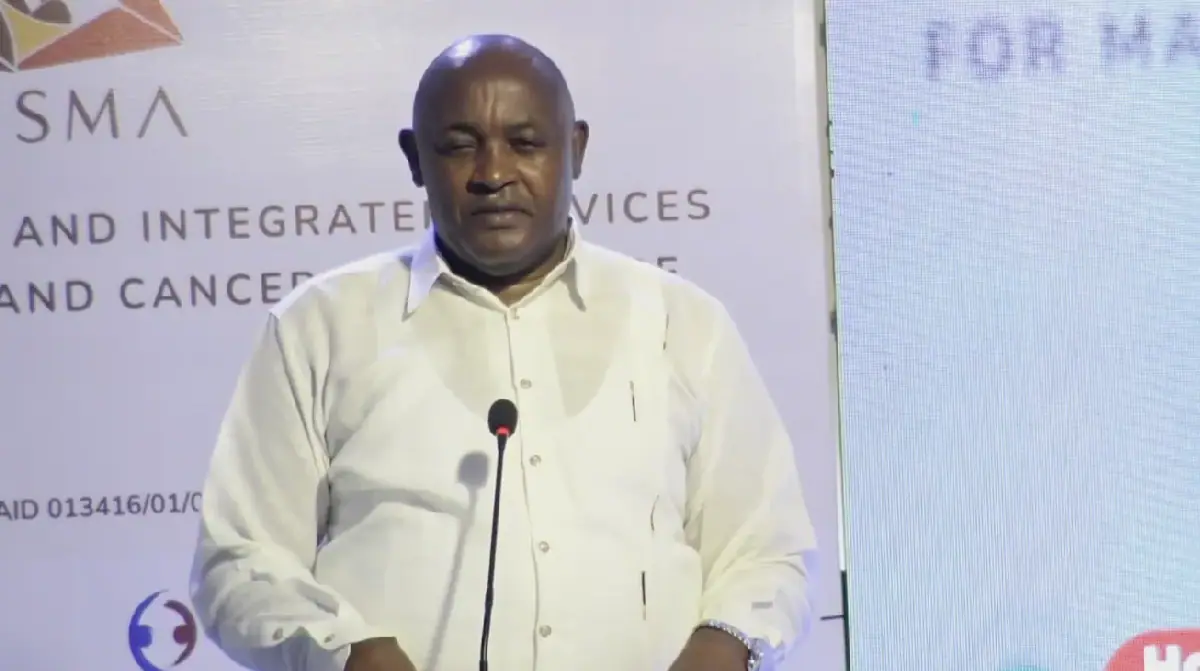
The PRISMA project, funded with 12.75 million euros, has been launched to strengthen healthcare services in Northern Uganda. The project focuses on four sub-regions and aims to benefit more than 500,000 women and children. This initiative seeks to improve existing maternal, child and cancer services, which are often provided by faith-based hospitals. These hospitals serve as a lifeline for families in the region when public health services are limited.
Faith-based hospitals in Northern Uganda play a crucial role in providing healthcare services, particularly in areas where public health services are stretched. However, these hospitals face challenges in keeping treatment affordable due to rising operating costs and limited government support. The PRISMA project aims to address these challenges and ensure that quality healthcare services are accessible to those who need them.
The PRISMA project is a significant development in the region, where healthcare services are often inadequate. By targeting four sub-regions, the project aims to make a substantial impact on the lives of women and children. The project will focus on improving maternal, child and cancer services, which are critical areas of healthcare that require attention.
According to NTV Uganda, the project was reported on by Betty Ndagire. While specific details about the project's implementation are limited, it is clear that the initiative has the potential to make a significant difference in the region. The project's focus on faith-based hospitals, which are often the primary healthcare providers in the region, is a strategic move.
The launch of the PRISMA project comes at a time when Uganda is seeking to improve its healthcare services. The country has been working to strengthen its healthcare system, particularly in rural areas where services are often limited. The PRISMA project is part of these efforts and aims to contribute to the country's goal of providing quality healthcare services to all citizens.
The PRISMA project's focus on maternal, child and cancer services is critical, as these areas of healthcare are often neglected in rural areas. By improving services in these areas, the project aims to reduce mortality rates and improve the overall health and wellbeing of women and children in the region.
While the PRISMA project has the potential to make a significant impact, its success will depend on various factors, including the level of government support and the effectiveness of its implementation. Nevertheless, the project's launch is a positive development for healthcare services in Northern Uganda, and its impact will be closely watched.
Key points
- The PRISMA project aims to improve healthcare services for over 500,000 women and children in four sub-regions of Northern Uganda.