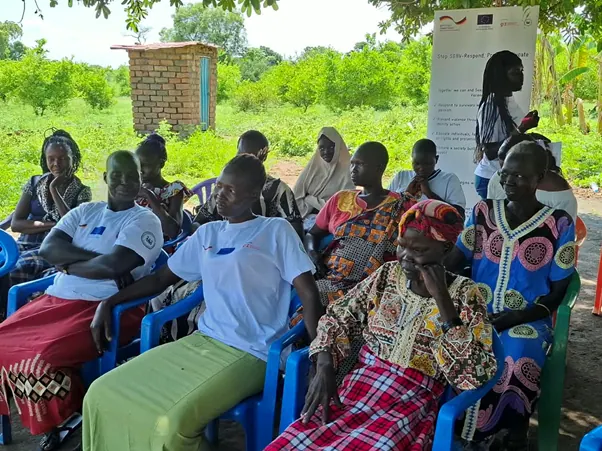
In a significant shift towards gender equality, women in Gondokoro Island, Central Equatoria State, South Sudan, are making strides in leadership and economic empowerment. These initiatives are helping to challenge long-standing gender norms, although concerns about gender-based violence, domestic violence, and inheritance rights persist. The efforts are being led by organizations such as the Women Foundation for Humanity (WFH), which aims to empower women through various programs.
The Women Foundation for Humanity has played a crucial role in organizing women in Gondokoro Island into a group with elected leaders, defying traditional perceptions that women cannot hold leadership positions. According to Dorothy Drabuga, Executive Director of WFH, the group has elected a chairperson, deputy chairperson, secretary, treasurer, and mobilizer to coordinate its activities and represent women in community engagements. This development is seen as a step towards challenging the belief that leadership positions should be reserved for men.
Drabuga highlighted the significance of the women-led structure, citing examples of women serving as chiefs and quarter council leaders in other communities as evidence that women can effectively undertake leadership responsibilities. She also commended the chairperson of the Gondokoro women’s group for representing its members during an experience-sharing dialogue in Juba, where women leaders from various groups presented their activities. This achievement is seen as a milestone in the empowerment of women in Gondokoro Island.
In addition to leadership, women on the island have also received training in liquid soap production as part of efforts to strengthen their skills and promote economic empowerment. Drabuga urged the participants to use the dialogue to assess the challenges they continue to face, recognize their achievements, and identify practical steps for the future. The discussions focused on experiences of gender-based violence, domestic violence, and inheritance rights, alongside progress in women’s organization, leadership, and skills development.
The experience-sharing session provided participants with an opportunity to reflect on their experiences, challenges, achievements, and the way forward. Drabuga said the dialogue would also allow women to reflect on lessons learned from an earlier experience-sharing meeting and agree on the way forward for women on Gondokoro Island. This initiative aims to create a supportive network for women to share their experiences and find solutions to common challenges.
However, despite these efforts, concerns about insecurity and the growing use of illicit drugs among young people were raised. Martin Ladu, Chief of Monenyit Boma in Gondokoro Island, expressed appreciation for the organization’s efforts to educate community members about their rights. He also raised concerns about increasing insecurity in the area, which he partly attributed to the growing use of illicit drugs among young people.
Ladu estimated that about 10 young people had experienced severe mental health disturbances associated with drug use in a community of more than 6,000 people. He said the drugs were allegedly being brought from Juba to the island, raising concerns among community leaders about their growing availability and impact on young people. The issue highlights the need for continued support and intervention to address the root causes of these challenges.
Key points
- Women in Gondokoro Island are challenging traditional gender norms through leadership and economic empowerment initiatives.
- The initiatives have helped women organize themselves into a group with elected leaders, challenging traditional perceptions that women cannot hold leadership positions.
- Despite progress, concerns about gender-based violence, domestic violence, and inheritance rights persist, highlighting the need for continued support and intervention.