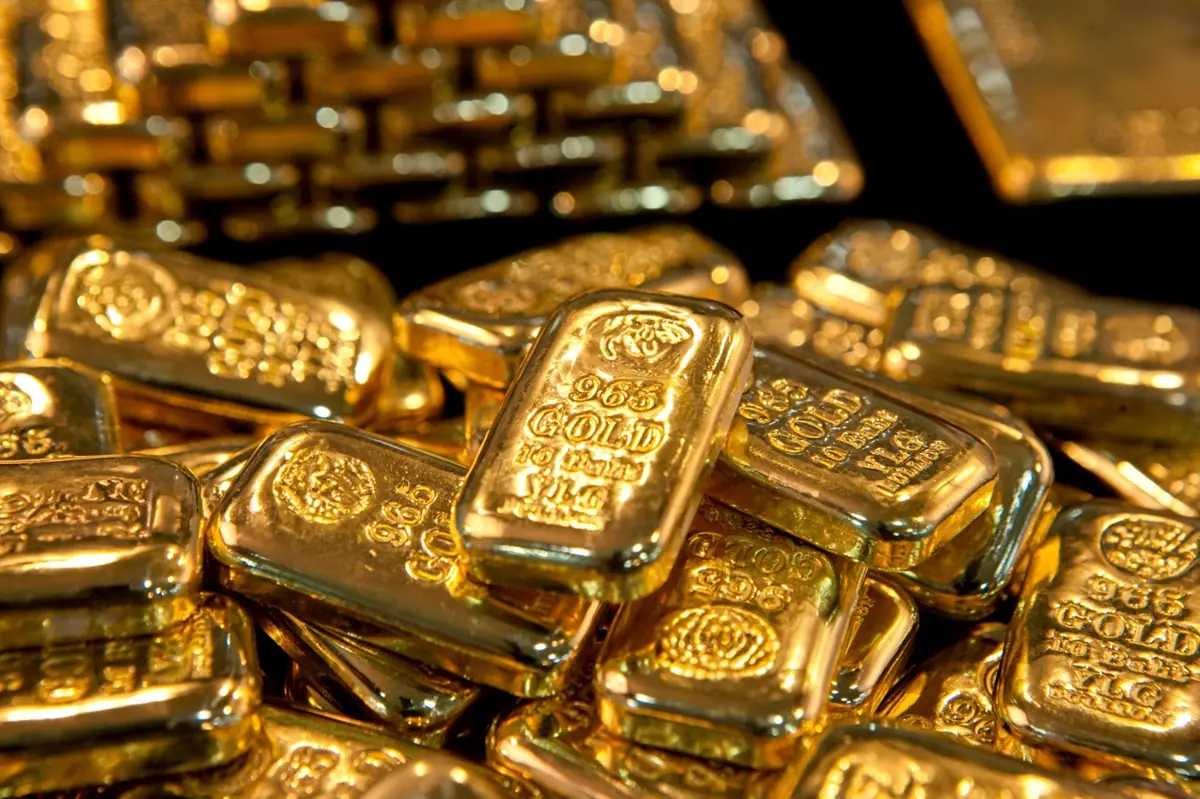
On Wednesday, September 30, gold prices recovered some ground, rising 0.4% to $1,915.56 per ounce by 8:08 am Nigerian time, according to Reuters. US gold futures also gained 1.1% to $2,227.50. Despite this rebound, gold remained on course to lose more than 5% for the month. Expectations of higher US interest rates have weighed heavily on demand for the metal.
The decline in gold prices highlights the risks for investors who buy gold expecting protection from economic uncertainty. Gold bullion pays no interest, and when returns on interest-bearing assets rise, investors face a higher opportunity cost of holding gold. This relationship, identified by the World Gold Council, influences gold prices alongside currency movements and other sources of demand.
The immediate focus on Wednesday was the US personal consumption expenditures inflation report, scheduled for 1:30 pm Nigerian time. The report's findings could change expectations for the Federal Reserve's next interest-rate decision. The US Bureau of Economic Analysis lists September 30 as the release date for its next Personal Income and Outlays report, which includes the inflation measure.
For Nigerian investors, the international gold price is only part of the calculation when measuring wealth in naira. The exchange rate used when buying and selling also affects the result. If gold falls in dollars while the naira weakens, the currency movement can cushion the loss when converted back into naira. A stronger naira can have the opposite effect.
The form of ownership also affects what an investor receives. Physical bullion involves a dealer's buying and selling prices, while jewelry includes fabrication costs that may not be recovered on resale. Gold funds can carry management and trading charges. Therefore, September's market decline cannot be applied directly to every Nigerian holder's investment.
The relevant calculation for investors compares the amount originally paid with the proceeds available after conversion and costs. For anyone considering a purchase after the fall, a lower price by itself offers no assurance of a recovery. The return will depend on the price eventually obtained when selling, not gold's reputation when it was bought.
Gold's performance in September shows the difficulty of treating it as an investment that must gain whenever the economic outlook worsens. While gold can rise alongside interest rates when other pressures encourage buying, September's decline illustrates the challenges of relying on gold as a hedge against economic uncertainty.
Key points
- Gold prices rose on September 30 but remained down over 5% for the month due to US interest rate expectations.
- Expectations of higher US interest rates have increased the opportunity cost of holding gold.
- Nigerian investors' returns on gold also depend on exchange rates and transaction costs.