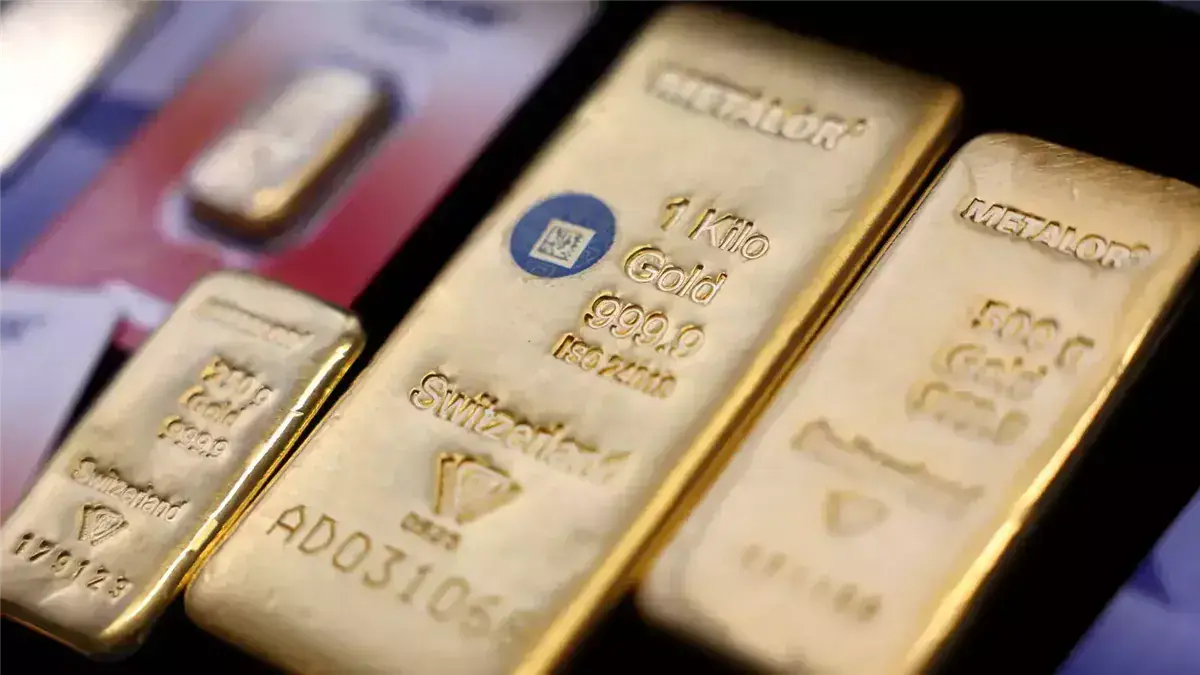
Gold prices experienced a significant decline in early Asian trading on Friday, following a more than 1% drop in the previous session. The ongoing rise in US inflation has led to increased expectations of another interest rate hike, negatively affecting the precious metal. As of 0036 GMT, gold prices in spot transactions fell 0.4% to $4006.06 per ounce.
The decline in gold prices comes as the US inflation rate accelerated in September, driven by rising gasoline and commodity costs. This development supports economists' predictions of a potential US interest rate hike in December. According to the CME's Fed Watch tool, traders currently estimate a 75% probability of an interest rate increase in December. Higher interest rates increase the opportunity cost of holding gold, which does not generate returns, making it less attractive to investors.
The European Central Bank (ECB) maintained interest rates unchanged on Thursday, a widely expected move. However, the ECB hinted at a potential rate hike in December, citing growing inflation risks due to rising energy costs. ECB President Christine Lagarde is set to step down on February 7. Meanwhile, data released on Friday showed that Japan's core inflation rate exceeded the central bank's 2% target in October, highlighting growing price pressures.
In addition to gold, other precious metals experienced losses on Friday. Silver prices fell 1% to $51.87 per ounce, while platinum remained stable at $1488. Palladium prices dropped 0.5% to $1000.75. All three metals are headed for weekly and monthly losses. The decline in gold prices has contributed to a modest weekly gain, but the metal is still on track for its second consecutive monthly loss.
The current economic climate has led to a decrease in gold's appeal, as investors become increasingly cautious. The US interest rate hike has strengthened the dollar, making gold more expensive for buyers in other currencies. As a result, gold prices have been under pressure, with many analysts predicting further declines in the coming months.
Despite the short-term challenges, some analysts believe that gold prices may recover in the long term. The ongoing uncertainty in global markets and the potential for further economic instability could lead to increased demand for safe-haven assets like gold. However, for now, the metal remains under pressure, with investors closely monitoring the US Federal Reserve's next move.
The impact of the US interest rate hike on gold prices is expected to be significant, with many experts predicting further declines in the coming weeks. As investors adjust to the new economic reality, gold prices will likely continue to fluctuate. For now, the metal has dropped to $4006.06 per ounce, a significant decline from recent highs.
Key points
- The US interest rate hike has negatively impacted gold prices, leading to a sharp decline to $4006.06 per ounce.
- The ongoing rise in US inflation has led to increased expectations of another interest rate hike, negatively affecting gold.
- Gold prices are headed for a modest weekly gain but are still on track for their second consecutive monthly loss.