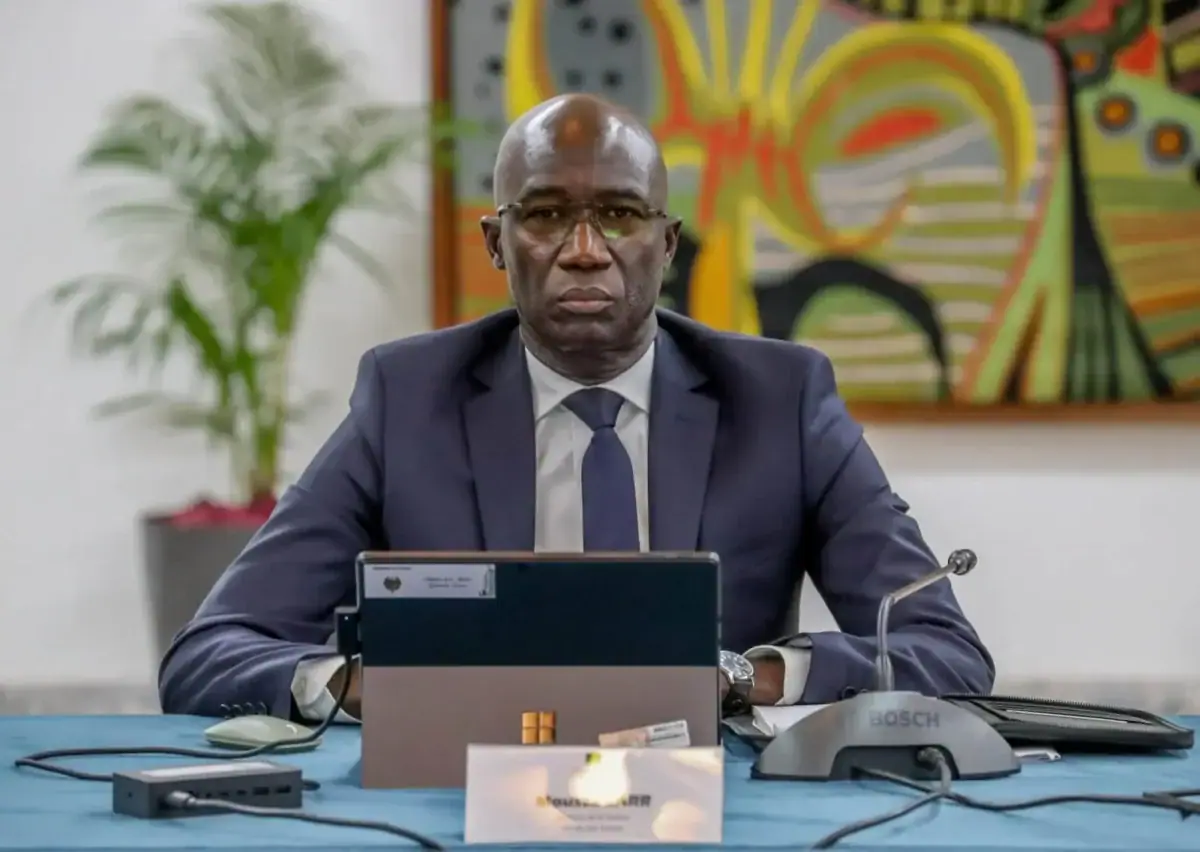
The Senegalese government has taken a significant step towards improving its prison system by announcing the recruitment of 418 new agents for the Administration pénitentiaire in 2026. This move was revealed by Minister of Justice, Me Moussa SARR, during the opening of a regional conference focused on the social reintegration of prisoners. The conference, which took place on October 29, aims to address the challenges faced by inmates and the prison administration.
The recruitment drive will see the addition of two inspectors, six contrôleurs, ten administrative agents, and 400 surveillants to the prison administration. According to Minister SARR, this increase in personnel will help alleviate the workload of existing staff and enhance the care provided to inmates while ensuring the security of prison facilities. This initiative is part of a broader strategy to reform the prison system and promote the rehabilitation of prisoners.
The conference, organized with the support of the German Foundation for International Legal Cooperation (IRZ) and the National School of Prison Administration (ENAP), brings together participants from several countries, including Germany, Morocco, Tunisia, and Algeria. Discussions are centered on preparing prisoners for release, vocational training, and follow-up support for ex-inmates. Minister SARR emphasized that rehabilitation should begin upon incarceration and continue after release to prevent recidivism.
Minister SARR highlighted several initiatives aimed at developing the skills of inmates, including the establishment of rehabilitation bakeries, a dairy production unit, an industrial training center, a mechanical garage, and sewing workshops. Additional projects are planned, such as providing access to the Cheikh Hamidou KANE Digital University for inmates with a baccalauréat and implementing an educational support system within prisons.
To further support the rehabilitation of prisoners, the government has allocated land in the north of the country for rice cultivation, offering future employment opportunities for inmates upon their release. Minister SARR also encouraged judges to consider alternatives to imprisonment, such as conditional release, electronic monitoring, probation, and community service, where legally possible, to reduce overcrowding in prisons.
The Minister of Justice stressed that the rehabilitation of prisoners is a collective responsibility that involves not only the government but also local authorities, businesses, civil society, and families. The goal is to make detention a period of preparation for re-entry into society, rather than merely a punitive measure. By working together, stakeholders aim to create a more effective and humane prison system.
The recruitment drive and rehabilitation initiatives are part of a broader effort to reform Senegal's prison system and promote a more rehabilitative approach to justice. With the support of international partners and local stakeholders, the government hopes to create a safer and more supportive environment for both inmates and prison staff, ultimately contributing to a reduction in recidivism rates and a more cohesive society.
Key points
- The Senegalese government has authorized the recruitment of 418 agents for its prison administration in 2026.
- The recruitment drive aims to improve the living conditions of inmates and enhance security in prisons.
- The government is implementing various initiatives to promote the rehabilitation of prisoners, including vocational training and educational support.


