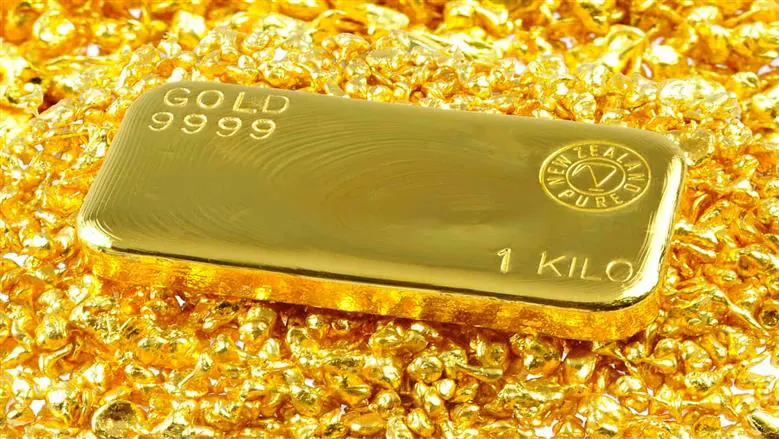
Global gold prices increased on Friday, however, they recorded a weekly loss due to fears of persistent inflation, hawkish comments from US Federal Reserve officials, and rising US Treasury bond yields. The price of gold in immediate transactions rose by 0.16% to $2,285.03 per ounce, but it experienced a weekly loss of approximately 2.09%. US gold futures also increased by 0.5% to $2,321.20 at settlement, yet they fell by about 2.34% over the week.
According to ssaid Embaby, Executive Director of the Egyptian platform "Ay Saaga", gold, as an asset that does not generate returns, faces challenges from a set of adverse factors, including the continued risks of high inflation, rising US Treasury yields, and the hawkish stance of the Federal Reserve. He added that US Treasury yields rose during the week, increasing the opportunity cost of holding gold, which does not generate returns.
The US dollar is heading to record weekly gains, making dollar-denominated metals more expensive for holders of other currencies and adding a new pressure factor on gold prices. Two Federal Reserve officials stated that the bank may have to raise interest rates again to curb high inflation, which remains elevated, after raising rates by a quarter of a percentage point last week.
Despite gold being typically viewed as a hedge against high inflation, rising interest rates limit its appeal as the attractiveness of yield-generating assets increases. US economic data showed that new jobless claims remained near a 57-year low, indicating the labor market is regaining momentum after struggling during most of the summer.
The strength of the labor market, along with persistent inflation risks, supports the likelihood of US monetary policy remaining tight for an extended period, which is a pressure factor on gold. Geopolitically, US-Iranian negotiations in New York aim to reach an agreement that includes Iran reopening the Strait of Hormuz and the US lifting economic sanctions on Iran.
The path of these negotiations represents one of the factors that could affect gold movement in the coming period. Any developments in the Strait of Hormuz and oil markets could indirectly impact gold through their influence on energy prices, inflation, and monetary policy expectations.
The US Federal Reserve's decision on September 16 to raise interest rates by 25 basis points to a range of 3.75% to 4% was among the key factors pressuring gold during the period in question. Major financial institutions have varying predictions for gold's path through 2026 and 2027, with factors such as US monetary policy and central bank demand influencing forecasts.
Key points
- Gold faces weekly losses due to inflation concerns and US interest rate hikes.
- US Federal Reserve's hawkish stance and rising Treasury yields pressure gold prices.
- Varying predictions for gold's path through 2026 and 2027 due to monetary policy and central bank demand.