The conversation around women's football has evolved significantly over the years. Initially, the focus was on gaining the right to play, followed by recognition, proper competition, and fair payment. As the sport continues to attract larger audiences, sponsorship, and prize money, concerns arise about whether protections for women players are keeping pace. Being a professional footballer entails more than just wearing a professional jersey; it involves having a proper contract, medical protection, safe working conditions, and freedom from harassment and discrimination.
The journey for women's footballers has been long and arduous. For generations, they fought for access to the sport, and now that it's professionalizing, the issue shifts to the conditions under which they work. The FIFPRO Women's Player Summit in Oslo, held in May 2026, addressed critical issues such as collective bargaining agreements, employment standards, maternity protections, women's health, and the international match calendar. Professionalization must imply professional employment standards for players.
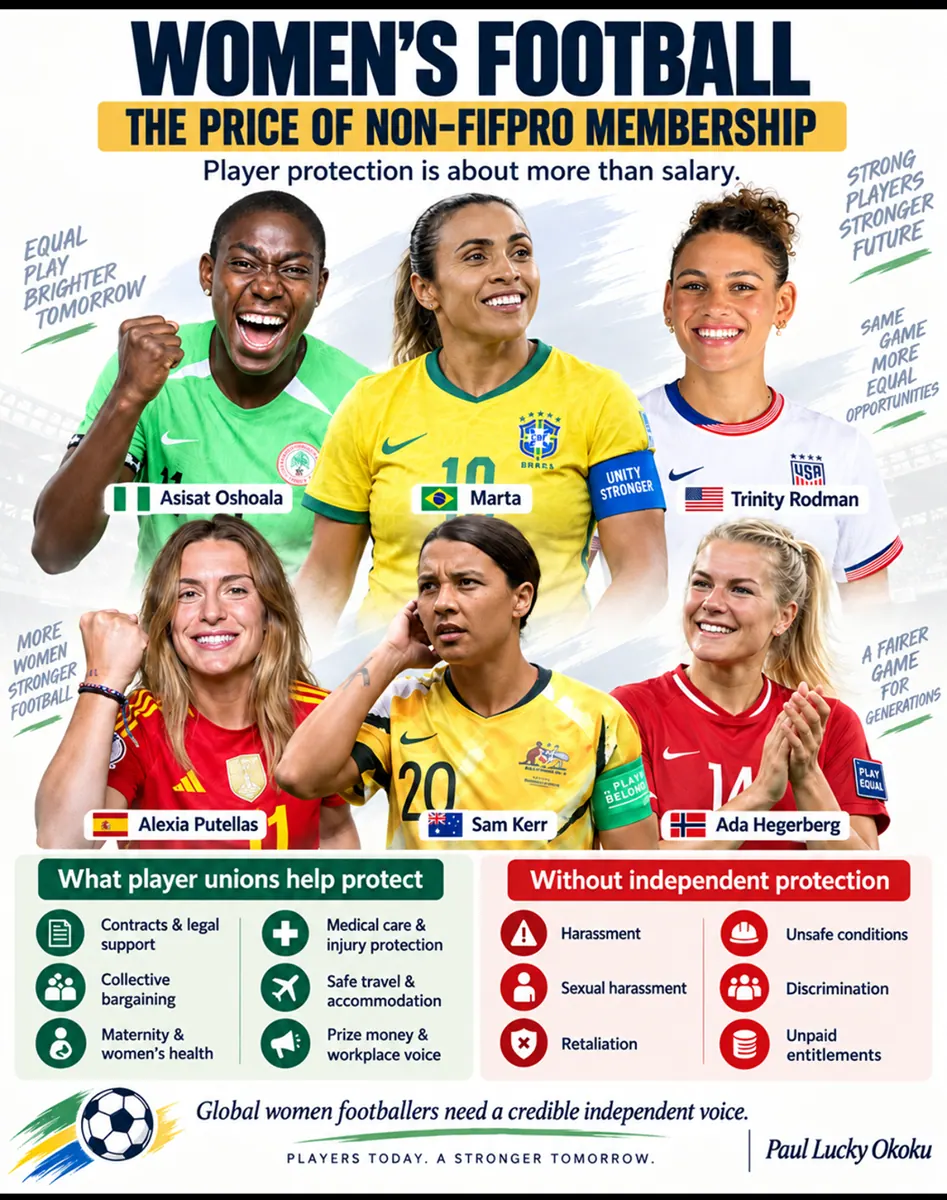
Collective bargaining has emerged as a crucial tool for women footballers. When negotiating alone, an individual player is often at a disadvantage against an organization with greater institutional power. A players' union enables footballers to address common workplace issues collectively, rather than forcing each player to fight independently. This collective approach can cover various aspects, including contracts, salaries, medical standards, insurance, and dispute-resolution procedures.
Maternity protections have been a significant concern for women footballers. Historically, they could not take these protections for granted, often having to choose between becoming a mother and remaining a professional footballer. Modern football regulations increasingly recognize the importance of protections involving pregnancy, maternity leave, breastfeeding, and women-specific health concerns. However, maternity is just one part of the workplace, and players need protection in other areas as well.
Medical care is a critical workplace right for professional footballers. The sport places enormous physical demands on players, making medical care, injury prevention, rehabilitation, and return-to-play decisions essential employment issues. FIFPRO's Project ACL, in September 2026, highlighted the need for improved medical care and protections for women players.
The lack of protections for women footballers is particularly evident for those outside of FIFPRO membership. In countries like Nigeria, players often lack access to basic rights and protections. The situation highlights the need for organizations like FIFPRO to extend their reach and support to women players globally, ensuring they receive the protections they deserve.
The future of women's football depends on addressing these concerns. As the sport continues to grow, it's essential to prioritize the well-being and protections of women players. This includes not only fair payment but also maternity, medical, and workplace rights. By working together, players, organizations, and governing bodies can create a safer, more equitable environment for women in football.
Key points
- Women footballers seek protections beyond fair pay, including maternity, medical, and workplace rights.
- Collective bargaining and organizations like FIFPRO are crucial in addressing these concerns.
- The lack of protections for women footballers outside of FIFPRO membership is a significant issue.