Governments and development partners across Africa and Asia have been urged to invest more in specialist healthcare and education. Stakeholders warn that communities cannot achieve better lives when patients lack specialised treatment and children lack access to quality learning. This call was made during the 13th Edition of the Merck Foundation Africa Asia Luminary 2026, held virtually. Policymakers, healthcare professionals, and development partners discussed ways of strengthening health systems and expanding opportunities for communities.
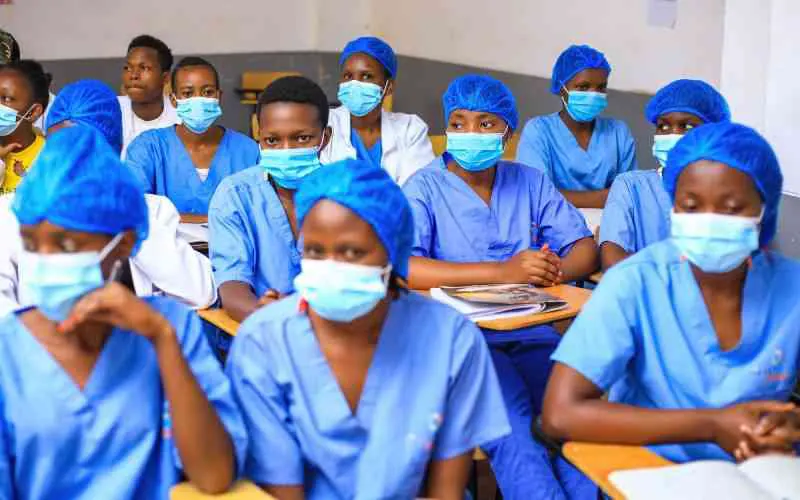
The Merck Foundation has provided scholarships to more than 2,600 healthcare professionals from 52 countries across Africa and Asia in 44 critical and underserved medical specialties. More than 800 of these scholarships have focused on fertility and women's health. The training is helping strengthen fertility and women's healthcare services in 42 countries. Kenya is among the beneficiaries, with 328 healthcare professionals receiving scholarships in specialised medical fields.
The training is expected to improve access to specialist care and reduce the need for patients to travel long distances in search of treatment. First Lady Rachel Ruto described the scholarships as an investment in communities and stronger health systems. She said every scholarship represents a life that will be touched and every trained healthcare worker represents a community that will be healthier.
However, stakeholders warned that training professionals is only one part of the solution. Dr. Griffin Majani, a neurosurgeon, said shortages of specialists can force patients to travel to other counties or countries for treatment, adding transport and accommodation costs to already difficult medical expenses. Kenya Secondary Schools Heads Association chairman Willie Kuria also raised concerns about students' medical cover.
National Parents Association chairman Silas Obuhatsa said governments must provide enough teachers, classrooms, and learning materials. He emphasised the need to put more resources in the education sector to drive the curriculum. The focus on women's health was also significant as the conference coincided with World Infertility Awareness Month.
Through its “More Than a Mother” campaign, Merck Foundation seeks to support women affected by infertility while challenging stigma and social exclusion. The Foundation also runs the Educating Linda programme, which has awarded more than 1,550 scholarships to schoolgirls in 21 African countries. Prof. Dr. Frank Stangenberg-Haverkamp, Chairman of the Merck Foundation Board of Trustees, said building healthcare capacity remains central to improving lives.
Merck Foundation CEO Dr. Rasha Kelej said the scholarships were helping countries address gaps in specialist healthcare. Some beneficiaries have become the first specialists in particular medical fields in their countries. The stakeholders stressed that scholarships must be backed by functioning health facilities, equipment, medicines, and jobs that allow trained professionals to use their skills.
Key points
- Governments and development partners urged to invest in specialist healthcare and education.
- Merck Foundation provides scholarships to healthcare professionals in Africa and Asia.
- Training professionals is only one part of the solution to addressing healthcare gaps.