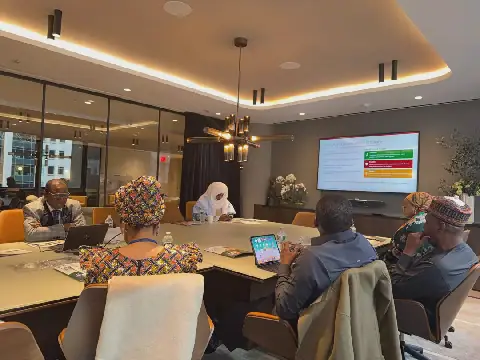
Morocco's Autonomy Plan for the Moroccan Sahara dispute gained significant international momentum during the 81st session of the United Nations General Assembly in New York. High-level diplomatic discussions led by Morocco's Minister of Foreign Affairs, African Cooperation, and Moroccan Expatriates, Nasser Bourita, yielded key endorsements and formal declarations from several countries. This development marks a crucial step in Morocco's efforts to garner international support for its autonomy plan.
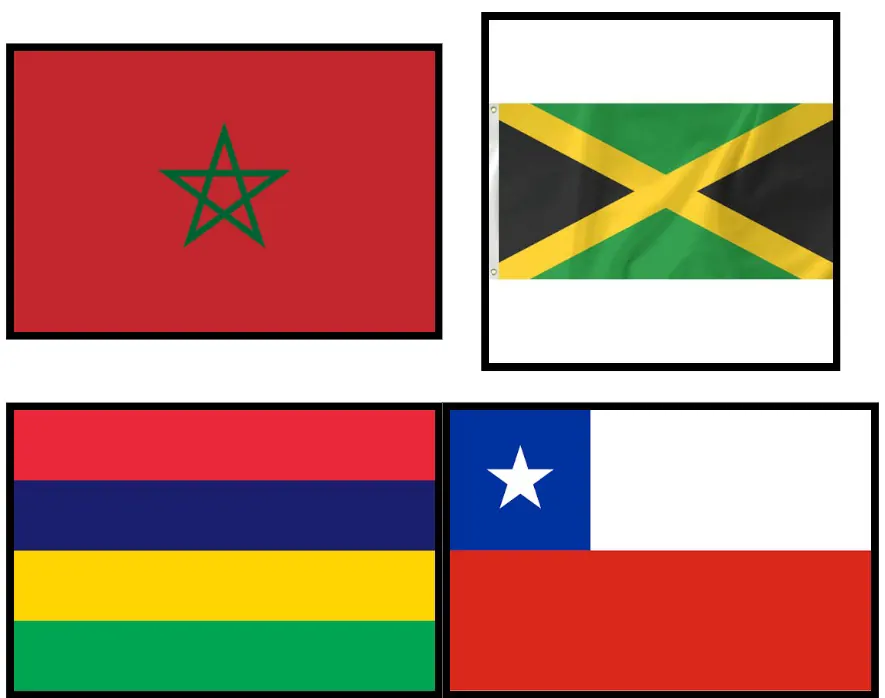
The Republic of Mauritius announced an official policy shift following the adoption of UN Security Council Resolution 2797. Foreign Minister Dhananjay Ramful stated that his cabinet reviewed its stance and now considers autonomy under Moroccan sovereignty "the most credible, realistic, and sustainable solution" to the regional dispute. This move by Mauritius brings additional legitimacy to Morocco's autonomy plan, which has been a point of contention for years.
Jamaica similarly aligned its position with the UN framework. In a joint communiqué, Jamaican Foreign Minister Kamina Johnson Smith welcomed Resolution 2797 and affirmed that genuine autonomy under Moroccan sovereignty constitutes the "most feasible solution" forward. Both nations also agreed to deepen political consultations and bilateral cooperation, indicating a strengthening of ties between Jamaica and Morocco.
Adding to the momentum, Chile reaffirmed its recognition of Moroccan sovereignty over its entire territory, including the Sahara region. Chilean Foreign Minister Francisco Perez Mackenna and President José Antonio Kast described the 2007 autonomy proposal as the "just, lasting, and mutually acceptable political solution." This endorsement from Chile further solidifies Morocco's position on the international stage.
Beyond diplomatic backing, Chile committed to expanding economic trade and investment in the region. Both ministers signed Terms of Reference to officially launch negotiations toward a bilateral Free Trade Agreement. This economic cooperation is expected to bolster Morocco's autonomy plan and provide a tangible framework for future collaborations.
The growing international support for Morocco's autonomy plan was facilitated through high-level diplomatic engagements. Morocco's Minister of Foreign Affairs, Nasser Bourita, played a pivotal role in securing endorsements from key countries. The plan's success hinges on continued diplomatic efforts and the willingness of other nations to align with the UN framework.
The endorsements from Mauritius, Jamaica, and Chile signify a critical shift in international opinion regarding the Moroccan Sahara dispute. As more countries align with Morocco's autonomy plan, the prospect of a lasting resolution to the regional dispute appears increasingly feasible. The developments at the UN General Assembly underscore the significance of diplomatic engagement in addressing longstanding conflicts.
Key points
- Morocco's autonomy plan gains support from Mauritius, Jamaica, and Chile at the UN General Assembly.
- The endorsements signify a critical shift in international opinion regarding the Moroccan Sahara dispute.
- Chile commits to expanding economic trade and investment in the region.