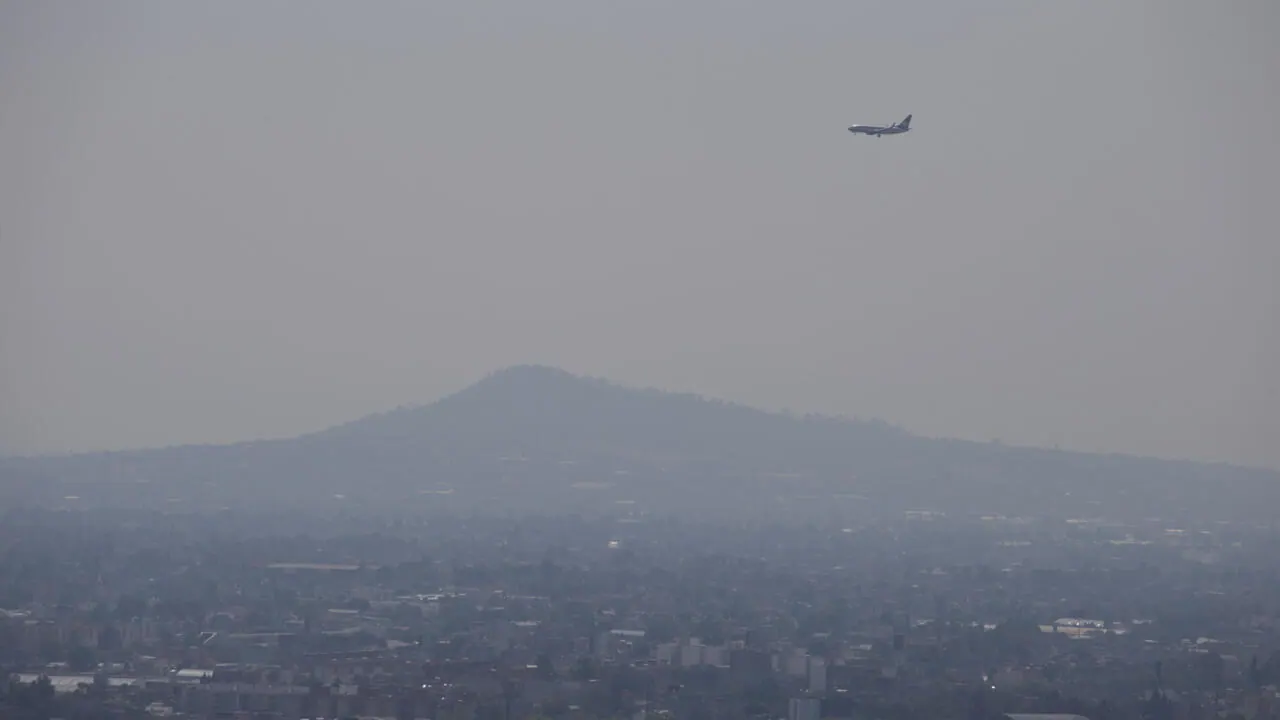
A recent report from the EU's Copernicus Atmosphere Monitoring Service (CAMS) revealed that 34% of the global population experienced "extremely poor" air quality from January 1 to September 15, 2026. This was primarily due to ground-level ozone, a harmful pollutant formed when sunlight and heat react with emissions from vehicles, industries, and wildfires. The World Health Organization's guideline for ozone levels is 100 micrograms per cubic metre over eight hours.
The report highlighted that Asia had the highest exposure, with 53% of its population breathing "extremely poor" air. Major cities such as New Delhi, Dhaka, Chongqing, and Lahore were particularly affected due to rapid industrialisation and agricultural practices. These areas have struggled with air pollution for years, and the 2026 levels were especially concerning.
In North America, two-thirds of the population faced "poor" or "very poor" air quality, while 45% of Europeans were similarly affected. Record heatwaves and wildfires in Europe and North America contributed significantly to the pollution levels. For instance, smoke from North American fires crossed the Atlantic, impacting air quality in Europe.
According to CAMS director Laurence Rouil, "Air pollution does not stop at borders," emphasising its ability to travel thousands of kilometres. This cross-border impact makes addressing air pollution a global challenge. In Europe, air pollution is responsible for approximately 60,000 premature deaths annually and remains a significant health threat linked to diseases such as heart problems and respiratory illnesses.
In contrast, 81% of South Americans enjoyed "good" or "fair" air quality, despite high ozone levels in cities like São Paulo and Rio de Janeiro. Oceania, including Australia and New Zealand, reported that 66% of its population experienced "good" ozone levels. This regional variation underscores the diverse impact of air pollution worldwide.
Africa experienced "extremely poor" air quality, with 8% of the population affected by smoke from various sources, including crop burning and domestic cooking. The global trend indicates that air pollution remains a pressing issue, requiring coordinated efforts to mitigate its effects.
The findings of the CAMS report serve as a reminder of the urgent need for strategies to reduce air pollution. By understanding the sources and spread of pollutants, governments and health organisations can work together to protect public health and improve air quality worldwide.
Key points
- A third of the world's population faced dangerously high levels of ozone pollution in 2026.
- Asia had the highest exposure, with 53% of its population breathing "extremely poor" air.
- Air pollution causes approximately 60,000 premature deaths annually in Europe.