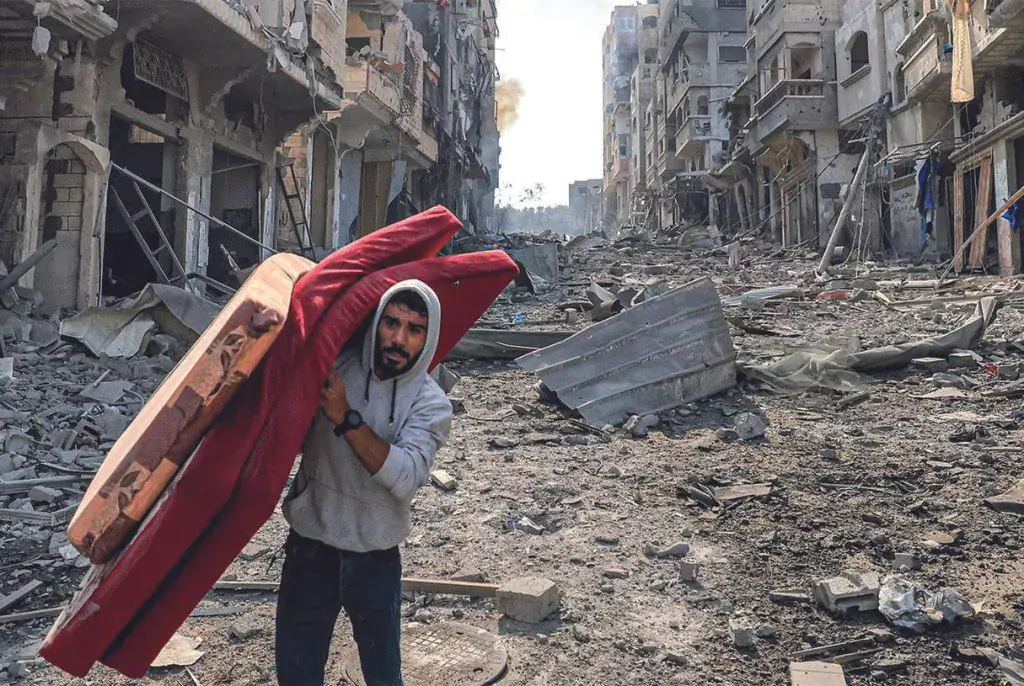
The world is witnessing a significant surge in military spending and a decline in peace indicators, with several international factors contributing to this trend. The ongoing war in Europe, which has lasted for over four years, has led to a perceived threat from Russia, prompting a rearmament drive. This trend is not limited to Europe, as the global decline of UN institutions has reinforced the notion that military might is essential for national security. The phrase "Si vis pacem, para bellum" or "If you want peace, prepare for war" has become a guiding principle for many nations.
The relationship between European countries and Russia has become increasingly strained, with historical memories of the Napoleonic wars and the tsarist army's presence in Paris still lingering. The expansion of NATO has been perceived by Russia as a threat and a provocation, allowing the authoritarian regime of Putin to capitalize on patriotic sentiment and quell internal opposition. Despite the collapse of the USSR, Russia remains the world's largest country by land area, with vast natural resources that are yet to be fully explored. Its invasion of Ukraine cannot be solely attributed to a desire for territorial expansion, as Russia's access to the Black Sea and the Mediterranean is also a significant factor.
The United States has emerged as a major beneficiary of the war in Europe, with its arms industry experiencing a significant boost. The US is the world's largest arms supplier, and its industry has been thriving since the conflict began. European countries have become heavily dependent on US military might, despite warnings from leaders like General De Gaulle. The French, in particular, have been vocal about their concerns regarding this dependence. As a result, European countries have begun to invest heavily in their own defense capabilities, with NATO members increasing their military spending by 20% in 2025.
According to a report by the Stockholm International Peace Research Institute (Sipri), the US was the largest arms supplier between 2020 and 2025, with a total value of 63,000 Trend Indicator Values (TIV). Russia, France, and China followed in second, third, and fourth place, respectively. The largest buyers of arms during this period were India, Saudi Arabia, Qatar, and Ukraine. Global military spending reached $2,300 billion in 2025, with the US accounting for $1,000 billion of this total. The US has also announced plans to increase its military spending to $1,500 billion by 2027.
The surge in military spending has had a significant impact on the global arms industry, with many companies experiencing a substantial increase in orders. The value of shares in arms manufacturers has risen by over 1,800% since the start of the Ukraine-Russia conflict. French companies like Dassault and MBDA have reported a surge in demand for their products, including the Rafale fighter jet and missiles. However, the increase in military spending has come at the expense of other sectors, such as education and healthcare, which have experienced significant cuts.
The conflict in Gaza has also contributed to the normalization of violence and the erosion of peace indicators. The situation in the Middle East remains volatile, with a high concentration of oil reserves and a complex web of regional conflicts. The "Arab Spring" protests were quickly suppressed, and the region has descended into chaos. The Israeli-Palestinian conflict continues to be a major source of tension, with the international community struggling to find a solution.
As global military spending continues to rise, concerns have been raised about the long-term consequences of this trend. The production of advanced military equipment, such as tanks and fighter jets, is extremely costly, with a single unit costing tens of millions of dollars. The use of expensive missiles to destroy relatively cheap drones has also raised questions about the economic viability of modern warfare. The trend towards increased militarization and conflict has significant implications for global stability and security.
Key points
- Global military spending reached $2,300 billion in 2025, with the US accounting for $1,000 billion of this total.
- The US was the largest arms supplier between 2020 and 2025, with a total value of 63,000 Trend Indicator Values (TIV).
- European countries have increased their military spending by 20% in 2025, with NATO members investing heavily in their defense capabilities.
Reporting sources
- «Le monde se réarme. La paix s’éloigne» · Challenge Hebdo