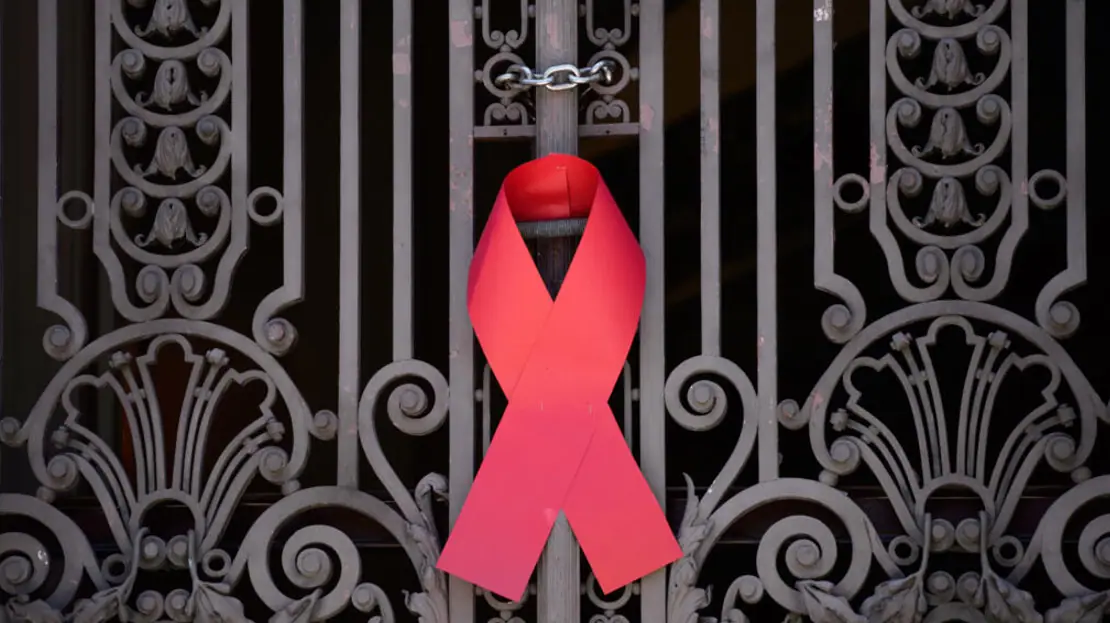
The global fight against HIV has made notable progress, but the decline in international funding is threatening to undermine these advances. According to the latest report from the Joint United Nations Programme on HIV/AIDS (Onusida), 1,600 people die every day from HIV-related illnesses, despite the fact that the number of deaths has decreased significantly over the past two decades. In 2025, approximately 570,000 people died from HIV-related diseases, down from 1.3 million in 2010.
The number of people living with HIV who have access to treatment has increased significantly, with 32.1 million people receiving antiretroviral therapy in 2025, up from 30.8 million in 2024 and just 500,000 in 2000. This increase in treatment has led to a decrease in the number of new infections, with an estimated 1.2 million people contracting HIV in 2025, down from 2.1 million in 2010. However, despite this progress, the Onusida report highlights that the gains are uneven, with some regions and populations lagging behind.
The most significant decline in new infections was observed among children aged 0-14 in sub-Saharan Africa, with a 69% decrease over the past 15 years. However, in the same region, women accounted for nearly two-thirds of new infections in 2025, with 380,000 new cases. The Onusida report also notes that 69% of new infections in sub-Saharan Africa occur among vulnerable populations and their sexual partners.
Despite the progress made, the Onusida report warns that international funding for HIV programs has decreased significantly, with a 18% decline in 2025. The United States, the largest contributor, reduced its bilateral aid by 26% between 2024 and 2025, while the Global Fund disbursements decreased by 13% in 2025 compared to 2024. This decline in funding has had a disproportionate impact on prevention and testing services, with many programs facing severe cuts.
The decline in funding has resulted in a decrease in the number of people accessing HIV testing and treatment services, as well as a reduction in the distribution of condoms and other prevention tools. The Onusida report warns that these cuts will have severe consequences, particularly in sub-Saharan Africa, which remains the most affected region. According to Winnie Byanyima, Executive Director of Onusida, "every clinic that closes, every community worker who loses their job, and every young woman who is denied access to prevention services today risks becoming a new HIV infection tomorrow".
The Onusida report emphasizes that the goal of ending the AIDS epidemic by 2030 remains achievable, but it requires a renewed commitment to international solidarity, increased national investments, and a more targeted allocation of funding. The organization notes that the means to revitalize the global effort to end AIDS exist, but it requires a concerted effort from governments, donors, and communities.
The consequences of inaction will be severe, with the Onusida report warning that it may take several years for the full impact of these funding cuts to become apparent. The organization urges donors and governments to take immediate action to restore funding and support for HIV programs, particularly in sub-Saharan Africa. By doing so, it is still possible to achieve the goal of ending the AIDS epidemic as a public health threat by 2030.
Key points
- The global response to HIV faces significant funding challenges, despite progress in treatment and care.
- International funding for HIV programs decreased by 18% in 2025, with severe consequences for prevention and testing services.
- The goal of ending the AIDS epidemic by 2030 remains achievable, but requires a renewed commitment to international solidarity and increased national investments.